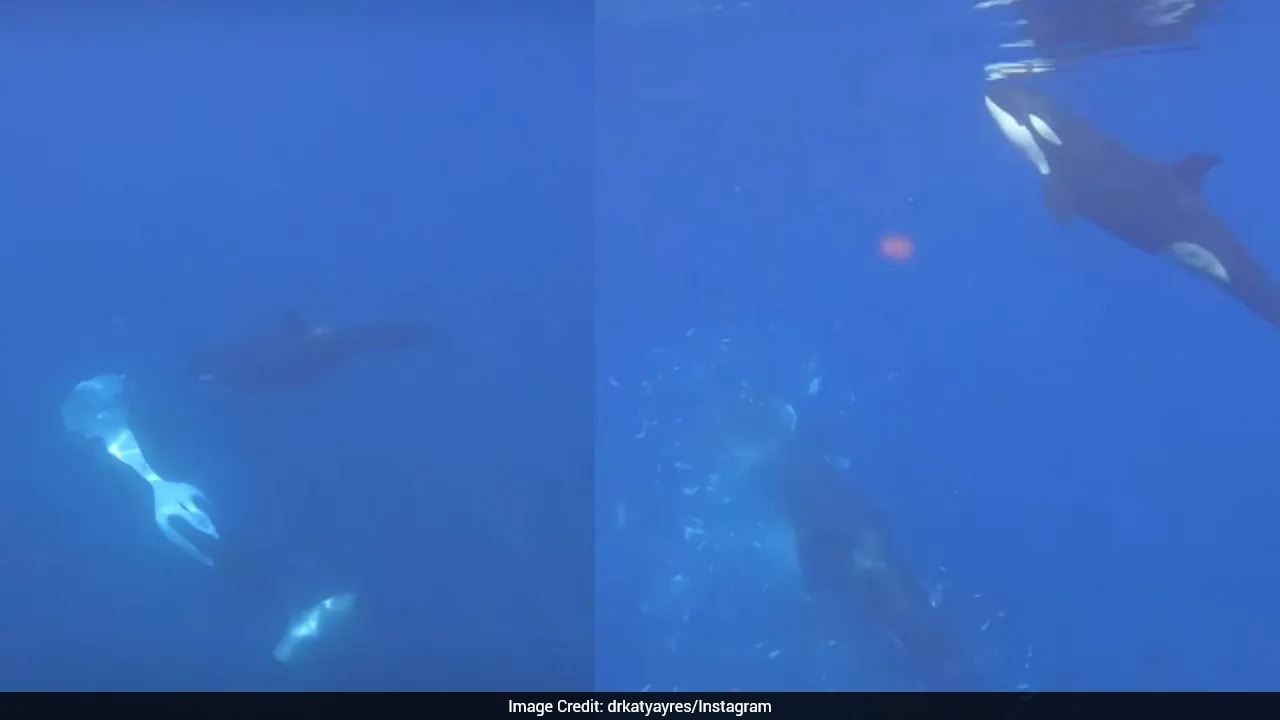
Marine biologists recently documented killer whales systematically shattering giant ocean sunfish off the coast of California. Far from random aggression, this high-impact predation showcases an escalating mechanical shift in apex predator hunting strategies. Orcas are not merely hunting for caloric survival; they are refining specialized kinetic techniques to bypass tough biological armor. By utilizing violent impact forces to rupture the thick, cartilaginous dermis of Mola mola, resident pods demonstrate a sophisticated grasp of fluid dynamics and impact physics that redefines our understanding of marine food webs.
The Mechanics of Kinetic Predation
Ocean sunfish present an absurd structural challenge to standard marine predators. Their bodies lack a true bony skeleton in the traditional sense, replaced instead by a massive layer of dense, fibrous cartilage that can measure up to several inches thick beneath a rough, sandpaper-like hide. For an ocean predator, attempting to bite directly into a mature sunfish is similar to trying to chew through a wet leather tire. Standard jaw pressure often slips off the mucous-covered surface or fails to puncture deep enough to hit vital internal organs.
Orcas resolved this mechanical hurdle through brute-force physical manipulation. Rather than relying on simple dental puncture, pods use organized kinetic strikes.
An adult killer whale weighing four tons accelerates up to thirty miles per hour before ramming the broad lateral plane of the sunfish. The impact generates immense localized pressure. This force creates a hydraulic shockwave within the sunfish's fluid-filled internal cavities, effectively tenderizing the fibrous mantle and fracturing the structural integrity of its body wall.
Once the hard outer layer cracks under kinetic stress, the pod shifts tactics. They strip the torn skin back to access the soft, nutrient-rich liver and digestive viscera. Observers noted that the sunfish was reduced to fragmented debris within minutes, a stark contrast to the drawn-out, inefficient nibbling seen in blue shark interactions with the same prey.
Behavioral Transmission Across Pods
Hunting techniques among apex marine mammals rarely stay isolated to single individuals. They spread rapidly through cultural transmission. When one matriarch masters an efficient method for dismembering heavily armored prey, young offspring and subadult males observe, mimic, and perfect the behavior over subsequent seasons.
+-------------------------------------------------------------------+
|                   Orca Cultural Transmission                      |
+-------------------------------------------------------------------+
| 1. Innovation   -> Matriarch identifies structural weakness       |
| 2. Execution    -> Kinetic ramming fractures armored prey hide    |
| 3. Observation  -> Juveniles monitor spatial positioning & speed  |
| 4. Replication  -> Pod adopts specialized hunting routine         |
+-------------------------------------------------------------------+
We have seen this pattern unfold across global ocean basins. In the Pacific Northwest, pods developed specialized tail-slaps to stun schooling herring. Along the South American coast, specific lines of killer whales risk intentional beaching to snatch sea lion pups from the shoreline. The systematic destruction of sunfish represents the exact same behavioral evolution applied to open-ocean prey targets that were previously considered low-value or too difficult to consume efficiently.
Nutrient Harvesting Versus Waste
A long-standing debate among oceanographers centers on energy expenditure versus caloric yield. A giant sunfish can weigh upwards of two thousand pounds, yet its muscular tissue is watery and low in calories compared to salmon or seal blubber.
Why waste massive amounts of kinetic energy smashing a low-calorie target?
The answer lies in target selection within the prey's anatomy. The liver of a giant sunfish represents a massive reservoir of dense lipids. By shattering the hard outer shell, orcas ignore the low-protein muscle altogether and extract the high-value lipid cores. The energy spent in a high-speed ramming attack is instantly recouped once the liver is exposed and consumed.
Ecological Ripples Across Pacific Basins
This hunting tactic creates dynamic shifts down the local marine food chain. When killer whales shatter a thousand-pound sunfish near the surface, they create an immediate nutrient cascade in the upper water column.
- Scavenger Flux: Giant petrels, gulls, and pelagic sharks aggregate within minutes to feed on suspended dermal fragments.
- Benthic Transport: Sinking skeletal debris provides a sudden windfall of organic matter for scavengers living hundreds of meters below in the bathypelagic zone.
- Prey Displacement: Local sunfish populations alter depth profiles, diving deeper below the photic zone to avoid surface-level acoustic detection by hunting pods.
Apex predators direct the flow of ocean nutrients through these violent physical interactions. The deliberate destruction of heavy prey items acts as an ocean-wide distributor, spreading concentrated energy across multiple trophic levels that would otherwise remain locked behind thick cartilaginous armor.
Orcas continue to demonstrate an unmatched ability to analyze structural vulnerabilities in their environment, engineering precise physical solutions to complex biological defenses.


