The curtain fell on the 2026 Olivier Awards at the Royal Albert Hall with a predictable spray of marmalade and a record-tying seven trophies for Paddington The Musical. On the surface, the ceremony was a glittering celebration of a West End that has successfully weaponized nostalgia and intellectual property to keep the lights on. But beneath the velvet and the standing ovations, the results reveal a nervous industry clinging to the familiar while the financial floor beneath it begins to crack.
London theatre is currently trapped in a paradox. Attendance is at an all-time high, with 17.6 million people packing West End seats last year. Yet, nearly half of the subsidised sector is operating at a deficit. The 2026 winners list is the ultimate document of this tension: a mix of high-concept brand exercises and safe, star-led revivals that prove the West End is becoming a museum of the reliable rather than a laboratory for the new. For an alternative perspective, see: this related article.
The Puppet and the Power Play
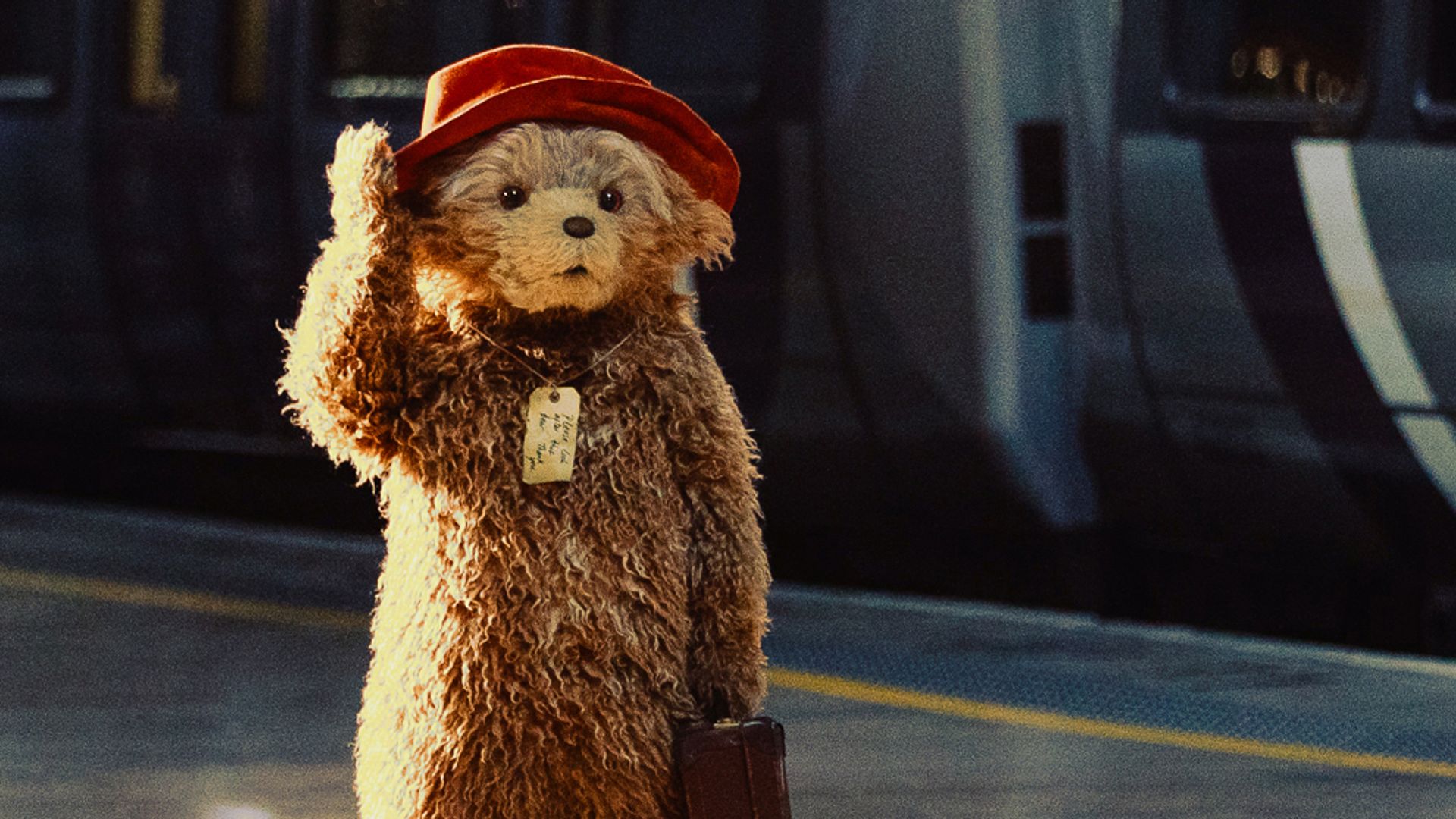
The dominance of Paddington The Musical was telegraphed months ago. It is a technical marvel, boasting a life-like puppet and a score by McFly’s Tom Fletcher that hits every commercial beat required for a Savoy Theatre residency. By winning Best New Musical, Best Director (Luke Sheppard), and Best Supporting Actor and Actress, it has officially entered the pantheon of "mega-hits" alongside Hamilton and Matilda.
But we should look at what it beat. It triumphed over The Unlikely Pilgrimage of Harold Fry and Here We Are, Sondheim’s final, difficult gift to the stage. The message from the Society of London Theatre (SOLT) is loud: in a 2026 economy where production costs for materials and energy have surged by double digits, the bear with the suitcase is the only safe bet. Paddington isn't just a character; he is a hedge against inflation. Similar reporting on this trend has been shared by IGN.
The Star Power Subsidy
The acting categories this year served as a reminder that the West End is now essentially a satellite office for Hollywood and streaming giants. Rosamund Pike took home Best Actress for Inter Alia, while Rachel Zegler’s turn in the revival of Evita earned her Best Actress in a Musical.
This isn't just about talent; it is about the "transferable audience." Zegler’s performance at the London Palladium was designed for the TikTok era, complete with a balcony scene staged for the crowds outside. It was a brilliant marketing maneuver that translated into hardware. However, the reliance on marquee names to fill seats creates a tiered system where mid-level talent, the traditional backbone of the London stage, is increasingly squeezed out of lead roles in favor of actors with high follower counts and international film credits.
Key Winners at a Glance
| Category | Winner | Production |
|---|---|---|
| Best New Musical | Paddington | Savoy Theatre |
| Best New Play | Punch | Young Vic / Apollo |
| Best Actress | Rosamund Pike | Inter Alia |
| Best Actor | Jack Holden | Kenrex |
| Best Musical Revival | Into the Woods | Bridge Theatre |
| Best Revival | All My Sons | Wyndham's Theatre |
The Silent Crisis of the Subsidised Stage
While the commercial sector toasts to record ticket sales, the real story of the 2026 Oliviers lies in the "New Play" category. James Graham’s Punch took the prize, a gritty, vital piece of storytelling that originated at the Young Vic. It was a rare moment of triumph for the subsidised sector, which is currently screaming for help.
A recent industry report titled Theatre in the UK 2026 highlights the rot at the foundation. While the average West End ticket price has actually dropped by 8.9% in real terms since 2019 to maintain accessibility, production costs have spiked. This has left 51% of subsidised organizations—the very places where shows like Punch are born—facing a deficit this year. The Oliviers celebrate the finished product, but they rarely acknowledge that the pipeline creating these "prestige" winners is being choked by rising labor and maintenance costs.
Technical Wins and the Gothic Revival
The technical awards tonight signaled a shift toward immersive, high-intensity stagecraft. Kenrex at The Other Palace, a psychological thriller that relies heavily on its visceral soundscape, walked away with Best Sound Design for Giles Thomas. Meanwhile, the Bridge Theatre’s production of Into the Woods secured Best Lighting, a testament to the industry's move away from traditional proscenium limitations toward more environmental experiences.
We are seeing a trend where the "spectacle" is no longer just about big sets, but about sensory immersion. This is a direct response to the competition from home streaming and gaming. To get a 2026 audience off the sofa, the theatre must offer something that vibrates in their chest.
The Stoppard Shadow
The win for All My Sons as Best Revival, featuring Paapa Essiedu, was a nod to the enduring power of the classics. However, many in the room felt the absence of a major tribute to Tom Stoppard, who passed away recently. While Arcadia was nominated, it lost out to the Miller classic. It feels like a missed opportunity for the 50th anniversary of the Oliviers to properly ground itself in its own history, choosing instead to focus on the high-energy, commercial "now."
London theatre is at a crossroads. We can celebrate seven wins for a bear in a blue coat, but we must also ask why 91% of theatres expect their costs to rise while their turnover stagnates. The 2026 Olivier Awards were a masterclass in presentation, hiding the industry's growing pains behind a curtain of gold-leaf and showtunes. The "winners" are clear, but the long-term survival of the ecosystem that produced them remains the industry's most challenging script yet.
The West End has proven it can still put on a show. The question is whether it can still afford to take a risk.