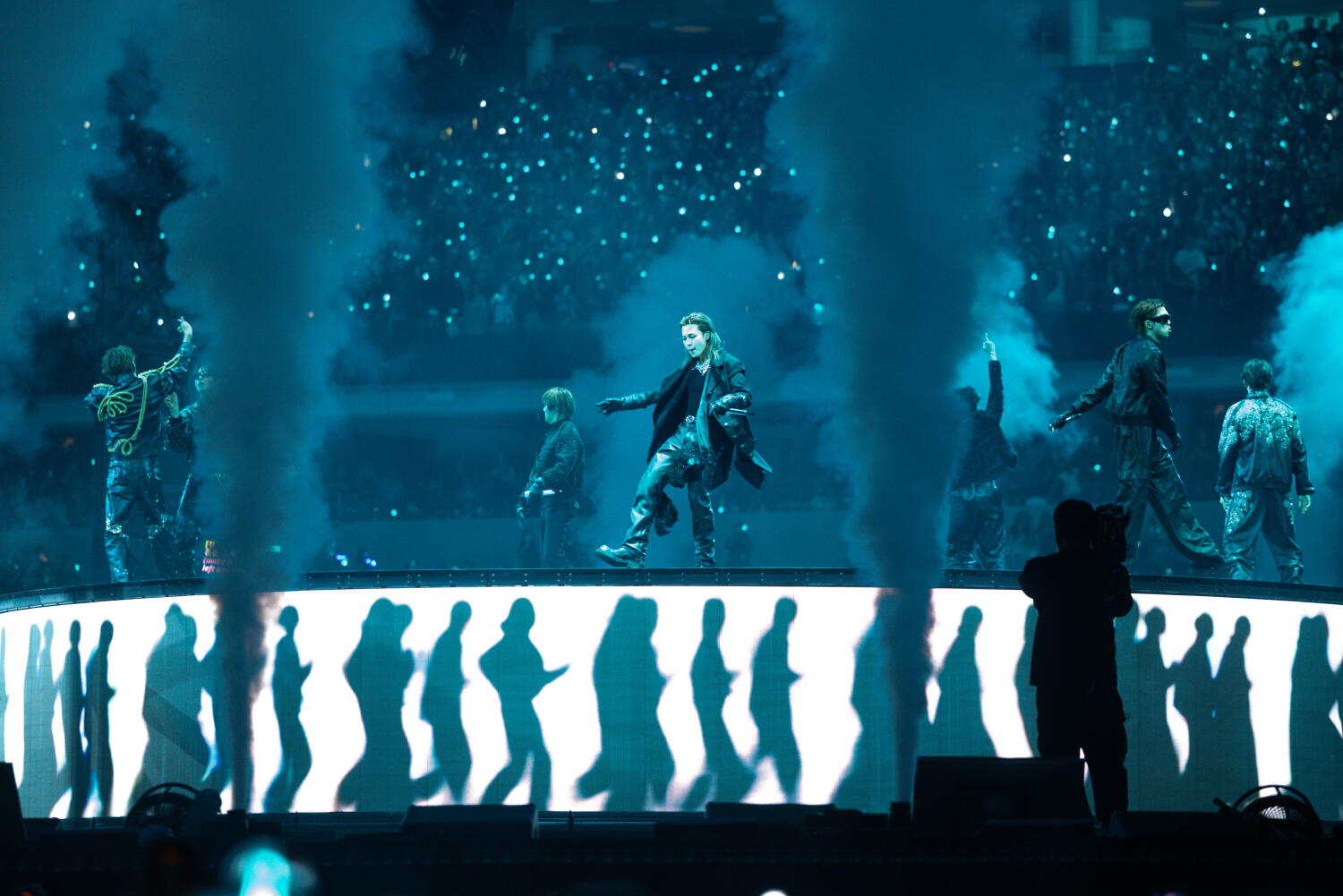
Every music journalist with a Wi-Fi connection and a deadline spent the weekend writing the exact same lazy narrative about BTS filling SoFi Stadium for multiple consecutive nights. The consensus reads like a press release drafted by a frightened major label executive. They call it a milestone. They call it proof of lasting cultural penetration. They write breathless paragraphs about global hegemony, linguistic barriers shattering, and the permanent reshaping of the American pop charts.
They are wrong. Completely, fundamentally, embarrassingly wrong.
I have spent the last decade watching live entertainment conglomerates inflate metrics, manipulate secondary ticket markets, and confuse localized fan hysteria with systemic market integration. I have seen promoters paper houses just to secure the press release, and I have watched foreign acts mistake a localized demographic echo chamber for mainstream dominance.
Stadium-scale attendance figures do not measure cultural penetration. They measure logistical optimization, fan-base dedication concentration, and algorithmic funneling. Selling out a 70,000-seat venue in Los Angeles proves that a group possesses one of the most hyper-mobilized, financially sacrificial fandoms in human history. It tells us nothing about whether the average American plumber, accountant, or high school teacher can hum three bars of a hit single without reading the lyrics off a TikTok caption.
Confusing the two is the exact analytical failure that keeps legacy media looking foolish.
The Logistics Illusion of Stadium Supremacy
Let us look at the mechanics of modern stadium touring. When a massive pop act drops dates in major metropolitan hubs, the tickets do not sell themselves to a diffuse, organic public. They are funneled through tiered presales, global fan-club lotteries, and verified-fan algorithms designed to concentrate the most rabid consumers into a single geographic bottleneck.
If you have two million active, obsessed fans spread across North America, you do not need mainstream radio airplay, critical acclaim from prestige outlets, or casual listeners to fill a venue in Los Angeles. You just need a tiny fraction of that global army to book flights, coordinate housing, and descend upon a single ZIP code for a three-day weekend.
Imagine a scenario where a heavy metal band with zero radio hits attracts fifty thousand die-hard devotees from forty different countries to a single specialized festival in Germany. Does that mean thrash metal has achieved permanent cultural dominance across Europe? Of course not. It means the band has mastered the economics of niche fanaticism.
BTS does not pack SoFi Stadium because Middle America woke up humming Korean lyrics. They pack it because the Army operates like a multinational logistics corporation. They buy multiple nights. They purchase the merchandise packages. They fly in from Tokyo, Seoul, London, and New York. The economic impact is real, but the cultural footprint outside that stadium perimeter is whisper-thin.
The Streaming Mirage and Airplay Blind Spot
Let us talk about the data that the pop-culture cheerleaders conveniently omit. Look at terrestrial radio airplay charts. Look at organic streaming numbers on platforms outside of curated algorithmic playlists.
For years, major international crossovers have relied on bulk-buying strategies, remix variants, and coordinated digital streaming campaigns to scale the Billboard charts. The moment those coordinated campaigns cease, the tracks plummet faster than a lead weight.
Real cultural penetration looks like Ed Sheeran or Taylor Swift. It looks like songs that play in dentist offices, supermarkets, and Uber cabs driven by people who have never touched a smartphone. It looks like music that enters the ambient noise of a culture without requiring a coordinated Reddit thread to mobilize streams.
BTS achieved something far more difficult and lucrative than mainstream cultural integration: they built an impenetrable, self-sustaining financial ecosystem that operates entirely outside the traditional Western pop machine. That is a massive business achievement. It is a triumph of direct-to-consumer monetization and community building. But it is not cultural penetration. It is cultural insulation.
They do not need the mainstream because their parallel universe is more profitable than reality. Yet, music critics insist on grading them on a curve they never asked to be on, pretending that stadium ticket stubs are equivalent to deep-seated cultural assimilation.
The Cost of Mistaking Fandom for the Public
Why does this misdiagnosis matter? Because it blinds executives, marketers, and artists to the actual mechanics of global soft power.
When you tell yourself that a stadium sell-out equals mainstream integration, you stop trying to build local bridges. You stop worrying about why your music fails to resonate organically with the uninitiated listener down the street. You rely entirely on the captive audience you already own, squeezing them harder with higher ticket prices, expanded VIP tiers, and endless physical album variants to keep the illusion of upward trajectory alive.
The truth is that the American music landscape remains fiercely resistant to foreign-language crossover hits on an enduring, generational level. A flash flood of enthusiasm is not a permanent river.
BTS changed the business of music forever. They proved that language is no barrier to building a cult-like, hyper-engaged global enterprise. They proved that Western gatekeepers no longer hold a monopoly on stadium-tier touring revenue.
Stop calling it cultural penetration. Call it what it actually is: the ultimate triumph of fortress fandom over a fragmented, dying mainstream.
Leave the stadium lights on. The fans inside will keep buying. Just do not mistake the roar of the converted for the voice of the culture at large.