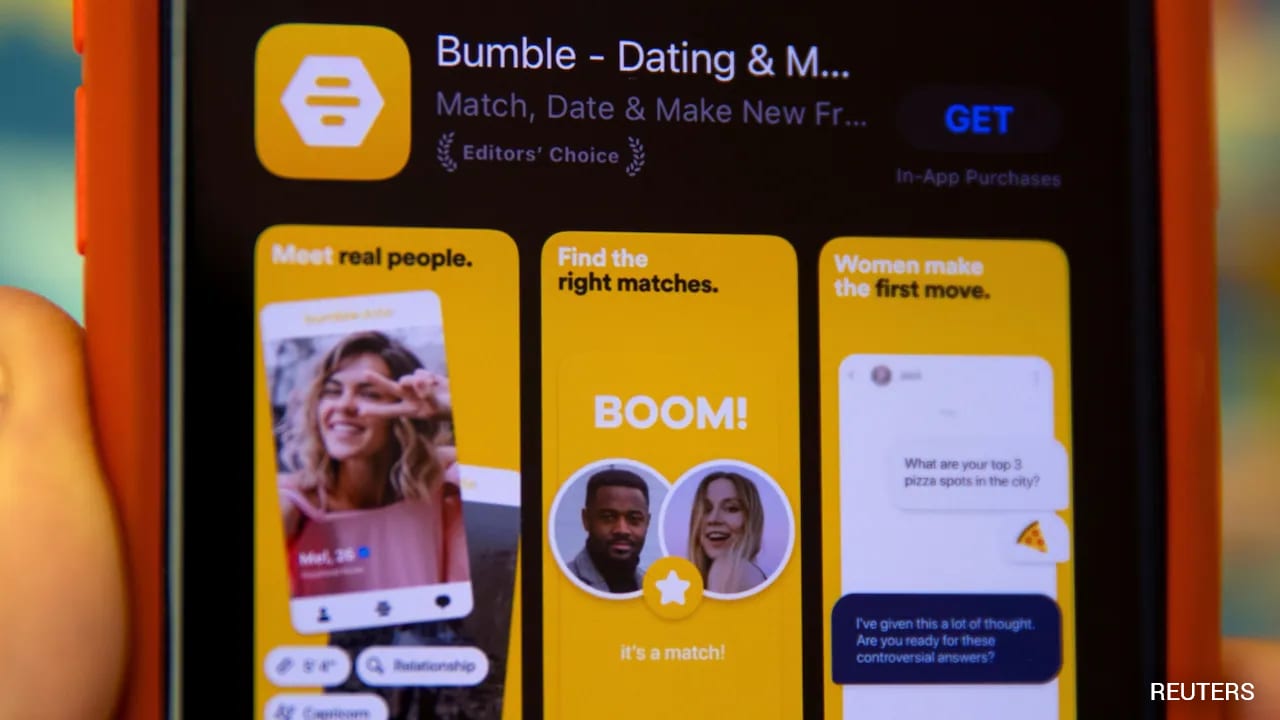
For over a decade, the yellow app built its entire identity on a single premise. Women had to send the first message. If you matched with someone on Bumble and you were a guy, you sat there staring at a countdown clock, completely powerless, waiting for a "hey" that might never arrive. Founder Whitney Wolfe Herd pitched it as a revolutionary way to fix online dating by handing control to women.
Now, that defining rule is gone. Read more on a related topic: this related article.
Bumble officially rolled out a global update allowing anyone in a heterosexual match to kick off the conversation. Along with dropping the gendered messaging restriction, the company stretched the ticking response clock from 24 hours to 72 hours. If you've spent any time swiping through modern dating apps, you already know why this happened. The feature that once set Bumble apart from Tinder turned into a massive chore.
The Exhaustion Factor Behind the Update
Let us be completely honest about how the women-first mechanic actually played out in practice. It sounded great in theory. In reality, millions of women grew bone-tired of carrying the mental load of breaking the ice for every single match. Additional analysis by Ars Technica highlights similar perspectives on this issue.
Data from the company's own user surveys revealed a surprising truth. Nearly two-thirds—about 66 percent—of women surveyed stated they actually prefer men to send the first message. For many users, staring at a blank chat box with a 24-hour expiration timer felt less like empowerment and more like an unpaid internship in digital communication.
Matches expired by the tens of millions simply because women didn't have the emotional bandwidth to think of a witty opening line after a long workday. When a product feature starts feeling like homework, people stop using the app. Facing a 16.4 percent drop in paying users and slowing revenue growth, management had no choice but to pivot away from dogma and listen to basic human fatigue.
What Actually Changes for Your Daily Swipe
If you open the app today, the mechanics look a lot more like standard platforms, but with a few safety rails attached. Either person can drop the first line. However, to keep low-effort spam to a minimum, the app prompts members to reconsider single-word greetings before they hit send.
The extension of the timer to 72 hours is arguably a bigger fix than the gender change. Life happens. People log off for the weekend. Killing the frantic 24-hour panic window acknowledges that adults have busy lives outside of their phone screens. Initial testing in markets like Canada showed promising results, pointing to higher chat initiation rates and fewer dead matches rotting in the inbox.
The Bigger Crisis in Modern Dating
This update doesn't exist in a vacuum. Dating apps across the board are bleeding engagement because users hate the endless, mindless loop of swiping on profile cards. People want genuine interactions, not a digital slot machine.
Bumble is shaking up more than just messaging. The company plans to experiment with phasing out traditional swiping entirely in select markets, leaning into AI-powered matchmakers and real-world group meetups. When a brand built on a specific gimmick has to dismantle it to survive, it tells you something profound about the current state of romance tech. Users are exhausted by artificial rules, gimmicks, and high-pressure features.
You don't need a manifesto or a gender-locked chat box to find a decent date. You just need a system that gets out of your way and lets two people talk.
Update your profile, check your matches with the new 72-hour breathing room, and stop worrying about who says hello first.