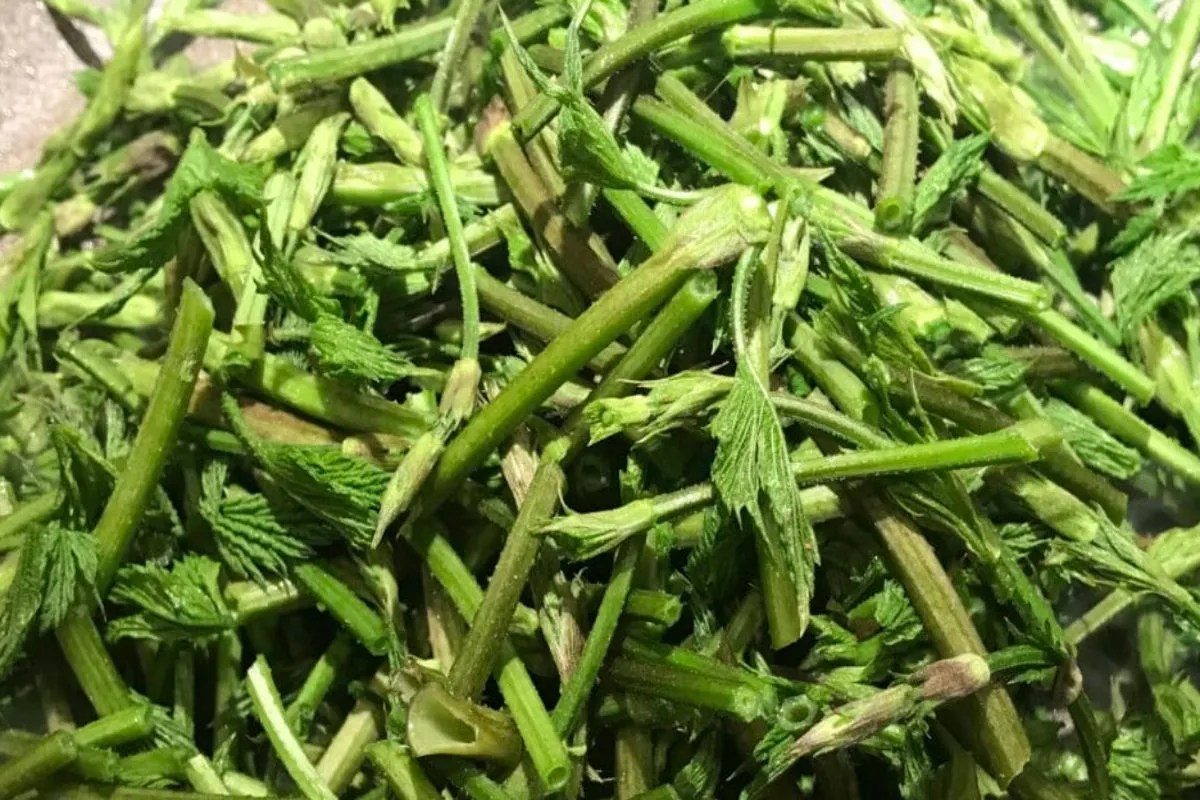
Every agricultural blogger with a Wi-Fi connection and a penchant for regurgitating viral clickbait is currently losing their collective mind over hop shoots. The lazy consensus online claims that Humulus lupulus stems are the most expensive vegetable on earth, commanding prices that could apparently finance a brand-new motorcycle.
The narrative is always identical. A breathless paragraph about how a single kilogram costs a small fortune, followed by some romanticized nonsense about gourmet European restaurants and exclusive foraging.
It is absolute garbage.
I have spent over a decade tracking high-end specialty crop markets, watching venture-backed ag-tech startups and culinary influencers burn cash on novelty produce that nobody actually eats on a Tuesday night. I have seen procurement officers blow thousands on hyper-niche ingredients purely for the Instagram clout, only to throw eighty percent of the shipment into the commercial compost bin by Friday afternoon.
Hop shoots are not a luxury food item. They are a pricing anomaly, an operational nightmare, and a masterclass in how media hysteria turns agricultural waste into status symbols for people who do not know the difference between a rhizome and a root.
Stop treating a brewing byproduct like liquid gold. Here is why the entire hype cycle is a scam.
The Economics Of Scarcity Are Completely Manufactured
Let us start with the core claim: the price tag. Internet articles love to throw around figures like one thousand euros per kilogram.
Nobody is buying a kilogram of hop shoots. That pricing exists entirely on paper because nobody sells them by the kilo in a commercial grocery context. They are harvested by hand, strictly as a byproduct of pruning hop bines in early spring to ensure the plant channels its energy upward toward the cones used in beer production.
Imagine a scenario where a vineyard prunes away tiny, unwanted tendrils of grapevines and tries to auction them off as the world's most expensive leafy green. You would laugh them out of the room. Yet, because a few foraging chefs in the United Kingdom or Belgium sautéed them in butter once to create a temporary menu gimmick, the internet decided it was the caviar of the vegetable patch.
The labor required to harvest hop shoots is nightmarish, yes. You have to crawl through damp soil, snapping off delicate bines by hand before they toughen up. But high labor costs do not automatically equal high culinary value. They just mean you are paying an exorbitant hourly wage for a tiny volume of vegetal fiber that tastes vaguely like a bitter, grassier asparagus crossed with an unwashed pine needle.
The Taste Test Nobody Wants To Admit Is Disappointing
Let us address the flavor profile, because the culinary cheerleaders refuse to tell you the truth.
Hop shoots are intensely bitter. They belong to the Cannabaceae family, packed with resins, humulone, and lupulone. These are the exact chemical compounds designed by nature to deter herbivores from eating the plant.
When you cook them, that bitterness does not magically transform into a delicate umami masterpiece. It hits the back of your palate like a mouthful of medicinal weeds. Chefs do not use hop shoots because they taste transcendent. They use them because they are rare, and rarity is an easy substitute for genuine culinary creativity.
If you served an uninitiated diner a plate of sautéed hop shoots without telling them they cost a fortune, they would push the plate away after one bite and ask if you ran out of broccolini.
True expertise in food isn't about chasing the most difficult item to source; it is about extracting maximum flavor from accessible ingredients. The obsession with hop shoots represents the exact opposite: an insecurity-driven appetite where price dictates pleasure.
The Real Yield Problem
If hop shoots were genuinely viable as a cash crop, every commercial hop grower in Yakima Valley or the Hallertau region would pivot overnight. They would abandon the multi-billion-dollar brewing industry and sell spring shoots to gullible luxury hotels.
They don't. Why? Because doing so ruins the actual crop.
Pruning hop bines is a precise agricultural science. You strip the weaker shoots to concentrate nutrients into the primary bines that will eventually climb the trellis and produce beer-grade cones by late summer. If you harvest those shoots haphazardly for culinary shipping, you compromise the structural integrity of the plant.
The volume you get per acre is pitiful. The shelf life is practically nonexistent; hop shoots begin to oxidize and lose what little structural integrity they have within forty-eight hours of picking. Transporting them across borders requires cold-chain logistics that triple the carbon footprint for a vegetable that provides fewer calories than a single stalk of celery.
What You Should Do Instead
If you want to spend money on high-end produce that actually delivers on flavor, buy wild morels, fresh spring garlic, or heritage micro-greens from a local grower who understands soil biology.
If you are an entrepreneur looking at ag-tech trends, stop chasing novelty metrics designed for viral TikTok clips. Build supply chains that solve real distribution bottlenecks, not marketing stunts that exploit human status anxiety.
The next time someone tells you about a vegetable that costs as much as a motorized vehicle, check their motives. They aren't talking about agriculture. They are selling you a fairy tale.
Don't buy the ticket. And definitely don't eat the weeds.