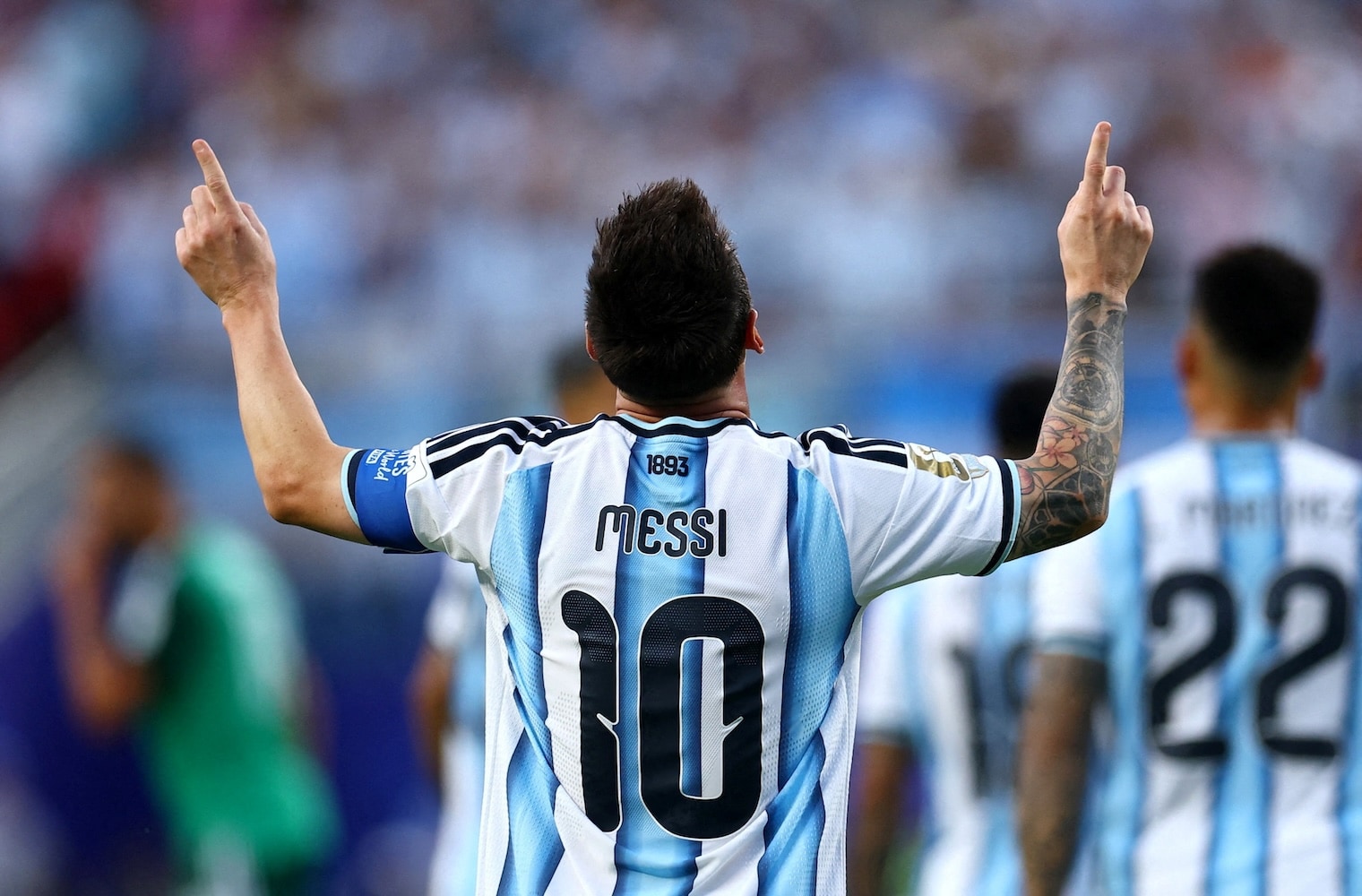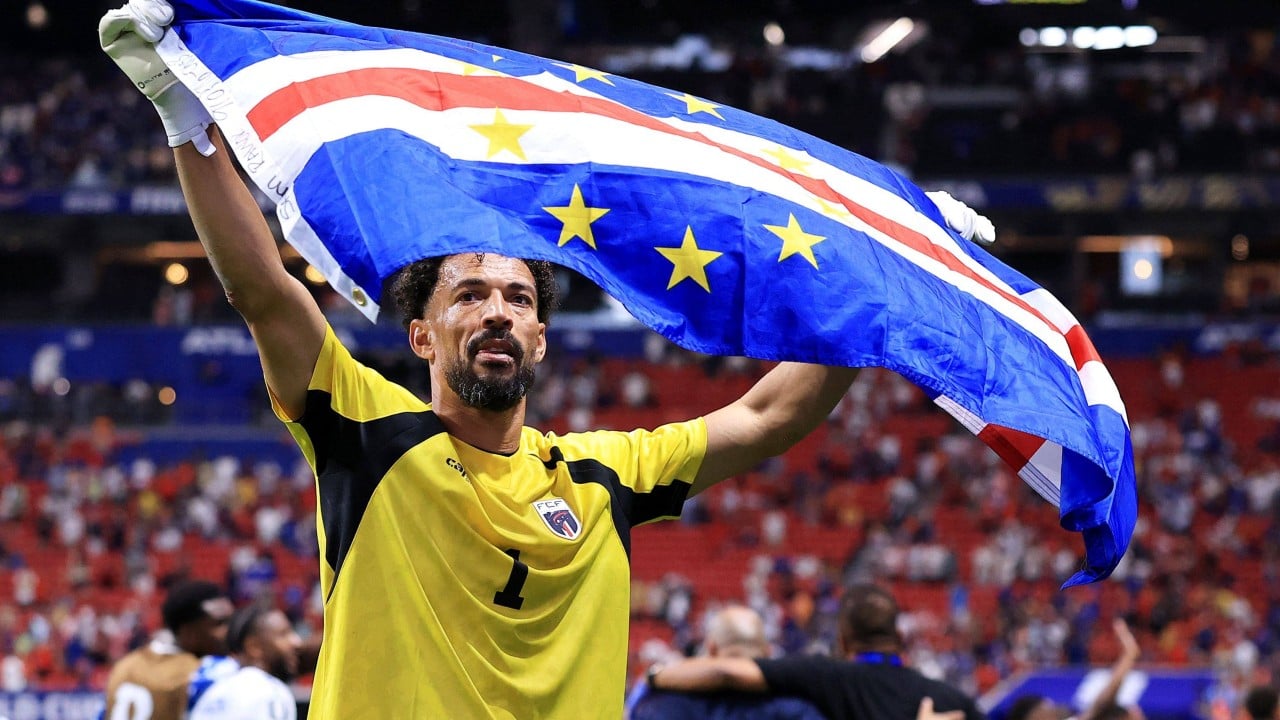
The global sports press loves a lazy narrative. When tiny Cabo Verde held powerhouse Spain to a shocking draw on the international stage, the soccer commentariat rushed to file the same predictable story. They pointed at the shiny new stadium in Praia, noted the Chinese state construction workers who poured the concrete, and declared it a triumph of Beijing’s stadium diplomacy.
It makes for a convenient headline. It blends geopolitical anxiety with a classic sports underdog story. The only problem is that it is fundamentally wrong.
Stadiums do not score goals. Infrastructure projects do not develop world-class technical skill. To credit China’s Belt and Road Initiative for Cabo Verde’s footballing rise is to misunderstand both international development and sports science. I have spent years analyzing how public capital interacts with athletic development, and I can tell you that throwing cement at a developing nation does not magically yield a golden generation of athletes.
The real engine behind Cabo Verde’s historic result lies somewhere entirely different. It is found in the grit of the diaspora, domestic structural reforms, and a hyper-efficient scouting network that stretches across Europe. Beijing built the stage, sure. But they had absolutely nothing to do with the performance.
The Concrete Fallacy Why Infrastructure Does Not Equal Excellence
The core argument of the mainstream press relies on a flawed premise: input equals output. The logic goes that because China funded and built the Estádio Nacional de Cabo Verde, China is responsible for the athletic dividends that followed.
This is the concrete fallacy. If state-of-the-art facilities automatically generated elite footballers, China’s own men's national team would be lifting World Cup trophies instead of struggling against regional neighbors. Beijing has poured billions into domestic football academies, high-tech training centers, and naturalized foreign talent. The return on that investment has been disastrous.
The Real Cost of Stadium Diplomacy
When a foreign power gifts a stadium, it is rarely a altruistic act, and it is never a sports development program. It is a diplomatic transaction. The host nation gets a shiny ribbon-cutting ceremony; the donor nation gets access to maritime routes, voting alignment in international forums, or extraction rights.
[Foreign Capital Injection] ──> [Physical Infrastructure] ──> [Maintenance Liability]
                                                                        │
[Elite Athletic Output]   <── [Grassroots Coaching]  <── [Diaspora Network] ┘
Once the construction crews pack up and head back to Beijing, the host nation is left with a massive, depreciating asset. These venues are notoriously expensive to maintain. Air conditioning, pitch upkeep, and structural security require millions of dollars annually—capital that is actively diverted away from youth coaching, domestic league salaries, and grassroots equipment. In many cases, massive stadium gifts act as an anchor on local football associations, draining resources that could have funded a hundred community pitches.
The Diaspora Dividend The Real Source of Cabo Verdean Talent
To understand why Cabo Verde can go toe-to-toe with Spain, you need to look at a map of migration, not a map of Chinese investment. The population of Cabo Verde sits at roughly 600,000. The population of the Cabo Verdean diaspora is well over a million.
For decades, economic realities forced citizens to migrate to Lisbon, Rotterdam, Boston, and Paris. Their children entered some of the most sophisticated youth development academies on the planet.
- The Portuguese Pipeline: Benfica, Sporting CP, and Porto routinely scout the Afro-Portuguese communities where Cabo Verdean families settled.
- The Dutch Technical School: Clubs like Sparta Rotterdam and Feyenoord have long benefited from the raw talent and incredible work ethic of second-generation Cape Verdean players.
When these players choose to represent their ancestral home, they bring elite European tactical discipline, sports science knowledge, and match fitness with them. They do not develop these traits playing in an empty stadium in Praia. They develop them in the driving rain of suburban Rotterdam and the high-pressure academies of Lisbon.
The Federação Caboverdiana de Futebol (FCF) did something far smarter than building stadiums: they built an elite scouting network. They treated the diaspora as their primary talent pool, tracking down eligible players in the lower divisions of Europe and convincing them to play for the Blue Sharks. That is a triumph of human resource management, not infrastructure.
Dismantling the People Also Ask Consensus
The internet is filled with questions that assume the Western-centric or geopolitical view of African sports. Let us look at what people are asking and dismantle the faulty assumptions behind them.
Does Chinese investment improve African football standards?
No. It improves structural capacity for hosting tournaments, which satisfies CAF and FIFA requirements. That is a bureaucratic victory, not an athletic one. Athletic standards improve through sustained competition, coaching education, and economic stability for players. A 15,000-seat stadium with a synthetic track does not improve a forward's first touch or a goalkeeper's reflexes.
How can small nations like Cabo Verde compete with European giants?
By bypassing traditional development timelines entirely. A small nation cannot afford to build a domestic league system that rivals La Liga or the English Premier League. If they try, they fail. Cabo Verde competes by leveraging globalization. They outsource their player development to European clubs for free, then reap the rewards during international breaks. It is a highly efficient, lean sporting model.
The Operational Reality of the Blue Sharks
Look at the tactical setup during that historic draw against Spain. The team did not win individual battles through sheer physical superiority; they matched Spain intellectually. They managed space, executed quick transitions, and maintained defensive blocks with a sophistication that only comes from playing at the highest professional levels weekly.
| Component | The Mainstream Narrative | The Operational Reality |
|---|---|---|
| Talent Origin | Domestic growth via new facilities | European academies (Portugal, Netherlands, France) |
| Funding Focus | External state-sponsored infrastructure | Internal scouting networks and diaspora recruitment |
| Tactical Maturity | Attributed to "national pride" and growth | Direct result of playing in top-tier European leagues |
| The Danger | More stadiums will lead to more success | Stadium maintenance costs threaten grassroots funding |
I have watched football associations across Africa and the Caribbean fall into the trap of thinking a new stadium solves structural deficits. They sign deals with foreign entities, build a white elephant venue, and then wonder why their FIFA ranking plummets over the next decade. The FCF succeeded despite the distractions of stadium diplomacy, because they kept their focus squarely on the human element.
The Downside of the Lean Diaspora Model
While this contrarian view highlights the efficiency of the diaspora model, transparency demands admitting its vulnerability. Relying on players born and raised abroad is a short-to-medium-term hack. It creates a fragile ecosystem.
If a second-generation player is good enough to make the French or Portuguese senior squad, they will almost always choose that path due to prestige and financial incentives. Cabo Verde is often choosing from the second tier of diaspora talent—incredibly gifted players, but not the absolute elite. Furthermore, this model creates a cultural disconnect between the domestic fan base and a national team composed of players who might not speak the local language fluently or have ever lived in the country.
Yet, even with these flaws, it is lightyears ahead of the infrastructure-first delusion. It acknowledges reality: talent development requires human capital, coaching hours, and competitive friction. Concrete offers none of those things.
Stop looking at the logo on the stadium plaque to explain a football miracle. The draw with Spain wasn't engineered in a boardroom in Beijing. It was forged in the diaspora, executed by brilliant sporting administrators, and won on the pitch by players who knew exactly how to exploit the flaws of European arrogance.