Talk of a third impeachment is already floating around progressive circles, and honestly, the loudest voices aren't coming from the lawmakers who actually have to cast the votes. If you look closely at what California Democrats in Washington are saying, the message is blunt. They're gearing up for aggressive congressional oversight, subpoenas, and committee hearings targeting the Trump administration, yet they're deliberately keeping impeachment off the table.
That decision isn't about going soft. It's basic political math mixed with institutional muscle memory.
Anyone who watched the first two impeachment battles knows how much oxygen they suck out of Congress. They dominate cable news for months, harden partisan lines, and end in a Senate acquittal when the opposing party lacks a two-thirds supermajority. Right now, California Democrats—who make up the largest and most influential state delegation in the House Democratic caucus—understand that an immediate impeachment push would hand Republicans an easy talking point while stalling legislative priorities and public-facing oversight.
What California Democrats Actually Mean by Oversight
When senior California lawmakers talk about investigating the Trump administration, they aren't talking about vague press conferences. They're talking about using committee gavels, document demands, inspector general referrals, and public hearings to build an evidentiary record that voters can actually digest.
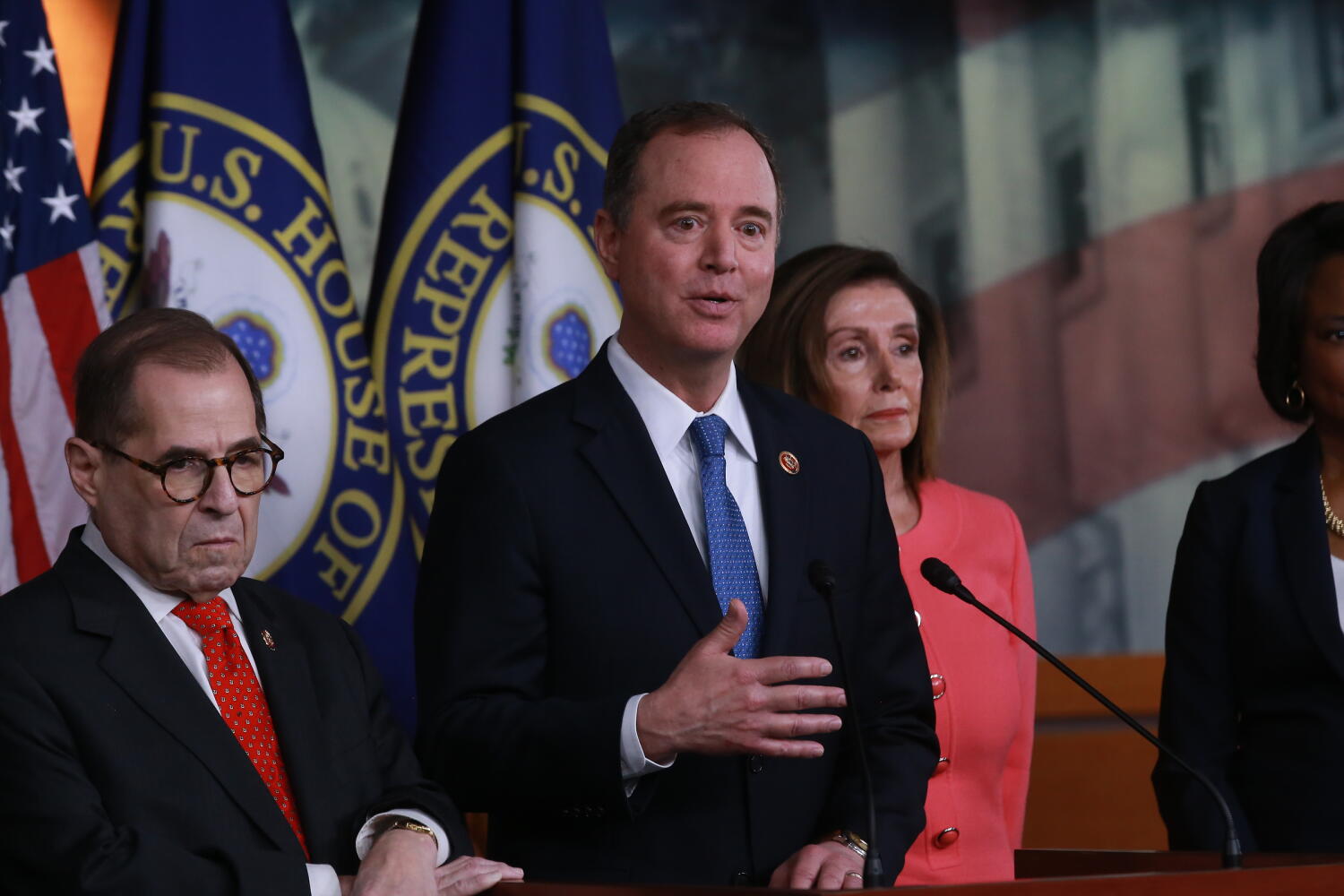
Look at who sits in the California delegation. You have veteran operators like Nancy Pelosi, Zoe Lofgren, Adam Schiff over in the Senate, Eric Swalwell, Ted Lieu, and Robert Garcia—lawmakers who either managed previous impeachment trials, sat on the January 6th committee, or spent years sparring with executive branch officials in Judiciary and Oversight hearings. They know how congressional investigations work when they're effective and how badly they backfire when they outrun public support.
Oversight has a specific rhythm. First come letters demanding records from federal agencies. Then come subpoenas if the administration stonewalls, followed by court fights over executive privilege and transcribed interviews with career civil servants. None of that requires the word "impeachment" to carry weight. In fact, keeping impeachment out of the headline makes it much harder for White House allies to dismiss every inquiry as a partisan stunt from day one.
The Committees Where the Real Action Happens
If you want to track where California Democrats will focus their energy, watch three main arenas in Congress:
- House Oversight and Accountability: This is the frontline for examining federal agency staffing, political appointments, potential conflicts of interest, and the rollback of federal regulations affecting California's economy and environment.
- House Judiciary: Expect sharp questioning around Department of Justice independence, immigration enforcement tactics, civil rights enforcement, and executive orders that test constitutional boundaries.
- Appropriations and Energy Committees: Investigations don't always look like courtroom dramas. Often, they happen when lawmakers grill cabinet secretaries over withheld disaster relief, clean energy grants, or federal transportation funds earmarked for California.
That last point gets overlooked constantly. For California, federal oversight isn't abstract constitutional theory. It's about billions of dollars in wildfire recovery money, Medicaid funding, high-speed rail grants, and Clean Air Act waivers that allow the state to set its own tailpipe emissions standards.
Why a Third Impeachment Is a Trap Right Now
Let's be real about the numbers and the political mood. Impeachment is the heaviest constitutional weapon Congress holds, and once you pull that trigger, every other issue disappears from the front page.
During Trump's first term, Democrats impeached him twice—first in December 2019 over his dealings with Ukraine, and again in January 2021 following the attack on the U.S. Capitol. Both times, the House voted to impeach, and both times, the Senate voted to acquit because reaching the 67-vote threshold required by the Constitution proved impossible without substantial Republican defections.
California Democrats learned a hard lesson from those cycles. When voters are worried about grocery prices, housing costs, healthcare, and local infrastructure, leading with impeachment makes the party look obsessed with palace intrigue rather than kitchen-table problems. Even among Democratic voters, there's real fatigue around high-drama constitutional showdowns that end without removing a president from office.
Swing-district Democrats in California feel this pressure more than anyone. Seats in places like Orange County, the Central Valley, and the Inland Empire decide who controls the House of Representatives. Representatives from those districts can't afford to spend every week answering questions about impeachment articles when their constituents want to know what Congress is doing about insurance rates, water storage, and inflation. By focusing on targeted investigations into executive overreach or misuse of taxpayer funds, leadership protects vulnerable members while still holding the administration accountable.
The Dual Track Between Washington and Sacramento
You can't separate what California Democrats are doing in Congress from what's happening back home in Sacramento. California has spent years positioning itself as the primary legal and policy counterweight to conservative federal administrations, and that playbook is back in full swing.
While congressional Democrats prepare oversight inquiries on Capitol Hill, state leaders—including Governor Gavin Newsom and Attorney General Rob Bonta—have their own parallel track. California's Department of Justice routinely files multistate lawsuits challenging federal rollbacks on environmental rules, reproductive healthcare access, and immigration policies. Meanwhile, the state legislature sets aside dedicated legal defense funds to fight federal actions in court.
This split-screen strategy is intentional. Federal courts move faster than congressional impeachment trials, and injunctive relief from a federal judge can freeze an executive order in days rather than months. Congressional investigations feed into that ecosystem by uncovering internal memos, agency communications, and policy rationales that state attorneys general and public interest groups can cite in litigation.
It's a tag-team approach. Congress handles the public spotlight and legislative oversight; Sacramento handles the courtroom injunctions.
What People Get Wrong About Congressional Subpoenas
A common misconception is that the moment lawmakers launch an investigation, cabinet officials are forced to testify under oath the following Tuesday. That's not how Washington works anymore.
Executive branch resistance to congressional subpoenas has become standard operating procedure across administrations. When a House committee demands documents or testimony from the White House or a federal department, the administration frequently invokes executive privilege or drags out negotiations over scope and redactions. Those disputes end up in federal district court, where appeals can stretch on for a year or longer.
Experienced California lawmakers know this timeline well. That's why smart oversight relies heavily on sources the White House can't easily gag:
- Inspectors General Reports: Independent watchdogs inside federal agencies regularly publish audits and misconduct findings that hand Congress ready-made evidence.
- Whistleblower Disclosures: Career federal employees protected under whistleblower statutes often flag waste, fraud, or political interference long before formal subpoenas bear fruit.
- Outside Stakeholders and State Officials: Governors, local mayors, scientists, and industry leaders affected by federal policy shifts can testify immediately without waiting for White House clearance.
By leaning on these channels, investigators keep momentum alive even while subpoena fights crawl through the appellate courts.
How to Follow What Happens Next Without Getting Distracted
If you're trying to separate real accountability from cable-news noise over the coming months, ignore the daily chatter about who "slammed" whom on social media. Watch the paper trail instead.
Pay attention to formal oversight letters signed by committee ranking members or chairs, because those documents outline the exact legal theories and factual allegations lawmakers are pursuing. Watch federal court dockets in the Northern District of California and the D.C. Circuit, where battles over federal funding freezes and regulatory rollbacks actually get decided. And keep an eye on how vulnerable House Democrats in California talk about these probes during district town halls—the moment swing-district members start embracing a specific investigation, you know it's resonating beyond partisan circles.
Impeachment grabs headlines, sure. Investigations, court injunctions, and budget fights are where power actually shifts.