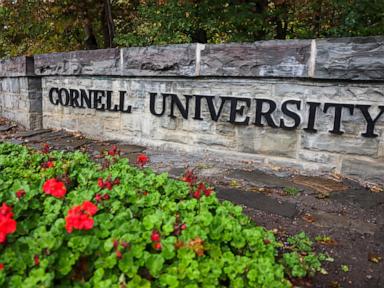
Digital footprints leave very little room for ambiguity. When text message disclosures surface in high-profile campus sexual assault cases, public outrage usually focuses on the sheer audacity of the perpetrator putting an admission in writing. Yet, treating these digital exchanges as isolated aberrations misses the systemic breakdown of university disciplinary structures. The recent revelations surrounding a Cornell fraternity member texting an apology to a survivor after an alleged rape highlight more than just individual misconduct. They expose a predictable institutional failure where campus Greek life operates in a parallel jurisdiction, shielded by administrative inertia until public pressure forces a reaction.
Public discourse often treats these texts as a smoking gun. To an investigator, however, they represent a desperate attempt at damage control within a closed social ecosystem. The fraternity house environment frequently fosters an insular culture where accountability is managed internally rather than surrendered to civil authorities or campus title coordinators. When a fraternity brother texts an admission or a plea for silence, it underscores a profound belief in personal impunity. The institutional response from Ithaca administrators has historically relied on lengthy, opaque administrative proceedings that drag on for months, effectively insulating organizations from immediate disruption while exhausting survivors.
Examining the mechanics of campus sexual misconduct cases reveals a stark disconnect between public expectations and institutional reality. Universities function as quasi-corporate entities with a vested interest in reputation management. When an allegation surfaces involving a recognized Greek organization, the initial reflex involves risk containment. Risk containment means legal counsel, public relations strategies, and internal reviews that move at a glacial pace. Meanwhile, the social machinery of the campus continues uninterrupted. The fraternity maintains its house, its recruitment cycles, and its social calendar, while the survivor navigates an administrative labyrinth designed to limit liability rather than ensure swift justice.
Text messages like the ones revealed in the Cornell case alter the evidentiary landscape, but they rarely alter the underlying institutional incentives. Digital communications provide concrete proof of intent and awareness, bridging the gap between he-said-she-said narratives that universities traditionally use as an excuse for inaction. Legal experts note that contemporaneous admissions via SMS carry immense weight because they strip away the polished defense strategies formulated weeks later by legal representation. The sender is reactive, panicked, and focused entirely on social preservation.
Despite the clarity such evidence provides, university disciplinary boards frequently stumble. Administrative bodies lack the subpoena power and investigative rigor of criminal law enforcement, yet they are tasked with adjudicating severe felonies. This mismatch creates a procedural purgatory. Survivors face aggressive defense tactics funded or supported by organizational alumni networks, while administrators attempt to balance the demands of federal Title IX compliance with the financial leverage of wealthy donors and powerful Greek alumni. The text message becomes public, the outrage peaks, a temporary suspension is issued, and the systemic loop resets.
Real reform requires dismantling the structural autonomy granted to campus Greek organizations. As long as fraternities operate as self-governing fiefdoms with direct access to administrative appeasement, digital evidence will merely serve as temporary fuel for public scandals rather than permanent catalysts for change. Until universities prioritize transparent accountability over institutional self-preservation, these text message disclosures will remain recurring symptoms of an uncorrected disease.