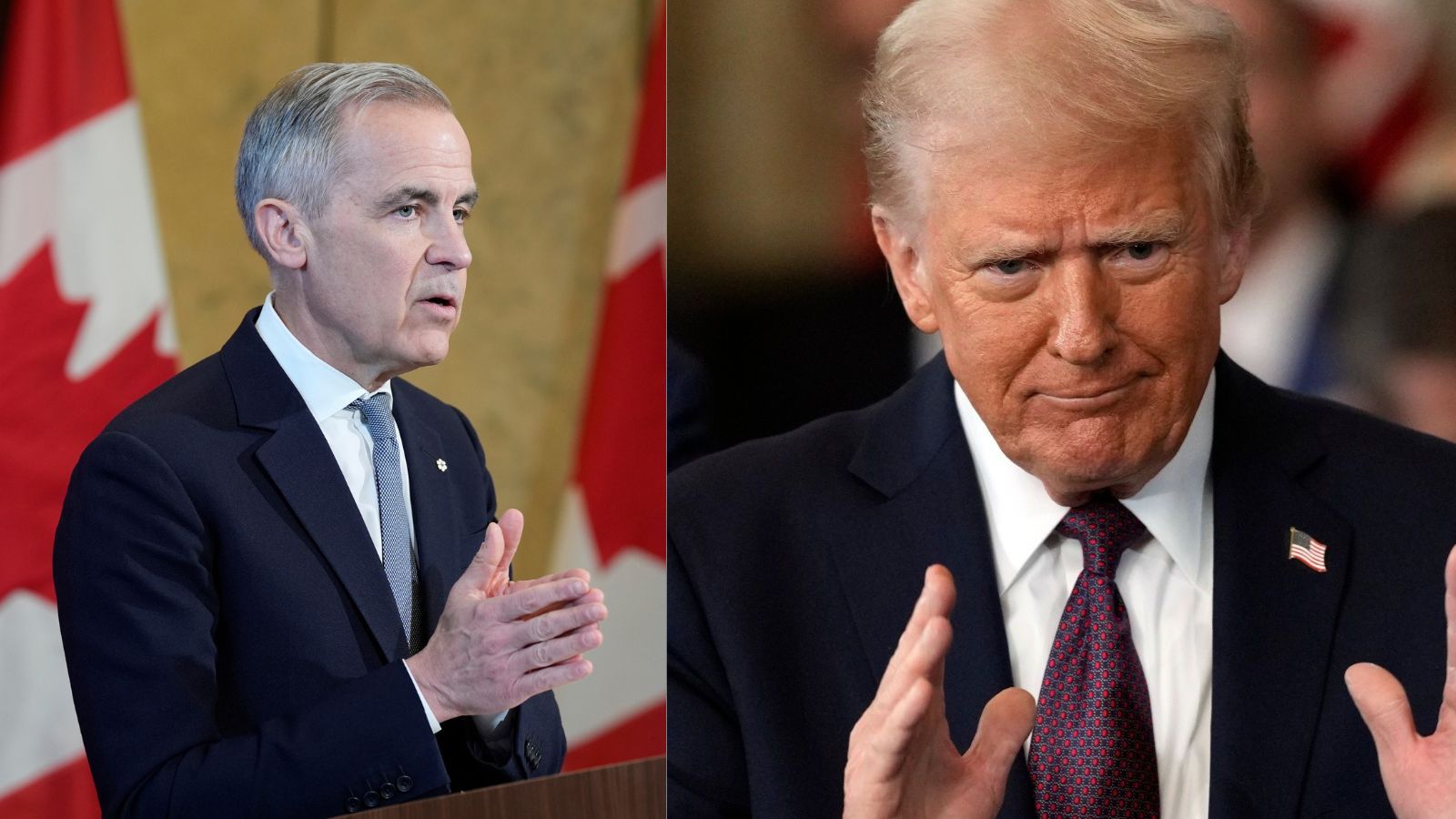
The headlines are shouting about a catastrophic trade war. Donald Trump threatens 50% tariffs on Canadian goods over autos, booze, and cheese, and mainstream commentators immediately trigger the end-times alarm. They paint a picture of an aggressive superpower crushing an innocent neighbor's economy over pocket-change disputes.
They are completely missing the mechanics of the game.
The commentary treats tariffs like a wrecking ball designed to flatten global commerce. In reality, a 50% tariff threat is not an economic death sentence. It is an aggressive valuation correction on trade distortions that both sides have weaponized for decades. Ottawa isn't a victim here. Ottawa is a full participant in a high-stakes protection racket that keeps its domestic cartels fat while blaming Washington for every price hike at the grocery store.
The Dairy Protection Monopoly Nobody Talks About
Standard coverage frames the debate around Canadian dairy as a simple disagreement over agricultural policy. That is a sanitized lie.
Canada operates a system called supply management. It limits domestic production and slaps import tariffs of up to 300% on foreign dairy products, including American cheese and milk. I have sat in rooms with trade negotiators who openly admit that Canadian dairy policy exists for one reason: to protect a political voting bloc in Quebec and Ontario at the direct expense of Canadian consumers.
When Washington threatens a 50% tariff in response, mainstream media calls it unpredictable protectionism.
Why is a 300% tariff on American cheddar considered standard trade policy, but a 50% tariff on Canadian timber is labeled economic warfare?
The math does not support the outrage. Canada forces its own citizens to pay nearly double the market price for basic grocery staples to preserve a government-sanctioned cartel. When an American administration calls the bluff, Canadian politicians rush to the cameras to play the national sovereignty card. It is a masterclass in political distraction.
The Auto Supply Chain Illusion
Then comes the auto sector. Pundits claim a massive border tax will instantly destroy North American car production. They point to the integrated cross-border assembly lines where parts cross the Detroit River six or seven times before reaching a finished vehicle.
Panic looks good on television. The ground reality is far more calculated.
Auto manufacturers do not pack up billions of dollars in capital infrastructure overnight because of a tariff headline. I have seen manufacturing conglomerates navigate trade shocks for decades. They do not panic; they re-route, re-bill, and absorb margin shocks through operational adjustments that retail investors never see.
The integrated supply chain isn't a fragile egg. It is a resilient, capital-heavy network built specifically to weather currency swings, policy shifts, and political theater. The threat of a 50% tariff forces domestic producers to confront structural inefficiencies they should have fixed a decade ago. It forces companies to stop relying on cheap cross-border regulatory arbitrages and start optimizing real logistics.
Provincial Booze Monopolies Are Trade Barriers
Look at the alcohol dispute. Critics scoff at the idea that Canadian provincial liquor boards—like Ontario's LCBO—are a legitimate international trade dispute.
They are wrong.
Canadian provincial liquor boards act as state-run monopsonies. They control distribution, fix retail margins, and give distinct pricing advantages to local breweries and wineries while slapping complex floor-pricing rules on foreign imports. It is protectionism hidden inside bureaucratic red tape.
When Washington calls out provincial liquor monopolies, it isn't throwing a tantrum over whiskey. It is highlighting a persistent, non-tariff barrier that shuts out foreign producers while pretending to be simple public health regulation.
Who Actually Pays the Bill?
The lazy narrative claims that American consumers will immediately bear 100% of the pain, driving inflation through the roof.
That assumes demand is completely inelastic. It assumes Canadian exporters have total pricing power. They do not.
When a 50% barrier appears, Canadian suppliers are forced to cut export prices to maintain market share, effectively absorbing a chunk of the tax themselves. Alternatively, foreign buyers swap suppliers. The margin compression hits Canadian exporters long before the full cost hits the American cash register.
Ottawa knows this. That is why behind the public outrage, Canadian officials quietly scramble to offer subsidies, tax breaks, and quietly adjust non-tariff barriers to keep products flowing south.
Stop reading the headlines about economic doom. The 50% tariff threat is not about ending trade with Canada. It is a high-pressure re-indexing of a broken system that protected Canadian state monopolies at the expense of open competition.