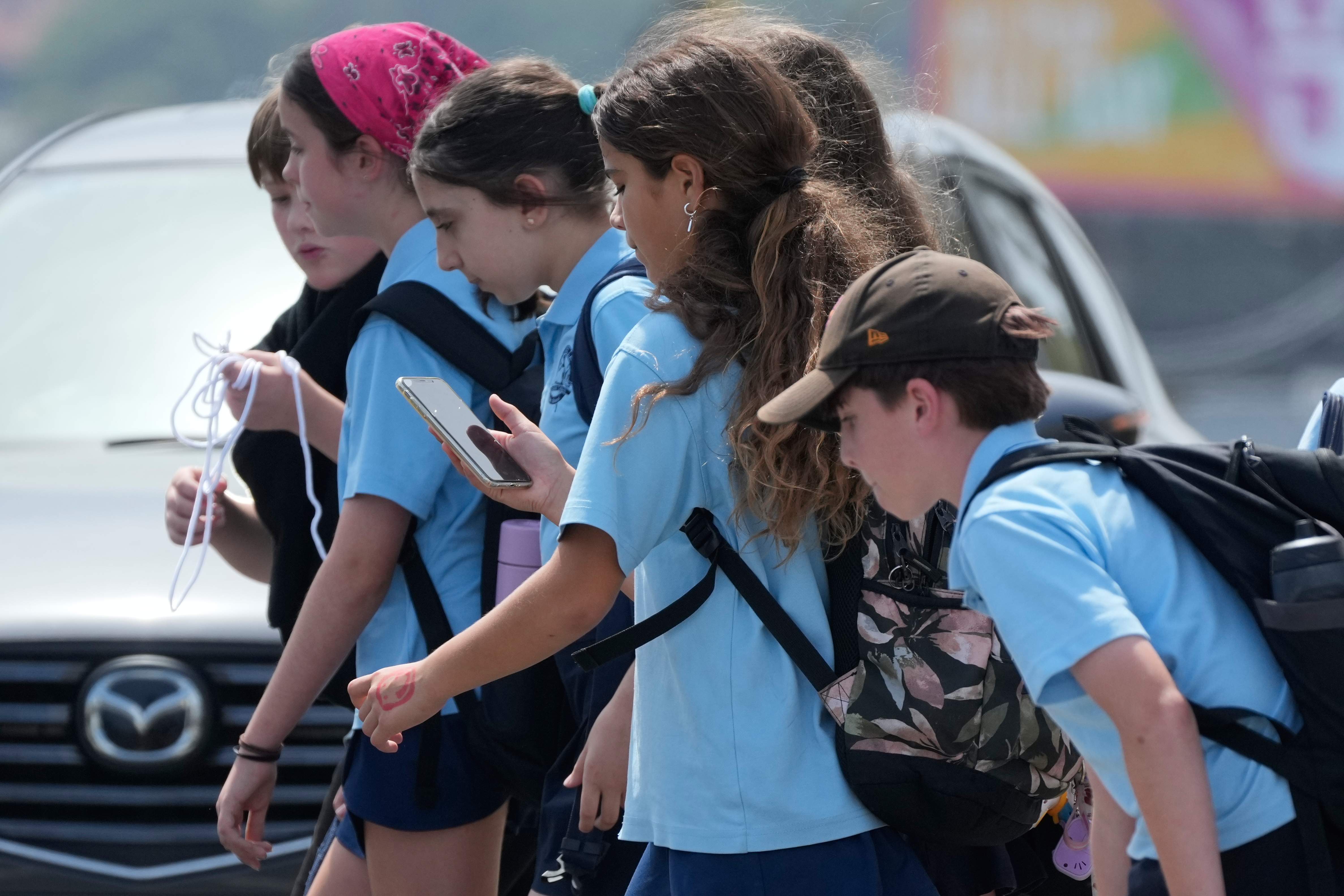
Canada's political stage is currently hosting a showdown that feels more like a scene from a sci-fi thriller than a policy convention. As Liberal party members gather in Montreal, they aren't just talking about taxes or housing. They're weighing a proposal that would essentially lock the digital gates for anyone under 16. It's a move aimed squarely at social media and AI chatbots, and it signals a massive shift in how we think about "growing up digital."
The logic is simple but the execution is messy. Grassroots members are pushing for laws that would mirror Australia’s recent crackdown, putting the burden of proof on tech giants rather than parents. If this passes into actual government policy, your 14-year-old’s favorite AI study buddy or their TikTok feed could disappear overnight.
The Quebec Resolution Targeting AI Chatbots
One of the most aggressive proposals comes from the Quebec wing of the party. They want a hard ban on anyone under 16 accessing AI chatbots like ChatGPT. Their reasoning isn't just about kids cheating on homework. The resolution claims these tools "limit desire for interaction with peers" and, in extreme cases, have pushed vulnerable youth toward sexualized conversations or even suggested self-harm.
It sounds alarmist until you look at the data. A study from the Social Media Victims Law Center suggests that AI companions are designed with anthropomorphic features—names, persistent memories, and mimicking human empathy—that specifically target the emotional development of teens. For a brain that isn't fully wired to distinguish between a simulated friendship and a real one, the risks of dependency are massive.
Why AI is Different from Social Media
- Persistent Memory: Chatbots "remember" secrets, creating a false sense of trust.
- 24/7 Availability: Unlike friends who sleep, AI is always there to validate a child's thoughts, even harmful ones.
- Customization: Kids can mold these bots into whatever personality they want, which can reinforce social withdrawal from the "messy" reality of real people.
Taking the Australian Route on Social Media
The second major resolution on the table borrows heavily from Australia’s legislative playbook. It calls for a "minimum age of 16" for social media accounts. This isn't just a suggestion; it includes the creation of a digital safety body with the teeth to audit, notice, and penalize companies that don't keep kids out.
Prime Minister Mark Carney hasn't fully committed yet. During his recent trip to Tokyo, he called for an "open and considered debate," noting that Canada’s online harms legislation is currently lagging behind peer nations. It's a classic political hedge, but the pressure from the grassroots is becoming impossible to ignore.
What Canadians Actually Think
If you think parents are divided on this, think again. Recent polling from the Angus Reid Institute shows a staggering 75% of Canadians support a full ban on social media for those under 16. Even more telling is that 81% of British Columbians are in favor.
People are tired of being the "internet police" in their own living rooms. They want the government to step in because they feel the current system is rigged against them. When 88% of those surveyed want TikTok banned for under-16s, it's clear the tide has turned against "self-regulation."
The Massive Enforcement Problem Nobody Wants to Solve
It's easy to pass a resolution at a convention. It's incredibly hard to build a digital wall that a tech-savvy 13-year-old can't climb. For a ban to work, Canada would likely need:
- Mandatory Age Verification: This often involves uploading ID or using facial recognition tech, which triggers massive privacy alarms.
- Platform Responsibility: Making Meta and ByteDance legally liable for every underage user on their platform.
- Global Coordination: A ban in Canada is easily bypassed by a VPN unless the rules are enforced at the app store level.
Saskatchewan Premier Scott Moe has already voiced support for exploring these options, showing that this isn't just a Liberal party whim—it’s a cross-partisan concern. The debate isn't about whether social media is "good" or "bad" anymore; it's about whether it’s a product that kids are even capable of using safely.
Moving Beyond the Debate
If you're a parent or a concerned citizen, don't wait for the Montreal convention to wrap up before taking action. The policy resolutions aren't binding yet, but they show where the wind is blowing.
Start by auditing the AI tools your kids use. Most people don't realize that many "educational" apps now have embedded LLMs (Large Language Models) that don't have the same guardrails as the enterprise versions of ChatGPT. Check the privacy settings on any toy or app that features "voice interaction." Talk to your kids about why these tools feel so "real"—it's the best defense we have until the law catches up.