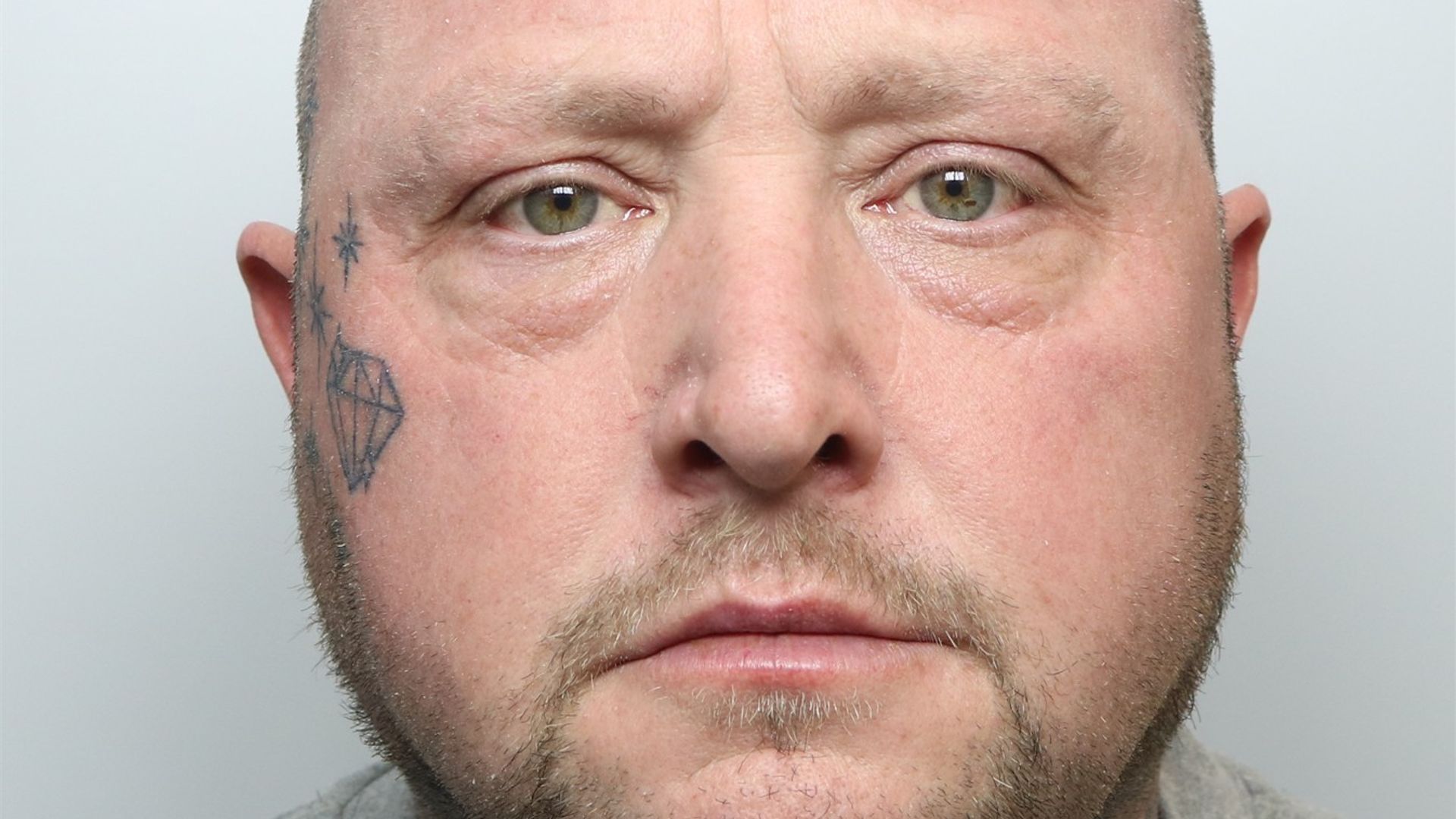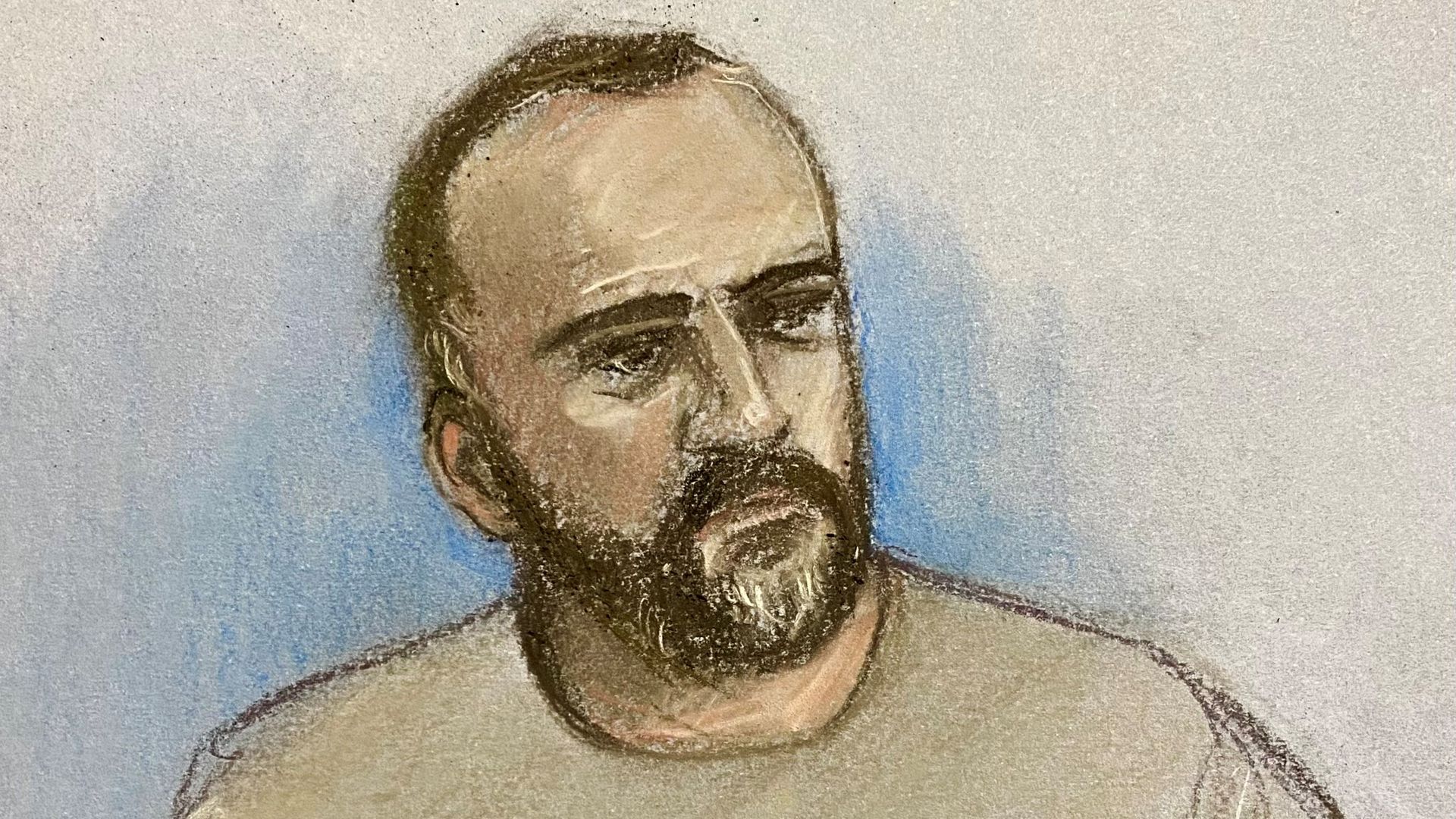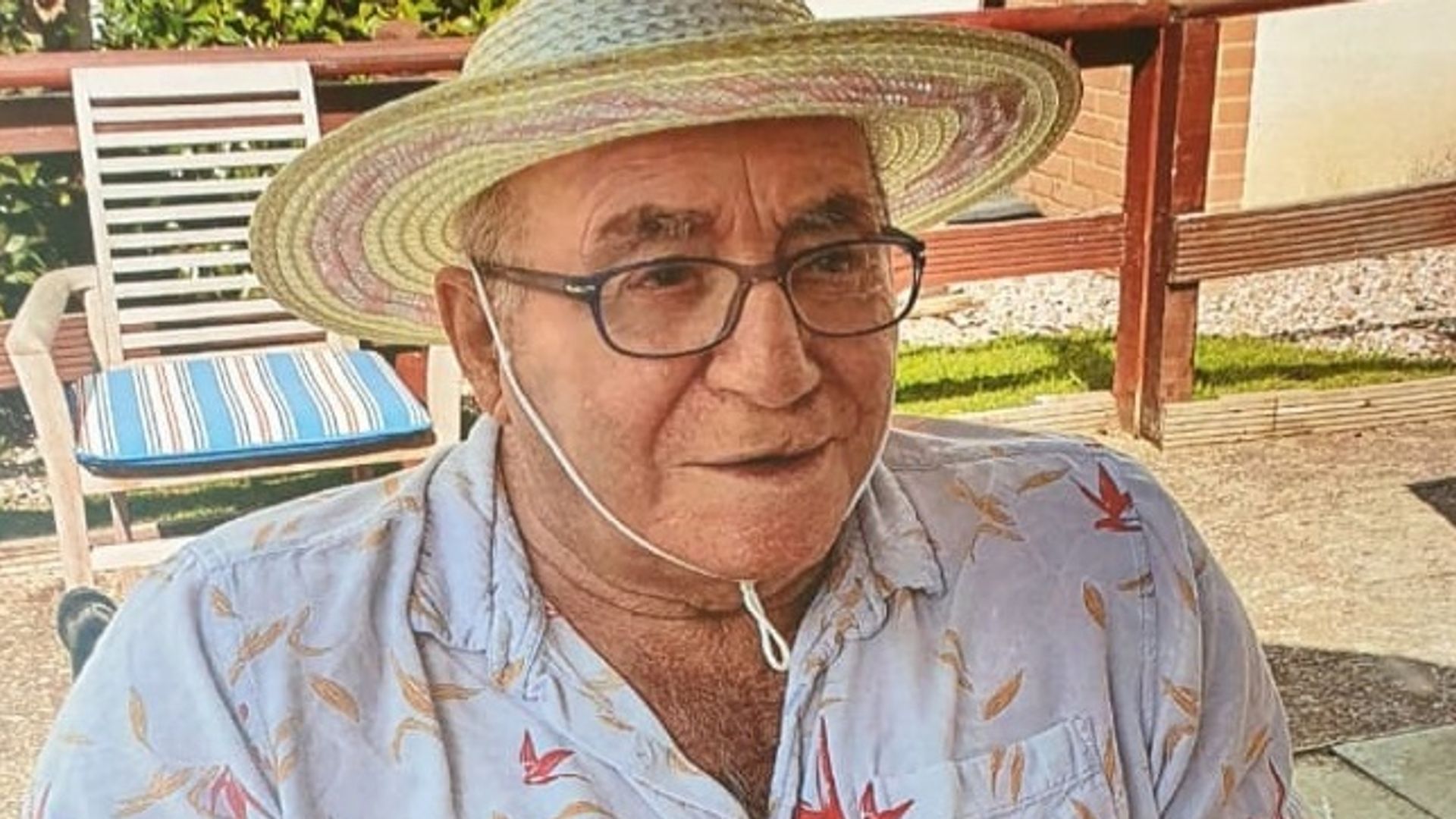
When law enforcement officers deploy a Taser, a baton, and synthetic pepper spray against a 92-year-old wheelchair user with an amputated leg, something has gone catastrophically wrong. That is exactly what happened inside a St Leonards care home in East Sussex when PCs Stephen Smith and Rachel Comotto confronted Donald Burgess. Burgess, a dementia patient, was holding a small cutlery knife. Within ninety seconds of walking into his room, the officers escalated the situation into a violent physical confrontation instead of attempting proper de-escalation.
The incident sparked intense public outrage, a protracted legal battle, and a delayed disciplinary reckoning that raises hard questions about how police handle society's most vulnerable citizens.
The Anatomy of a Flawed Response
Let's look at the timeline. Body-worn camera footage revealed a staggering lack of patience or tactical communication. PC Smith entered the room and immediately threatened Burgess, telling him to drop the knife or risk being sprayed and tasered. Seconds later, Smith discharged PAVA chemical spray directly into the elderly man's face and struck his arm with a baton. Comotto followed up by firing her Taser.
An elderly, frail amputee sitting in a wheelchair was treated like an immediate tactical threat requiring maximum non-lethal force. The Independent Office for Police Conduct later made it clear that this deployment of force was entirely unjustified. Standard policing guidelines emphasize that force should always remain an absolute last resort, particularly when dealing with elderly individuals or people experiencing mental health crises. These officers ignored basic crisis communication protocols.
The Long Road to Accountability
Justice didn't happen overnight. Following the June 2022 incident, a file of evidence went to the Crown Prosecution Service, and the officers faced criminal charges. In May 2025, a court cleared them of assault occasioning actual bodily harm. That criminal acquittal left many observers stunned, believing accountability had hit a dead end.
Burgess himself was taken to the hospital by ambulance after the incident and tragically died 22 days later. While pathologists confirmed that the physical injuries inflicted by the officers did not directly cause or contribute to his death, the psychological and physical trauma inflicted during his final weeks is undeniable.
Criminal courts and internal disciplinary panels operate under different thresholds of proof. Months after the criminal trial concluded, a Sussex Police gross misconduct panel finally delivered the verdict the public demanded. Both Smith and Comotto were dismissed without notice. They are now permanently banned from working in policing again.
Why This Case Still Matters
The dismissal of two rogue officers is necessary, but it does not fix the underlying cultural rot inside certain police units. Adding insult to injury, PC Comotto later posted an inappropriate remark about the incident on Facebook, accompanied by a lightning emoji, exposing a callous attitude toward a vulnerable citizen.
When officers treat a care home room like a hostile combat zone, training protocols need an immediate overhaul. Vulnerable seniors with cognitive impairments deserve protection, not chemical sprays and high-voltage electrical probes. True reform means ensuring that warning signs are caught long before an elderly resident stares down the barrel of a Taser.
Refuse to accept excuses for disproportionate force. Demand better oversight, rigorous mental health training, and zero tolerance for officers who mock the very people they're sworn to protect.
Officers who tasered elderly man sacked
This short video clip provides news coverage and visual context regarding the Sussex Police misconduct ruling and the dismissal of the officers involved.