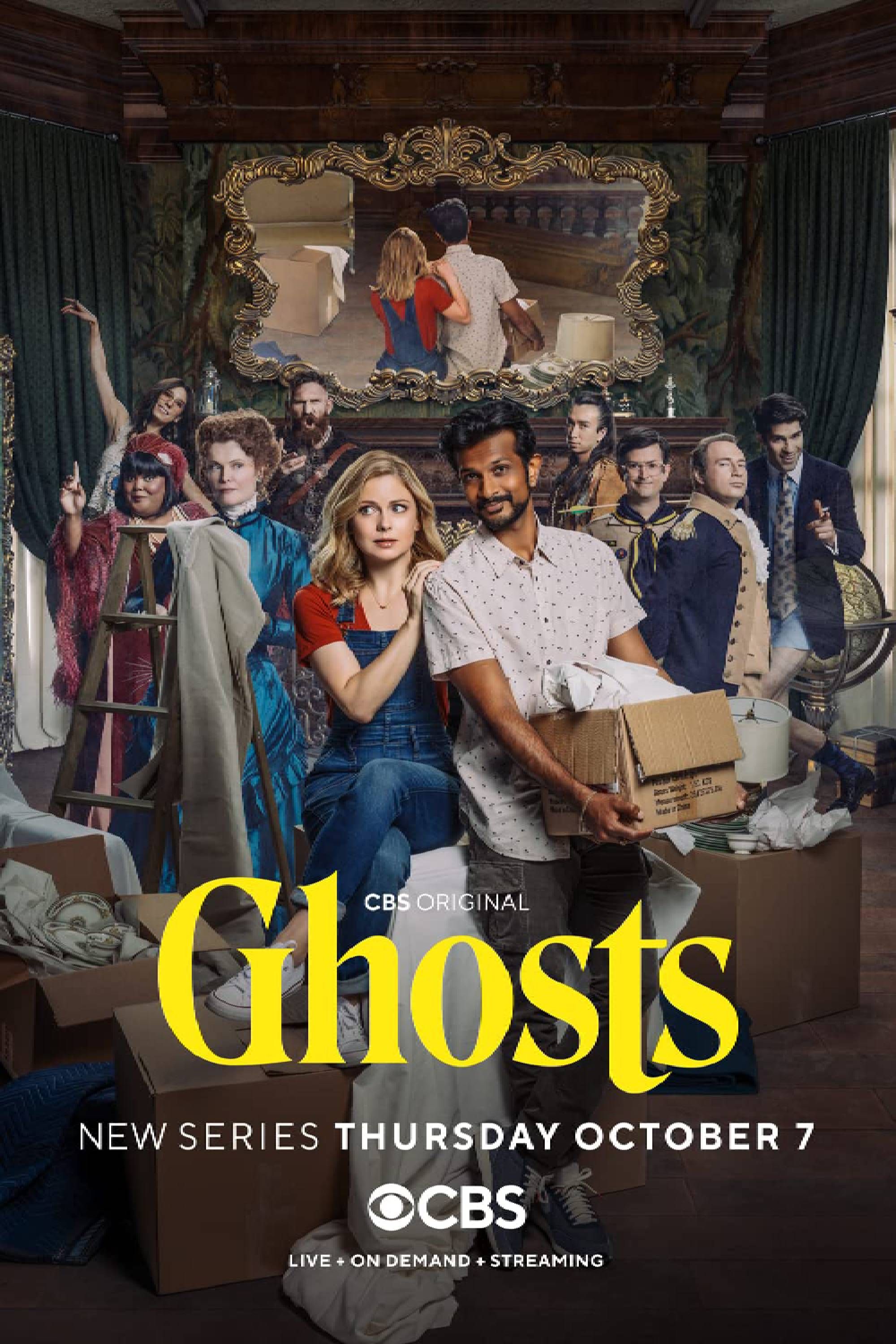
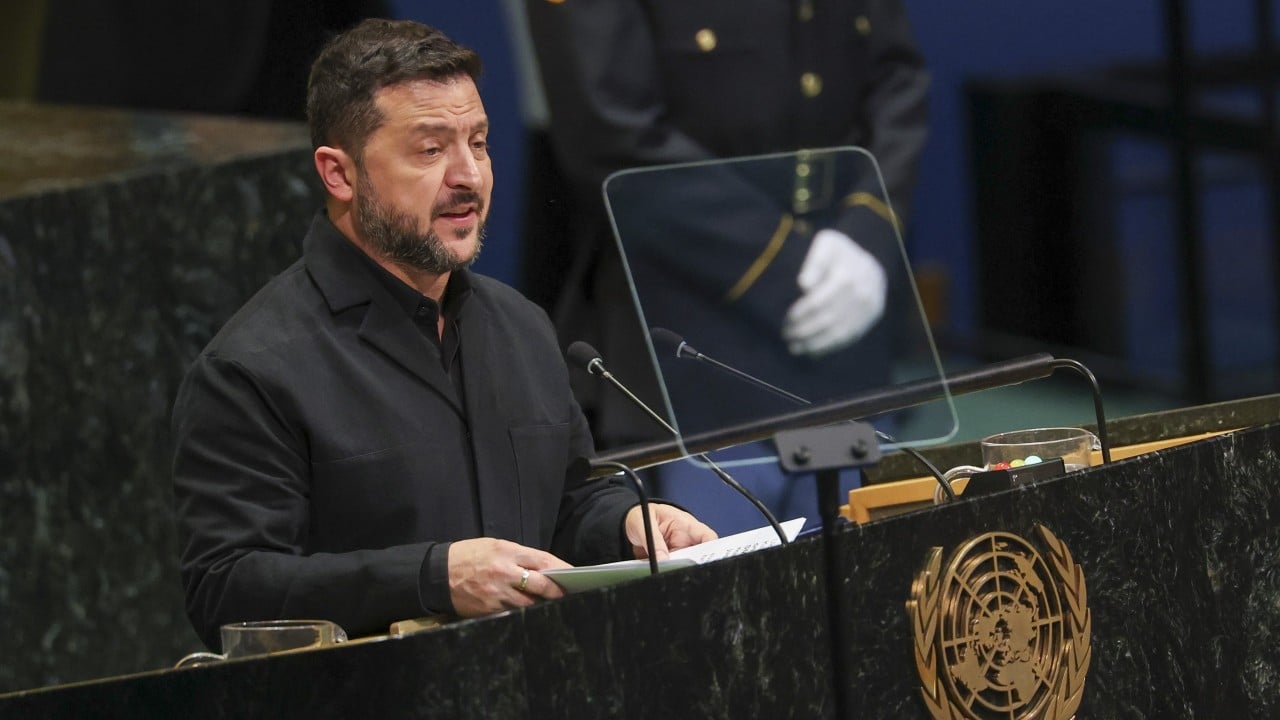
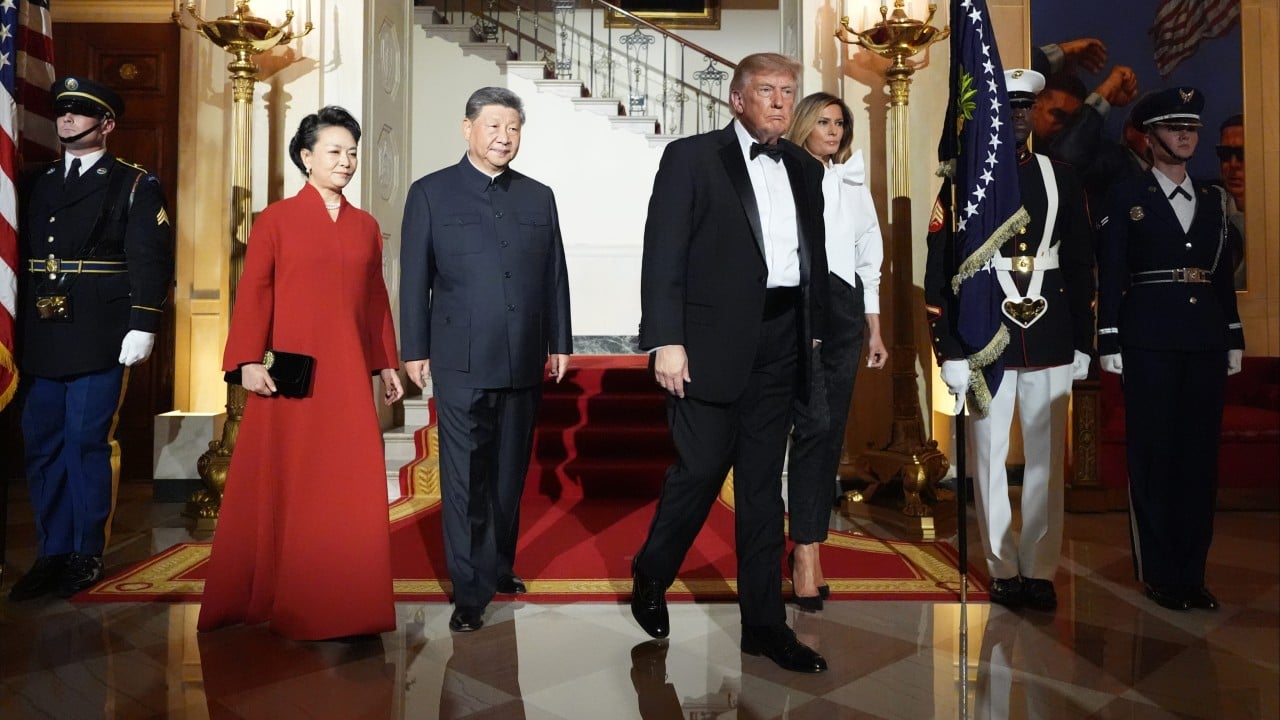
The flashing lights outside the blockade in Manhattan captured every lens on the eastern seaboard. A few recognizable faces from prestige television and indie cinema sat on the asphalt, zip-tied, smiling directly into camera phones as officers hoisted them toward waiting vans. The headlines wrote themselves before the paddy wagon even shifted into gear. Hollywood royalty takes a stand. Stars risk arrest for peace.
It is brilliant theater. It is also an absolute waste of carbon.
For decades, the public has swallowed a lazy consensus: that celebrity civil disobedience applies direct pressure to geopolitical machinery, shifting foreign policy through sheer wattage of attention. Watch any major protest involving famous names, and you will see the same mechanics. The cameras track the handcuffs. The morning shows run the b-roll. Social feeds amplify the soundbites.
Except the machine does not care about your red carpet credentials. In fact, it feeds on them.
When an A-list actor gets arrested at a demonstration in midtown Manhattan, the geopolitical calculus in foreign capitals does not tremble. Defense budgets do not reallocate. Ceasefires are not negotiated in backrooms because a supporting actor from a streaming sci-fi drama spent forty minutes in a precinct holding cell.
Instead, a different transaction occurs. The protest provides the optics. The celebrity provides the hook. The media company monetizes the outrage cycle. And the actual power structures—the arms manufacturers, the intelligence apparatuses, the sovereign state actors—keep turning the gears undisturbed while the public argues in the comments section about whether the actor's posture was authentic enough.
The Economics of Performative Disruption
Let us look at the mechanics of modern activism. Real disruption costs something to the disruptor. It carries career termination risks, financial ruin, or long-term institutional exclusion.
When a multi-millionaire actor participates in a staged civil disobedience stunt coordinated with local public relations firms and union reps, the risk profile is non-existent. Their agents have already cleared the schedule. Their publicists have the press release queued in drafts. Their upcoming project gets a free wave of viral marketing disguised as political martyrdom.
I have watched public relations teams calculate these exact returns for years. You take a burning global crisis, attach a recognizable face to a localized infraction—blocking a bridge, chaining doors, sitting in a lobby—and you buy millions of dollars in earned media for the price of a minor municipal fine and a few hours of waiting for paperwork to clear.
The lazy consensus tells us this brings awareness. Awareness is the cheapest currency on earth. Everyone already knows the conflict is happening. Nobody is sitting in Peoria or Paris scrolling through their phone going, "Wait, is there a war in the Middle East? Good thing Susan Sarandon got zip-tied on 42nd Street, or I would have remained completely in the dark."
Awareness without leverage is just noise. And celebrities have zero leverage over foreign policy. They have leverage over box office returns, endorsement portfolios, and streaming algorithms. The moment they direct that leverage toward something that actually threatens capital flows or legislative compliance—rather than an easily digestible, highly polarized street protest—they are quietly frozen out. As long as they stick to street theater, the doors remain open.
The False Equivalency of Moral Currency
Why do we keep falling for it? Because humans confuse visibility with impact.
We live in a culture saturated by metrics of attention. Views, shares, retweets, and front-page spreads are treated as proxies for power. When an actor with ten million followers posts a mugshot or a video from a protest line, our brains register that as a massive deployment of force.
It is not force. It is vanity disguised as solidarity.
Consider the asymmetry. A government allocates billions to military aid packages or intelligence sharing agreements based on geopolitical strategy, corporate lobbying, and long-term security pacts. Against that behemoth, a group of celebrities sitting in the street chanting slogans is roughly equivalent to throwing a handful of glitter at a charging freight train. You might make the engineer blink, but you are not stopping the locomotive.
Worse, this brand of protest crowds out substantive resistance. It sucks the oxygen out of rigorous, unsexy policy work, investigative journalism, and direct labor organization that could actually constrain the flow of capital and materiel. Why fund an archive or an investigative legal team when you can just throw a celebrity-studded rally and call it a day?
The Real Cost of the Spectacle
The most damaging part of the Hollywood arrest cycle is not that it fails. It is that it infantilizes political discourse.
It reduces complex, generational, blood-soaked conflicts into a binary celebrity casting call. You are either with the famous people on the pavement or you are a heartless monster. Nuance is obliterated. Historical context is compressed into a three-second TikTok hook. The entire geopolitical tragedy becomes an accessory to a star's personal brand maintenance.
Think about the incentives. If an actor wants to remain relevant in an era where attention spans evaporate in seconds, staying on the safe side of progressive moral panic while generating clean, high-contrast imagery is a masterclass in modern personal branding. You look brave, you satisfy your peer group, you generate headlines, and you never have to answer a hard question about your own consumption habits, investments, or the hypocrisies of the global entertainment economy that funds your lifestyle.
Stop calling it bravery. It is marketing with handcuffs.
What Real Leverage Looks Like
If you actually want to alter the behavior of nation-states, you do not sit on a street corner waiting for a sympathetic photographer to capture your best angle. You target the financial plumbing. You target the supply chains, the venture funds, the institutional endowments, and the legislative loopholes that allow these conflicts to be financed in the dark.
That is not glamorous work. There are no cameras there. There is no red carpet waiting after you post bail. It involves spreadsheets, forensic accounting, shareholder resolutions, and relentless, boring pressure applied over years, not hours.
Hollywood stars will never do that en masse because it requires real sacrifice. It requires biting the hand that feeds the luxury ecosystem they inhabit. Sitting in the middle of a Manhattan thoroughfare for twenty minutes before being processed and released into the waiting arms of an SUV is not resistance.
It is an audition for a world that would rather watch a movie about revolution than actually live through one.