Every time a platinum-selling musician slaps their name on a patch of dirt and calls it an educational farm, the public swoops in to hand out participation trophies.
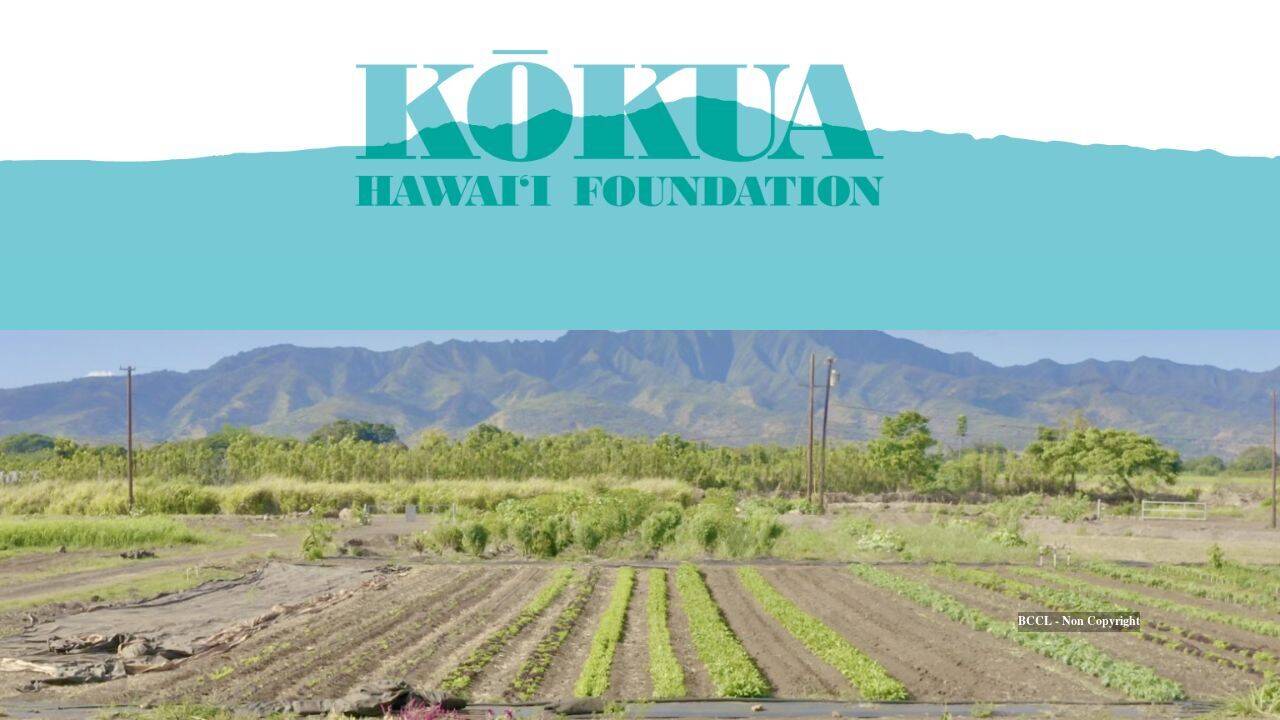
Jack Johnson’s foundation converting neglected Hawaii acreage into a student farm is a classic feel-good headline. Media outlets gobble it up. Fans applaud the eco-friendly philanthropy. The narrative writes itself: pop star saves the soil, teaches the kids, heals the community.
It is a seductive fantasy. It is also an absolute distraction from how agricultural literacy actually works.
I have spent two decades watching well-meaning celebrity endowments collide with the rigid, unromantic economics of food production. I have seen millions of dollars poured into boutique school gardens that teach children how to gently pluck a cherry tomato while completely failing to prepare them for the realities of modern ecological management, regional supply chains, or land stewardship at scale.
We need to stop praising celebrity-backed agricultural vanity projects for merely existing. We need to audit what they are actually achieving.
The Pastoral Fallacy of the School Garden
Let us dismantle the core myth: the idea that putting middle-schoolers in a dirt patch to plant heirloom lettuce constitutes a viable model for agricultural education.
The lazy consensus says that direct contact with soil cures youth disconnection from nature. It sounds profound until you look at the economics and the operational ceiling. Small-scale, hand-tilled school plots are romantic petting zoos for plants. They operate outside the harsh constraints of water rights, pest pressure, market fluctuations, and labor economics.
When a foundation drops capital into a pristine educational farm, it creates a localized incubator that bears zero resemblance to the actual land management challenges of the region. Students walk away thinking farming is a quaint afternoon hobby involving a trowel, a sun hat, and organic compost deliveries funded by a rock star's endowment.
It is not education. It is theater.
Real agricultural competence does not come from watching radishes sprout in a heavily subsidized organic sandbox. It comes from grappling with systems. It comes from understanding hydrology, soil microbiology, cooperative economics, and the brutal mathematics of yield per acre. When a project insulates students from those realities by wrapping the experience in celebrity philanthropy, it infantilizes them.
The Scale Problem Nobody Wants to Talk About
Look closer at the mechanics of these foundation-led conversions. Neglected land does not become a thriving educational asset through good vibes and acoustic guitar benefit concerts. It requires permanent capital expenditure, intensive irrigation engineering, and ongoing maintenance that municipal school districts cannot afford once the initial grant money evaporates.
This is the dirty secret of philanthropic land use. Foundations love the ribbon-cutting ceremony. They love the photo-op of kids holding oversized carrots. But they rarely fund the twenty-year operational tail required to keep that land from reverting to invasive brush the moment the celebrity shifts focus to a new tour or a different cause.
If a student farm cannot survive without perpetual donor life support, it is not a working model. It is a museum exhibit.
By pretending these isolated plots are scalable blueprints for community food security, we actively draw attention away from systemic agricultural failures. We ignore the zoning laws choking local farmers, the consolidation of corporate supply chains, and the genuine vocational training needed to support a regional workforce. We substitute a cute garden for actual policy change.
What Real Agricultural Literacy Looks Like
If we want students to understand food systems, we have to strip away the celebrity worship and look at the hard operational metrics.
Real expertise begins with harsh honesty. Agriculture is an extractive, high-risk science. It involves heavy machinery, strict logistics, and narrow margins. Teaching kids how to drop seeds in a row without teaching them how a regional watershed functions or how agricultural debt works is like teaching someone to steer a car by letting them sit in a parked vehicle turning the wheel.
We must stop treating students like fragile tourists in the natural world. Give them soil science. Give them data on nitrogen cycles. Show them the P and L statements of a mid-sized regional grower who is one bad frost away from bankruptcy. That is not as photogenic as Jack Johnson strumming a ukulele for a circle of eighth graders, but it produces citizens who can actually think critically about food and land use.
The Cost of Complacency
The danger of these feel-good projects is that they inoculate us against demanding real solutions. When a celebrity fixes a localized patch of land, the public assumes the problem of agricultural education is solved.
It is not solved. It is masked.
Every dollar spent propping up a high-profile boutique school farm is a dollar diverted from structural, scalable agricultural education that reaches every public school, not just the lucky few located near a pop star's pet initiative.
Stop celebrating the acreage. Start interrogating the sustainability. Until these educational farms can run on economic reality rather than halo effects, they are just expensive stage props.