The Strait of Hormuz is the world's most critical energy bottleneck. When CENTCOM steps in to safeguard oil transit through these volatile waters, the geopolitical shockwaves instantly hit global markets. You've probably heard bits and pieces about massive crude shipments moving past hostile threats, but the real story goes much deeper than standard military escorts. Let's look at how the United States Central Command managed to secure one billion barrels of crude oil while completely choking off Iranian energy exports.
Why the Strait of Hormuz Keeps Energy Markets Awake at Night
Geography dictates global vulnerability. Roughly a fifth of the world's petroleum supply squeezes through a channel barely twenty-one miles wide at its narrowest point. Iranian forces sit right on the northern shore, holding a geographic dagger pointed directly at tankers moving out of the Persian Gulf.
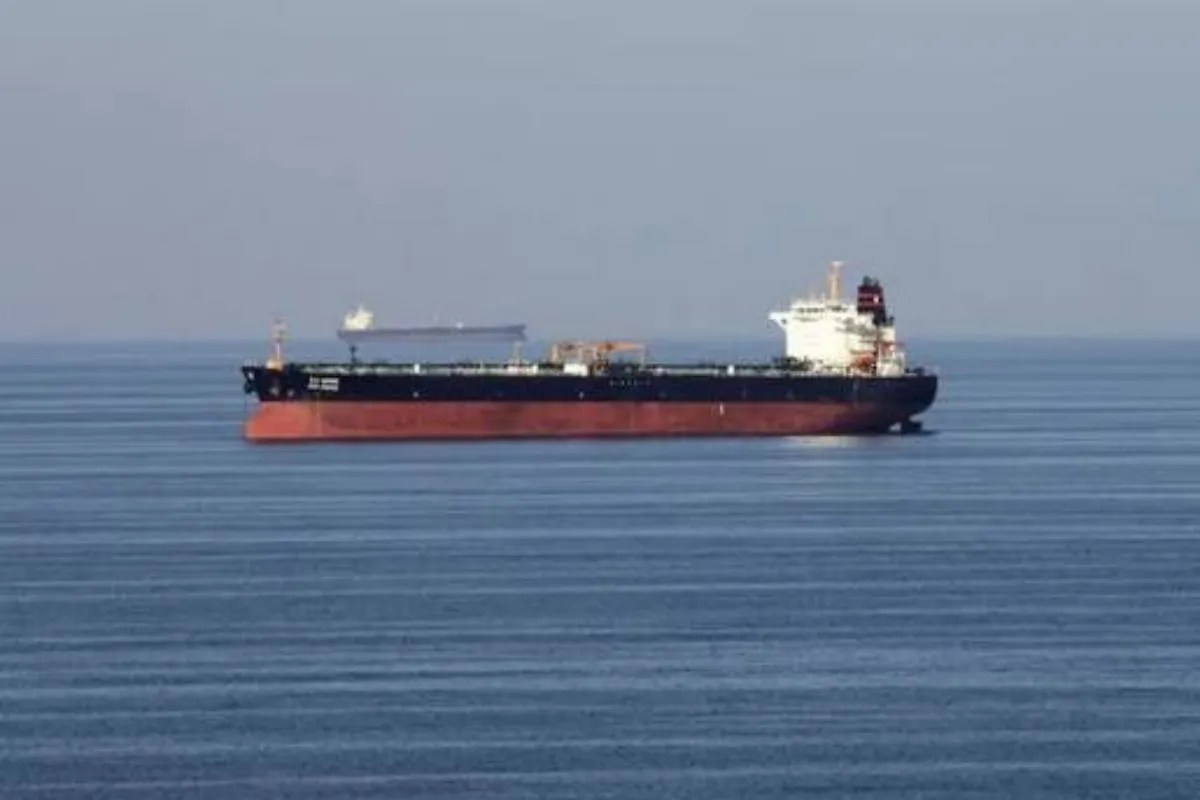
When tensions spike, insurance rates skyrocket. Tanker crews deal with real threats ranging from fast-attack craft swarming shipping lanes to naval mines dropped in the dead of night. For years, shipping companies played a dangerous game of roulette every time they approached the passage.
Then came the heavy operational footprint of CENTCOM. Rather than letting regional actors dictate terms, the US military established persistent naval escorts and aerial surveillance umbrellas. They didn't just watch the waters; they dominated them.
The Mechanics of Securing One Billion Barrels
Moving one billion barrels of crude safely isn't a passive diplomatic exercise. It requires brute force, constant electronic warfare monitoring, and rapid-response capabilities that can neutralize threats in minutes.
CENTCOM deployed guided-missile destroyers, coastal patrol ships, and allied naval assets from the International Maritime Security Construct to shadow commercial tankers. They set up dedicated transit corridors. They monitored communication frequencies to jam hostile drone signals.
Tanker captains operating in the zone experienced a completely different operational reality compared to a decade ago. Every movement had an overwatch. Air support from regional bases provided a constant thermal and radar grid over the convoy routes.
Yet, securing friendly oil was only half the equation. The other half involved economic strangulation.
Choking Off Iranian Crude
While Western-aligned tankers received protection, Iranian ghost tankers faced a relentless interception campaign. For years, Tehran tried dodging international sanctions by turning off transponders, conducting ship-to-ship transfers in the dead of night, and masking cargo origins with fraudulent paperwork.
CENTCOM, working in tandem with intelligence agencies and the Treasury Department, systematically dismantled these evasion networks. Maritime interdiction operations boarded vessels suspected of carrying illicit crude. Tracking algorithms analyzed draft levels, satellite imagery, and erratic routing patterns to catch smugglers red-handed.
The result was devastating for Iran's state budget. With major buyers like China facing increased secondary sanction risks and physical interception threats, Tehran's export volumes plunged. Millions of barrels that once funded regional proxy networks remained locked in storage tanks or stayed in the ground.
The Broader Economic Fallout
Energy markets hate uncertainty, but they hate supply contractions even more. By keeping the sea lanes open for compliant producers in Saudi Arabia, the UAE, and Iraq, CENTCOM prevented catastrophic price spikes that could have wrecked the global economy.
At the same time, the aggressive enforcement against Iranian shipments proved that sanctions actually have teeth when backed by credible military power. Tehran's leverage at the negotiating table shrank proportionally with its export revenues.
You have to look past the press releases to understand the sheer logistical weight of this campaign. It takes thousands of sailors, pilots, and intelligence analysts working around the clock to keep that narrow strip of water open.
Keep an eye on how regional actors respond to these naval deployments. The balance of power in the Gulf isn't shifting away from maritime security anytime soon. When the next tanker departs Ras Tanura, the unseen shield overhead will determine whether the global economy keeps moving or grinds to a halt.