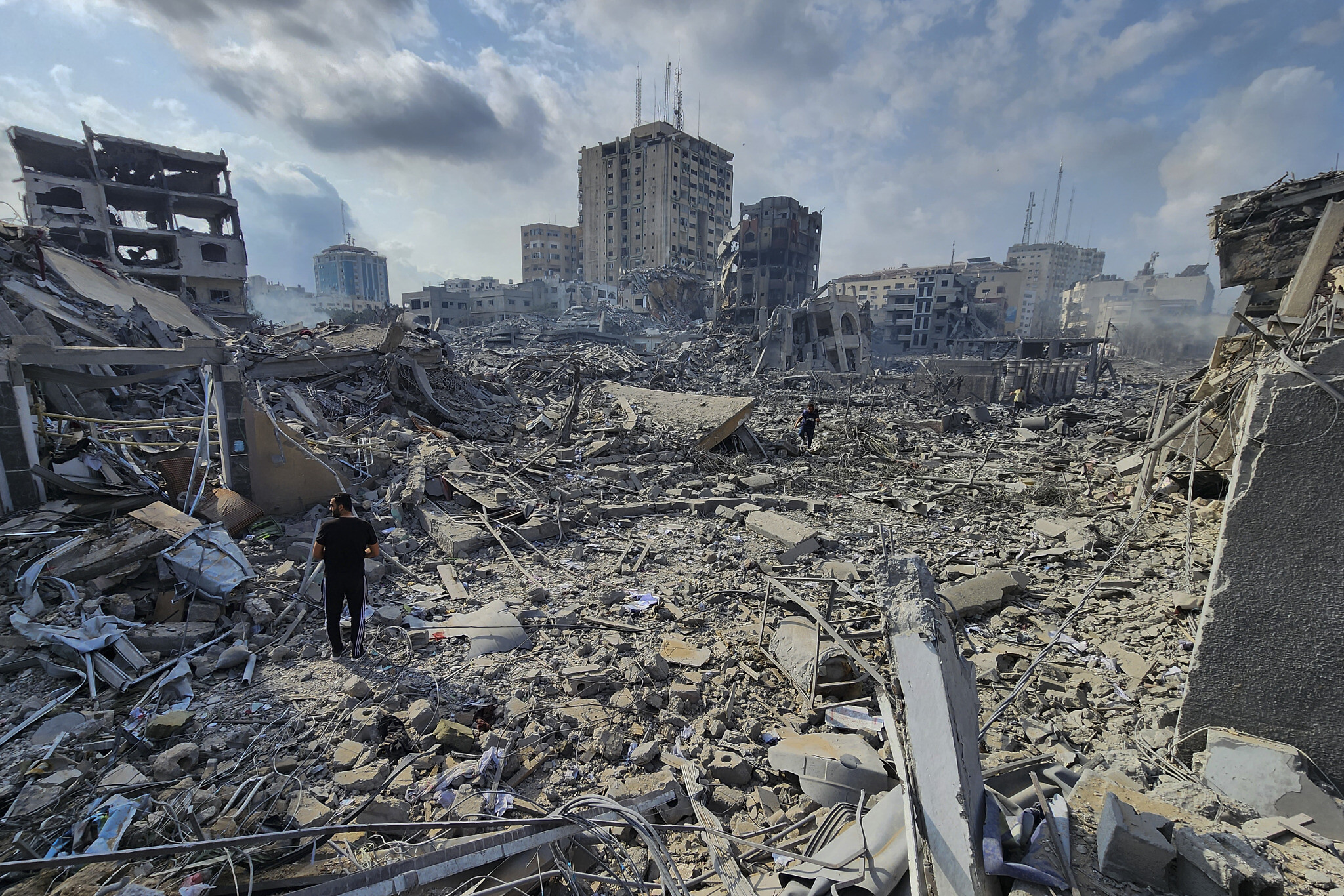
The standard humanitarian narrative treats displacement as a humanitarian crisis of pure victimhood. When media outlets broadcast images of displaced populations sifting through municipal waste sites in search of recyclable plastics or scrap metal, the editorial instinct is immediate, uniform, and lazy. Headlines decry a dystopian breakdown of human dignity. Observers demand more emergency aid packages, higher donor contributions, and stronger international safety nets.
This view gets the economics backward.
What the international press frames as absolute destitution is often an informal, highly resilient decentralized recycling and salvage economy. While state-backed infrastructure crumbles under the weight of conflict, economic sanctions, and institutional decay, self-employed scavengers step into the vacuum. They recover millions of dollars in secondary raw materials, stabilizing localized supply chains without a single cent of bureaucratic overhead.
Strip away the emotional manipulation of the standard journalism template, and you find a harsh economic truth. The people working the garbage heaps are not passive victims waiting for a charity drop. They are autonomous micro-entrepreneurs operating in the only market sector with low enough barriers to entry to guarantee immediate cash flow.
Let us look at the mechanics. When formal banking systems collapse, currency inflates into worthlessness, and state employment vanishes, standard jobs cease to exist. Traditional economic advice tells us that rebuilding requires macro-level foreign direct investment and massive sovereign development loans. That approach fails because capital stuck in government pipelines rarely reaches the ground.
Instead, survival depends on hyper-local commodity recovery. Displaced individuals extracting copper wiring, aluminum cans, and corrugated cardboard from refuse create an improvised industrial feedstock. Local manufacturing workshops buy these materials at a fraction of virgin import costs. By transforming municipal waste into productive inputs, these informal workers keep regional commerce breathing.
The mainstream response wants to rescue these workers by pulling them off the hillsides and putting them into aid camps dependent on foreign flour and bottled water. That policy does not save them; it pauperizes them. It replaces self-generated income with dependency cycles, turning independent economic actors into permanent charity recipients.
Consider the parallel to domestic informal economies across the developing world. From the zabbaleen of Cairo to waste pickers in Latin America, informal recycling networks often outperform municipal sanitation departments in sheer material recovery rates. They achieve higher diversion rates than many subsidized Western green initiatives. Yet policymakers treat these networks as an embarrassment to be eradicated rather than a foundational logistics network to be formalized and optimized.
The flaw in the humanitarian model lies in its refusal to recognize autonomy outside of formal corporate structures. If a worker stands on a street corner in a developed nation collecting cans, economists call it recycling entrepreneurship or hustle culture. If a displaced person does the exact same thing in a developing region, the media brands it as an indictment of global failure. This double standard patronizes the workforce it claims to champion.
A rigorous approach requires shifting the objective from pity to market integration. Instead of shipping container loads of external relief goods that undercut local merchants, the focus should be on fair pricing access, basic safety gear distribution, and protection from corrupt local extortionists who tax informal laborers at the dump sites.
When you criminalize or pity informal recovery work, you destroy the only economic engine keeping families fed without state permission. The people on those hillsides do not need your sorrow. They need deregulation, market access, and the basic respect to be recognized as what they actually are: the most adaptive capitalists left standing in a broken system.
Stop weeping over the garbage heaps and start asking why the formal economy is too fragile to compete with them.