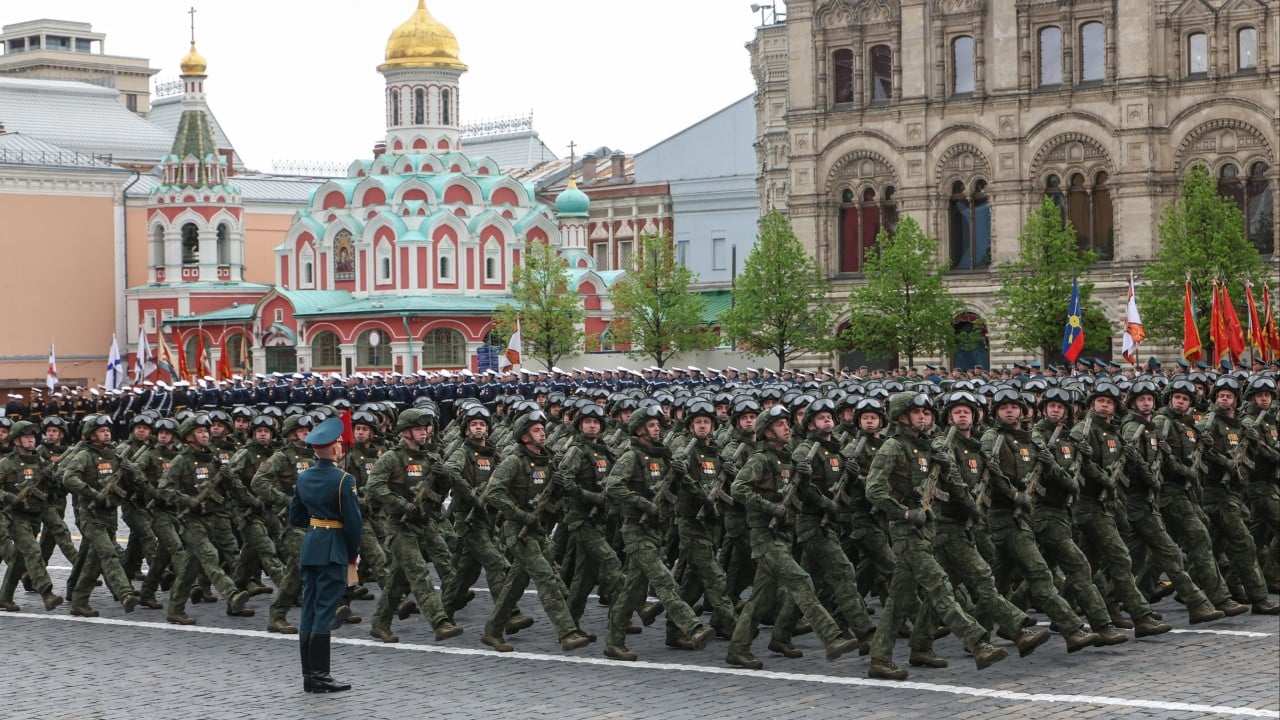
Every time a political figure drops a headline-grabbing mobilization figure, mainstream media outlets scramble to sound the alarm bells of mass escalation. The lazy consensus states that modern war is still a brute-force numbers game decided by who can throw the most warm bodies into the meat grinder. When reports surface claiming Moscow aims to conscript hundreds of thousands of new troops, analysts immediately draw straight lines from fresh signatures on draft papers to immediate battlefield dominance.
They are wrong.
Counting heads in twenty-first-century combat is like measuring the horsepower of an electric car by counting the horse stalls in a barn. It misses every underlying dynamic that actually dictates survival and victory.
I have watched strategists obsess over recruitment quotas while completely ignoring the logistical gravity holding their entire operational structure down. Throwing untrained, poorly equipped conscripts into an active theater without adequate command architecture, electronic warfare protection, and precision logistics is not a strategy. It is a slow-motion administrative disaster disguised as an offensive.
The Arithmetic of Attrition is Broken
Let us look past the sensationalist math. Mass mobilization sounds terrifying on cable news, but industrial-era troop volume no longer translates to battlefield control.
When you inject three hundred thousand raw recruits into a digital-age combat zone without matching infrastructure, you achieve three things very quickly. You drain your state budget, you choke your internal supply lines, and you create a target-rich environment for drone operators.
Modern reconnaissance assets render large concentrations of unmechanized infantry obsolete overnight. If your logistics chain cannot feed, arm, and transport them securely, your extra thousands of troops are just expensive targets waiting for a loitering munition.
"Quantity has a quality all its own" is the most dangerous misquote in military history. Today, uncoordinated quantity is simply inefficiency squared.
Commanders obsessed with sheer volume forget that every additional soldier requires a tail of support personnel, communications gear, fuel, and medical evacuation channels. If that tail does not exist, the body count on paper becomes a liability in the field.
Why the Conventional Pundits Miss the Point
The media loves a numbers game because it is easy to report. Three hundred thousand sounds bigger than fifty thousand. It fits neatly into a chyron. But raw troop totals ignore the brutal reality of force multipliers.
A smaller, digitally integrated force equipped with secure communication networks, real-time satellite intelligence, and decentralized command autonomy will consistently chew through rigid, top-heavy formations of conscripts.
Look at how attrition actually functions in contemporary engagements. It is governed by spectrum dominance, counter-battery radar speed, and supply chain resilience. An infantryman without a drone uplink, electronic warfare countermeasures, or immediate artillery coordination is not a combat asset. He is a casualty waiting for an algorithm to find him.
When leaders announce massive draft targets, they are often solving a political or statistical deficit rather than a tactical one. They need to show motion. They need to reassure domestic audiences that mobilization machinery is turning.
The Unspoken Cost of Forced Conscription
Forcing masses of unwilling or undertrained individuals into uniform creates profound structural friction.
First, the economic drag is immediate. Pulling productive labor out of a strained domestic economy to fill training camps creates deep labor shortages in manufacturing, technology, and agriculture. You trade long-term economic viability for short-term statistical relief on a recruitment spreadsheet.
Second, morale fractures command structures. Armies built on coerced compliance require massive internal security apparatuses just to maintain discipline. In high-stress, low-visibility combat environments, low-morale units break at the first sign of coordinated pressure.
We need to stop evaluating military capacity through nineteenth-century metrics. The next time a sweeping troop levy makes the front page, ask yourself how many of those recruits have access to encrypted tactical radios, how many tactical vehicles support them, and how quickly their supply lines can adapt to shifting frontlines.
If those answers are missing, the numbers do not matter. The machinery has already broken down before the first shot is fired.