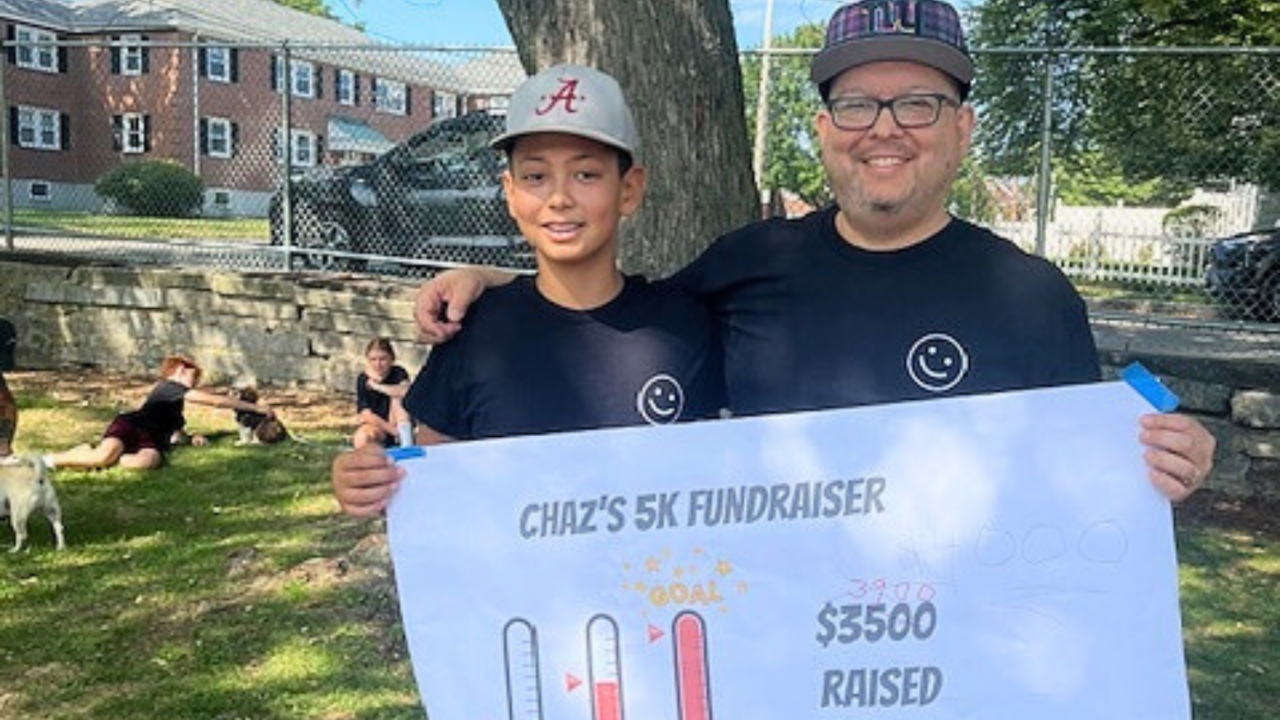
Most thirteen-year-olds complain if Wi-Fi drops for ten minutes. Chaz walked a 5K with a herniated disc and leg weakness so he wouldn't cancel his birthday charity run.
Stories like Chaz's get passed around group chats because they hit a nerve. When a kid deals with nerve pain, a midnight MRI, physical therapy, and real leg weakness—yet still raises $4,000 across medical causes—it makes half the complaints we hear from grown adults sound pretty thin.
Here's what actually stands out about his story once you strip away the sentimental fluff. It isn't just a tearjerker about grit. It's a practical look at what happens when youth fundraising runs straight into a physical wall, how adapting beats quitting, and why kids often build better community habits than adults who wait for "the right time."
What Chaz Actually Pulled Off With a Herniated Disc
For four years in a row, Chaz turned his birthday into a 5K fundraiser instead of treating it like a gift haul. In 2025, his effort brought in $4,000 total: $3,000 for the Pediatric Brain Tumor Foundation and $1,000 for neuroendocrine carcinoma awareness, a rare cancer that hit close to home for his family.
Then his spine threw a wrench into the plan. Weeks before the event, a herniated disc triggered nerve pain and leg weakness, sending him into an MRI scanner at midnight and starting physical therapy.
A lot of people would have pulled the plug immediately. Nobody would have blamed him if he called it off, rested his back, and pushed the fundraiser to next year. Instead, he walked the course alongside supporters while others ran ahead.
Honestly, that choice matters more than the pace on the clock. Walking a 5K with nerve irritation and leg weakness isn't a casual stroll around the block. It's a deliberate call to keep a promise to the people who donated and showed up.
Why a Herniated Disc in a 13-Year-Old Is No Joke
When people hear "herniated disc," they usually picture a forty-something weekend warrior who threw out their lower back moving a couch. Kids and teens get them too, though they're less common than in older adults.
A spinal disc sits between vertebrae and acts like a shock absorber. When the softer inner material pushes through a tear in the tougher outer ring, it can press on nearby spinal nerves. According to health resources like the Brain & Spine Foundation, that nerve irritation can cause pain, tingling, numbness, or weakness radiating into a leg.
Leg weakness isn't something to shrug off. In spine care, real motor weakness or worsening neurological symptoms is a signal to take medical evaluation and physical therapy seriously rather than "pushing through" blindly. Walking a measured, supported 5K under guidance is one thing. Ignoring red flags or forcing heavy impact is another.
What smart athletes and physical therapists usually emphasize is graded adaptation. You don't have to blow up your entire life because one plan gets disrupted, and you don't have to act reckless to prove you're tough. Changing from running to walking let Chaz honor the event while respecting that his body wasn't operating at full strength.
Why Youth Fundraising Works Differently Than Adult Campaigns
Adults overcomplicate charity. We argue over tax structures, obsess over polished branding, wait for corporate sponsors, and burn out before we even launch a page.
Kids tend to start with simpler fuel: a clear reason, family backing, and friends who actually show up. Chaz didn't stop at a single birthday race, either. Along with his group—the "Chaz Bus Crew"—he aimed for monthly community acts, joined a 50/50 auction tied to the Boston Celtics and the Pediatric Brain Tumor Foundation's "Move4Heather" effort, and helped organize a winter grocery gift-card drive with local treats.
That mix of one anchor event plus smaller monthly actions is smart. A once-a-year run creates a spike of attention, while smaller local drives keep neighbors involved when nobody is thinking about race bibs.
Where Feel-Good Stories Can Mislead You
Let's be real for a second. Viral feel-good stories have a blind spot. They sometimes make it look like sheer willpower solves every problem, or like one kid's $4,000 fundraiser fixes systemic medical gaps.
It doesn't. Cancer research and family support programs need sustained funding, clinical progress, and broader community backing far beyond any single bake sale, auction, or 5K. And pushing through pain without medical guardrails can backfire fast.
The real lesson isn't "ignore pain and run anyway." It's that consistency beats grand gestures, and adapting your method keeps momentum alive when life gets messy.
How to Turn a Personal Milestone Into Real Community Help
If you're thinking about doing something similar—for yourself, your kids, or your local group—skip the grand, overwhelming blueprint and start small.
- Pick a real anchor date: Tie a fundraiser or drive to a birthday, anniversary, or season change so there's a natural deadline.
- Split the focus if it fits: Pairing a broader charity with a local or personal cause can rally wider circles, as long as tracking stays clear.
- Build a "show-up" crew: A small group of reliable friends or family members—like a personal crew—does more than a hundred passive social media likes.
- Have a low-impact backup plan: Weather, illness, or injury happens. Decide ahead of time how to scale or walk instead of canceling everything at the first snag.
- Add one small monthly habit: Pair one bigger event with simple monthly drops—groceries, books, or supplies—so giving feels normal rather than dramatic.
Chaz showed that a teenager with a bad back can still rally people around something bigger than himself. Pick one cause, set a date this month, and get a small crew moving.