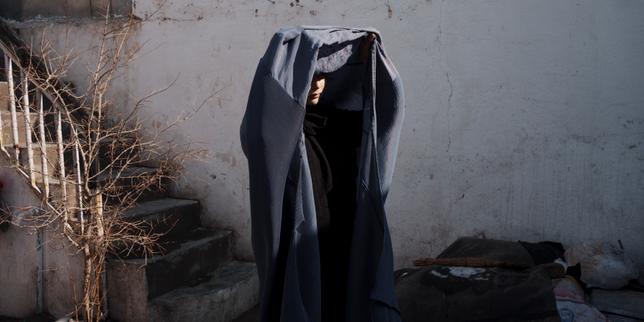
You can hide your thoughts, but in Chengdu right now, you cannot hide your beliefs from your employer. Public institutions in southwestern China's economic hub are rolling out sweeping measures requiring workers and students to put their personal faith on paper.
Leaked internal documents show that a public hospital in Chengdu recently ordered a mandatory survey of all personnel. Permanent doctors, contract nurses, and temporary staff were all told to declare their religious affiliations. Nobody was allowed to opt out.
This isn't just about healthcare corridors. The dragnet reaches deep into classrooms and lecture halls across Sichuan province.
Inside the Workplace Surveys
When a public hospital tells you to fill out an ideological disclosure form, you don't have many good choices. According to internal notices, the facility launched the survey under the banner of ideological and ethnic work guidelines.
Workers faced strict rules:
- Every single employee had to submit a form.
- Omitting details or hiding affiliations carried professional risks.
- Workers without any faith had to explicitly register as having "no religious belief".
For members of the Chinese Communist Party, the rules are absolute. Party members face a total ban on holding or practicing any religion. Anyone else with religious ties was forced to report directly to their local Party branch.
Workplace proselytizing is completely outlawed. The state views any competing system of thought as a direct challenge to institutional loyalty.
The Classroom Pipeline
The scrutiny doesn't stop when employees clock out. It filters down to children and teenagers.
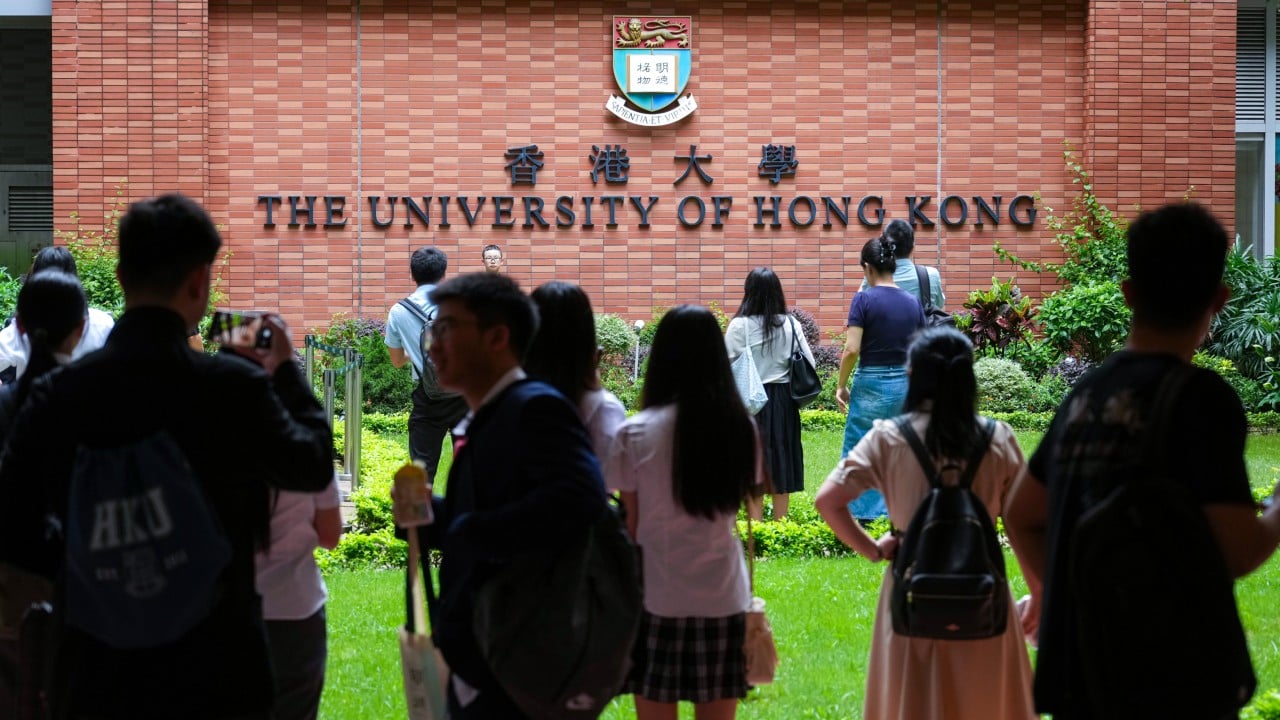
Education authorities in Chengdu now routinely mandate background checks on incoming students and their families. Administrative staff at regional universities confirm that schools actively compile logs detailing the personal beliefs of students' parents.
These files don't stay local. Officials gather the data before academic terms begin and pass the profiles up to higher administrative levels.
Think about what that means for a family living in Chengdu. Sending a child to school now involves submitting to ideological vetting that reaches into the living room. Parents aren't just evaluating curricula anymore; they're worrying about how their own backgrounds might affect their children's educational standing.
The Broader Political Logic
Why tighten the screws now? Beijing has made it clear that ideological management is a top priority. Under the banner of the Sinicization of religion, authorities expect all groups to align completely with official political and cultural doctrines.
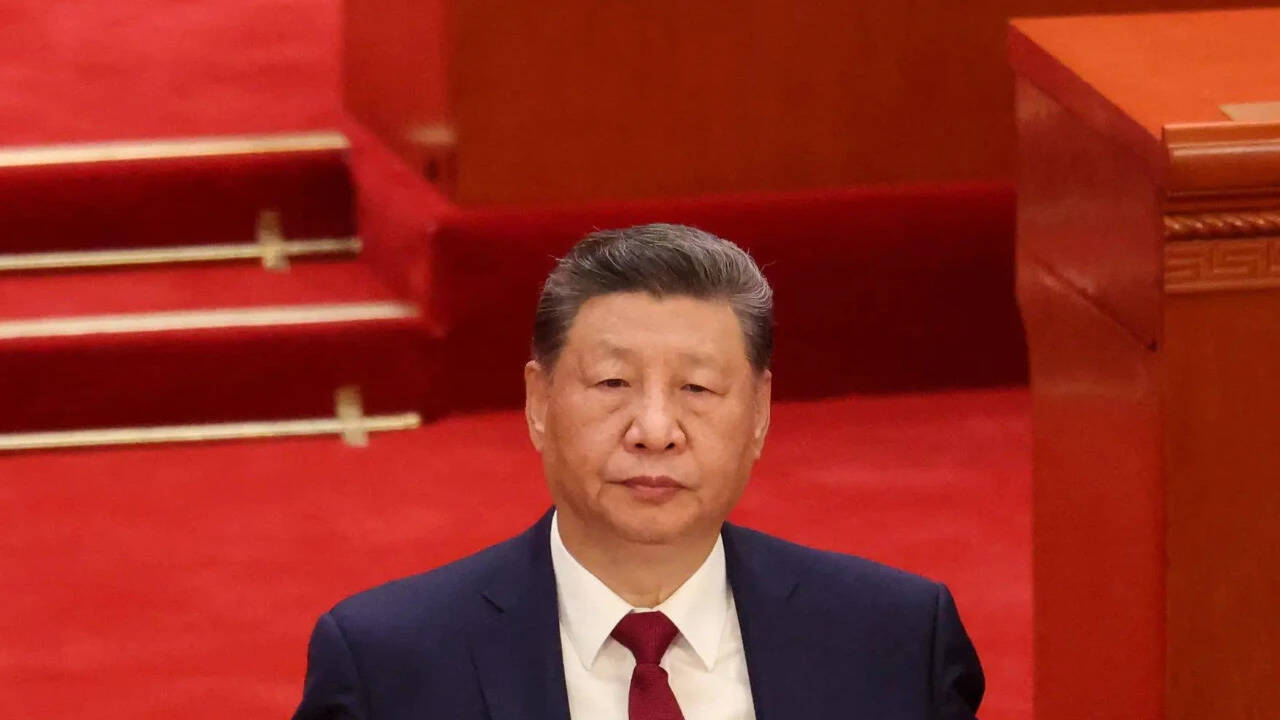
Top leadership has repeatedly emphasized tightening Party control over religious affairs. Translating that macro-policy into local action means deploying forms, surveys, and mandatory check-ins at hospitals and universities in cities like Chengdu.
When public institutions treat personal faith as a compliance metric, the boundary between professional duty and private conscience disappears. For workers and students caught in the middle, navigating daily life just got a lot more complicated.