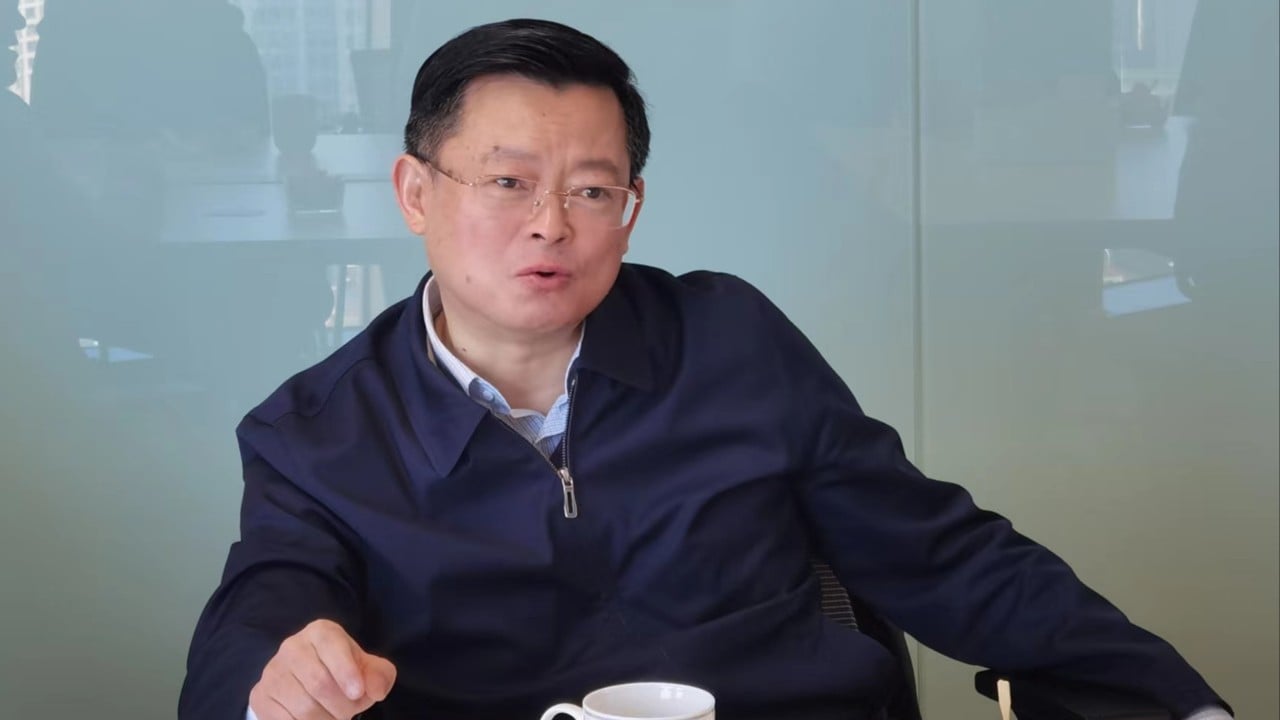
You can walk away from your desk, but you can't always walk away from your past. Zhang Jianhua just found that out the hard way. A Chinese court handed the former defense technology overseer a 10-year prison sentence for a massive bribery scheme spanning nearly two decades.
If you think retirement offers safety from state scrutiny, think again. Zhang’s case exposes how deep Beijing's ongoing military purge really goes. It reaches past active duty officers and targets the shadowy networks left behind by retired bureaucrats.
Inside the Zhang Jianhua Case
Zhang served as the deputy head of the State Administration of Science, Technology and Industry for National Defense, known as SASTIND. That office controls the purse strings and approvals for the country's military hardware development. It's a goldmine for corruption.
The Intermediate People's Court of Dazhou in Sichuan province laid out the grim math. Between 2008 and 2025, Zhang pocketed over 55 million yuan, roughly 8.15 million US dollars.
Most people assume bribes stop when an official hangs up their hat. Zhang proved that theory wrong.
From 2021 to 2025, long after his retirement, he kept cashing in. He leveraged his old connections and prestige to secure project contracts and business operations for friendly actors, pulling in another 11.7 million yuan on top of his active-duty collections. Post-retirement influence peddling has become a primary target for investigators who realized that old bureaucrats never truly lose their touch. They just change offices.
The Mechanics of Military Graft
Why do defense regulators keep falling into the same traps? The answer sits in the absolute mountains of cash funneled into military modernization.
When you control administrative approvals, equity investments, and project reviews for high-tech weaponry, contractors line up to buy your favor. Zhang directed the military project review center at SASTIND during his career. That position gave him absolute chokehold power over who got funded and who got frozen out.
Contractors didn't just hand him cash for immediate favors. They played the long game. They built relationships meant to pay dividends years down the line, even after the official traded their government ID for a retirement badge.
The court split Zhang's charges into two distinct buckets: traditional bribery during active service and influence peddling after stepping down. Breaking it down like this signals a legal shift. Beijing wants to make sure retired officials understand that their network remains state property, not a personal consulting firm.
Why China's Purge Targets Defense Supply Chains
This sentencing isn't an isolated event. It fits right into a broader, aggressive campaign led by President Xi Jinping to clean out the People's Liberation Army and its associated industrial base.
Estimates suggest that over half of senior military positions have faced investigations or purges over recent years. Think about that number. Half of the top brass.
When a superpower tries to build a world-class fighting force, internal rot becomes an existential threat. Defective equipment, inflated procurement costs, and compromised supply chains can destroy a military faster than any foreign adversary. By locking up former regulators like Zhang, the state is sending a blunt message to current operators. No one is too high-ranking to touch, and no retirement package is golden enough to protect you.
Why He Got Off With Ten Years
Ten years might sound surprisingly light for pocketing millions in state funds. The official court record explains the math behind his leniency.
Zhang didn't fight the charges to the bitter end. He surrendered voluntarily, spilled secrets about bribery facts investigators hadn't even discovered yet, and pleaded guilty. He expressed public remorse, and authorities successfully recovered every single penny of his illicit gains back into the state treasury.
Cooperation pays off under the Chinese legal system. When targets roll over and hand back the cash, courts routinely shave years off the final number.
The era of clean breaks after government service is over. If you build your career on state contracts, the bill always comes due eventually.