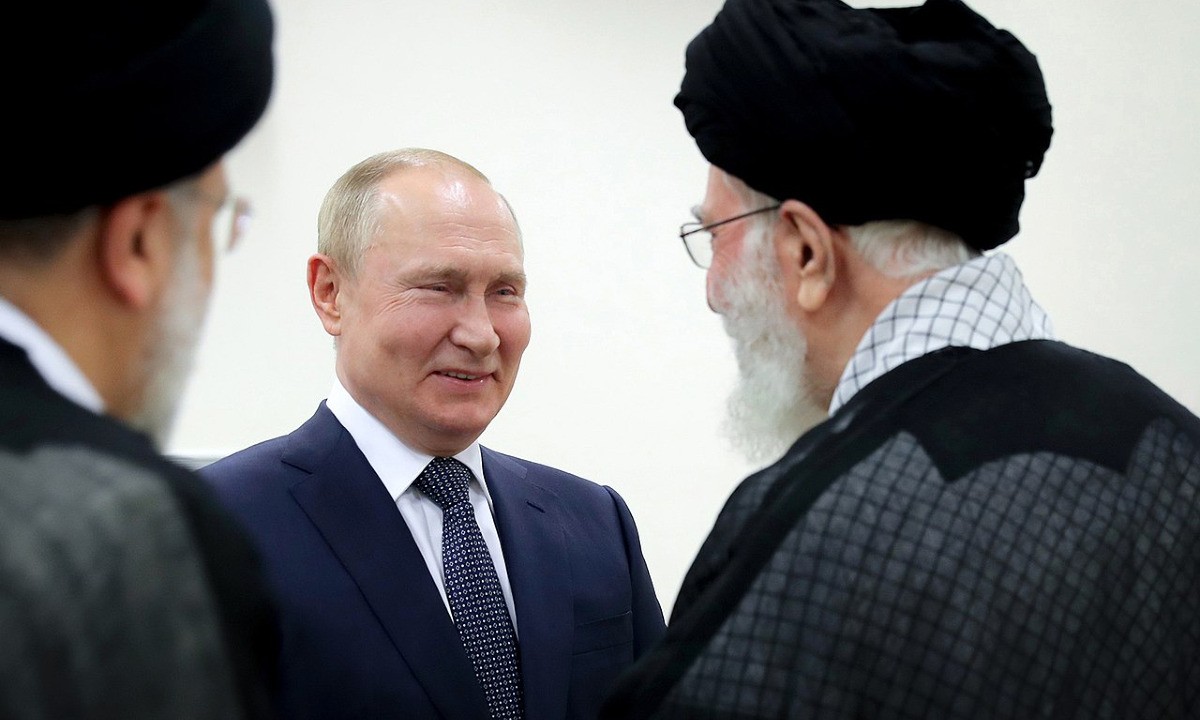
China’s Foreign Minister Wang Yi just finished a high-stakes call with Tehran, and if you're looking for a simple "I support you" message, you’re missing the bigger picture. Beijing is walking a tightrope that's getting thinner by the second. On one side, they’re defending Iran’s right to exist and hold its borders. On the other, they’re basically begging the Islamic Republic to keep the oil flowing through the Strait of Hormuz.
It’s a classic case of wanting your cake and eating it too. China needs Iran as a strategic partner to counter US influence, but they can't afford a global energy heart attack if that 21-mile-wide stretch of water gets shut down.
The Sovereignty Argument is More Than Just Talk
When Wang Yi says Iran’s "sovereignty, security, and national dignity" must be respected, he’s not just being polite. He’s signaling to Washington and Tel Aviv that China won't sit quietly if there’s an all-out attempt at regime change or a full-scale invasion. For Beijing, Iran is a massive piece on the geopolitical chessboard. It’s a core member of the BRICS+ group and a vital node in the Belt and Road Initiative.
But there’s a massive "but" here.
While China backs Tehran’s right to defend itself, they’re clearly spooked by the prospect of a permanent maritime blockade. The Strait of Hormuz handles about 20% of the world’s oil. If Iran closes the tap or if the US blockade turns into a permanent shooting gallery, China’s economy—already facing its own headwinds—takes the first and hardest hit.
Why the Strait of Hormuz is Chinas Red Line
You’ve probably heard people call the Strait a "choke point," but that doesn't quite capture the anxiety in Beijing. Honestly, it’s more like a jugular vein. China is the world’s largest importer of crude oil, and a huge chunk of that comes right through those narrow waters.
In the recent call with Iranian Foreign Minister Abbas Araghchi, Wang Yi didn't mince words about "freedom of navigation." This is diplomatic code for: "Don't you dare close the strait."
- The Energy Factor: China buys millions of barrels of Iranian oil—often at a discount—but they also rely on the Saudis and Emiratis who use the same route.
- The Mediation Game: By calling for "normal navigation," China is trying to position itself as the adult in the room. They want to show the world they can manage Middle East chaos better than the US can.
- The Trump Variable: With the US administration ramping up pressure and talk of a "total blockade" of Iranian ports, Beijing is trying to find a "rational and realistic" middle ground before things spiral into a world-ending conflict.
Xi Jinpings Four Propositions
Beijing isn't just winging this. This latest push follows President Xi Jinping’s "four propositions" for Middle East peace. It’s a framework that sounds great on paper: peaceful coexistence, respect for sovereignty, following international law, and mixing security with development.
In reality, it’s a way for China to say they’re not interested in the "forever wars" the US has been accused of. They want a "Chinese approach," which basically means: everyone stop shooting, start trading, and let us help build your bridges (literally).
But here’s the problem. Iran is feeling cornered. Tehran has hinted that if their ports are neutralized by US pressure, "no port in the Persian Gulf" will be safe. That's a direct threat to the very stability China needs to keep its factories running. Wang Yi’s job right now is to convince Tehran that staying "rational" is better than going "nuclear"—metaphorically and literally.
The Reality of the US Iran Standoff
The current situation is at a "critical juncture." We’re seeing a weird mix of secret peace talks in places like Islamabad and overt military threats in the Gulf. China is using its leverage as Iran’s biggest customer to keep them at the negotiating table.
Don't mistake this for a total alliance, though. China won't go to war for Iran. They’ll provide diplomatic cover and keep the checkbook open, but they expect the Strait to stay open in return. If Iran decides to use the "Hormuz Option" to retaliate against US sanctions, the friendship with Beijing will face its first real breaking point.
If you’re tracking these developments, keep a close eye on the shipping insurance rates in the Gulf and the tone of the next few calls between Beijing and Riyadh. China knows it can't just support Iran in a vacuum; it has to keep the Arab states on board too.
The next few weeks will decide if China’s "window of opportunity" for peace is real or just a mirage in the desert. Watch the movement of Chinese tankers like the Rich Starry. Their willingness to navigate the strait tells you more about the actual security situation than any official press release ever will.