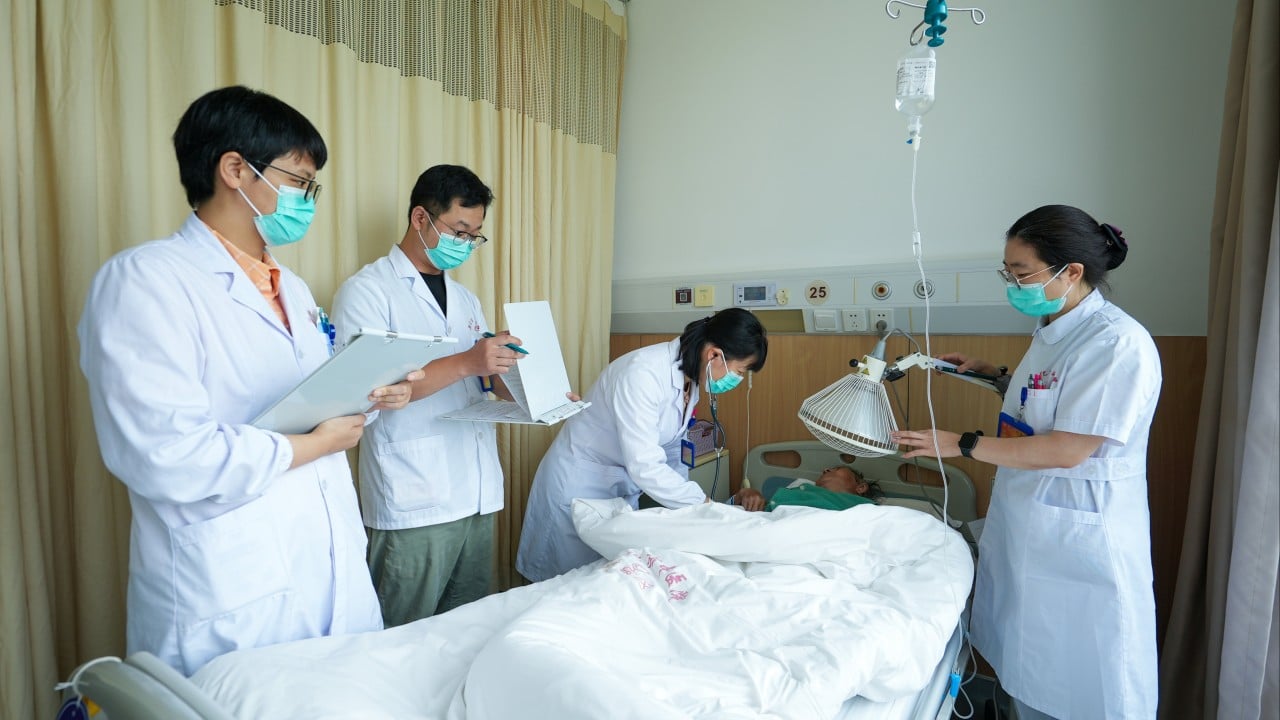
The white coat has lost its luster. For generations, entering the medical profession in China meant stepping onto an unquestioned pedestal of social prestige, stable income, and familial pride. Today, that foundation is fracturing beneath the weight of grueling hours, meager compensation, and a rigid training pipeline that treats young clinicians less like apprentices and more like disposable labor. As thousands of bright graduates quietly pivot toward alternative careers or emigrate, the crisis extends far beyond hospital walls. It threatens the operational bedrock of the world's most populous healthcare system.
At the core of the exodus lies a structural bottleneck known as the standardized residency training program. Established to modernize medical standards and align clinical competence with international benchmarks, the system inadvertently created a modern indenture. Medical graduates holding advanced degrees find themselves thrust into low-paid residency posts where monthly stipends barely cover basic urban rent, let alone student loans or family support. Working hours routinely exceed eighty hours a week, punctuated by overnight shifts that blur into days. When financial desperation meets physical exhaustion, the psychological toll becomes a catalyst for permanent departure.
The institutional rationale for this system relies on the assumption of deferred gratification. Hospital administrators and policy architects argue that paying dues during residency is a necessary rite of passage, culminating in high earning potential and job security down the line. Yet, that long-term promise is evaporating. The healthcare labor market is saturating in major metropolitan centers, and public hospital budgets are tightening under the strain of local government debt and healthcare reform mandates. Junior doctors look at senior attendens trapped in bureaucratic exhaustion and administrative overload, and they realize the promised payoff is a mirage.
Understanding why young talent is turning away requires examining the intersection of economic pressure and cultural expectation. Chinese medical students endure one of the most punishing educational gantlets on the planet, often spending eight or more years in rigorous university programs. By the time they enter the workforce as residents, they are already older than their peers in other industries, carrying high opportunity costs. When they discover that entry-level hospital pay lags significantly behind tech sector starting salaries or even basic administrative roles, the disillusionment is swift.
Compounding the financial friction is the volatile environment of clinical practice. Doctor-patient relations in public hospitals remain fraught with tension, driven by unrealistic patient expectations, resource scarcity, and systemic mistrust. Trainee doctors frequently bear the brunt of this friction on the front lines of emergency departments and crowded outpatient clinics, absorbing verbal and sometimes physical abuse with minimal institutional protection. When a young clinician weighs the personal risk, the relentless physical strain, and the modest financial return, the math simply fails to add up.
The downstream consequences of this talent drain are already manifesting in subtle, alarming ways. Regional hospitals in second- and third-tier cities struggle to recruit qualified graduates, widening the healthcare quality gap between affluent coastal megacities and China's vast interior. Meanwhile, top-tier institutions in Beijing and Shanghai report mounting vacancies in critical specialties such as pediatrics, emergency medicine, and obstetrics—fields characterized by high stress and high malpractice exposure.
Reform efforts have been slow and fragmented. While the central government periodically issues guidelines urging hospitals to improve junior staff welfare and rationalize workloads, implementation at the facility level remains inconsistent. Hospital directors face intense pressure to maintain high patient volumes and lower operational costs, incentivizing them to squeeze maximum labor out of resident doctors who have little bargaining power. Until policy changes are backed by enforceable financial penalties and rigorous oversight, marginal adjustments will do little to stem the outflow.
The systemic erosion of the medical pipeline serves as a stark warning for any developing economy attempting to rapidly scale advanced services while neglecting the human infrastructure required to sustain them. When the cost of healing others becomes self-destruction, the smartest minds simply stop applying. The future of medicine in the country will not be decided by hospital expansion plans or high-tech diagnostic equipment, but by whether the next generation of healers decides the sacrifice is worth making.