The steel underfoot never stays still. If you stand on the deck of a guided-missile destroyer in the Strait of Hormuz, you feel a low, rhythmic thrumming. It vibrates through your boots, a constant reminder of the massive engines keeping thousands of tons of lethal gray metal afloat. The air smells heavily of salt, diesel, and a thick, oppressive humidity that clings to your skin like a wet blanket.
To the left, the jagged, sun-bleached cliffs of Iran rise out of the haze. To the right, the coast of Oman. Between them lies a strip of water so narrow that, from the bridge of a ship, the world feels claustrophobic.
This is not a abstract geopolitical chessboard. It is a highway.
Every single day, dozens of massive supertankers plow through these waters, carrying roughly a fifth of the world’s petroleum. They are slow, lumbering giants, moving at a snail's pace through a corridor where the shipping lanes are only two miles wide. If those lanes close, lights go out in cities thousands of miles away. Factories stall. Gas prices at neighborhood pumps skyrocket. The global economy does not just stumble here; it can suffer a cardiac arrest.
The tension is invisible until it suddenly isn't.
Imagine a young sonar technician or radar operator sitting in the dim, blue-lit interior of a combat information center. Let’s call him Miller. He is twenty-one years old, fueled by stale coffee and the heavy weight of responsibility. His eyes are locked on a glowing screen. For hours, nothing changes. It is a grueling exercise in monotony.
Then, a blip appears.
It is not a commercial airliner, nor is it a friendly patrol plane. It is small. It is fast. It is moving with deliberate, aggressive intent toward the ship. Within minutes, another track appears. Two uncrewed aerial vehicles—drones—launched from the Iranian coast, humming across the water toward the American naval presence.
In the belly of the ship, the atmosphere shifts instantly. The silence is absolute, broken only by the clipped, rapid-fire language of military protocol. There is no room for hesitation. A drone in modern warfare is not just a camera in the sky; it is a precision-guided flying bomb, capable of tearing through steel and ending lives in a flash of fire.
The order is given. The ship’s defense systems engage.
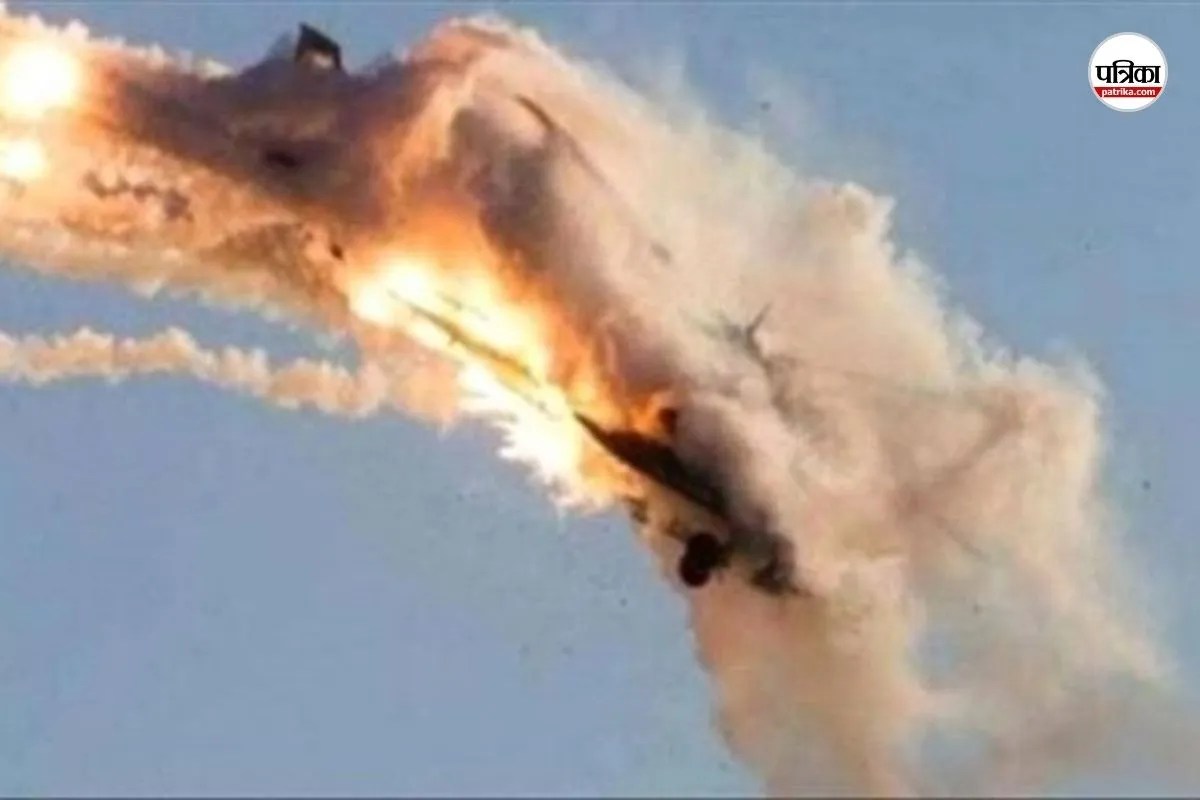
There is a deafening, buzzsaw roar from the upper decks as a close-in weapon system fires thousands of rounds per minute, or the sharp, echoing boom of a missile leaving its vertical launch cell. The tracking lines on Miller’s screen merge, falter, and then vanish. Two splashes in the Persian Gulf. Two threats neutralized.
The immediate danger passes. The ship breathes. But the broader crisis only deepens.
The dry news reports framed this event as a sterile exchange of technical capabilities: US military shoots down two Iranian drones in the Strait of Hormuz amid rising tensions. That headline tells you what happened, but it entirely misses the point of why it matters, and what it feels like to live in the shadow of this quiet war.
To truly understand the stakes, we have to look past the hardware and look at the geometry of the strait itself.
   [ Iranian Coastline / Jagged Cliffs ]
===========================================
    Incoming Iranian Drones:  * *
-------------------------------------------
  [ Two-Mile Wide Inbound Shipping Lane ]
    ▲ Supertankers carrying 20% of global oil
-------------------------------------------
  [ Two-Mile Wide Outbound Shipping Lane ]
-------------------------------------------
===========================================
      [ US Navy Destroyer Patrol Area ]
The Strait of Hormuz is a geographic anomaly that forces bitter enemies into an uncomfortable, face-to-face daily existence. At its narrowest point, it is only twenty-one miles wide. Because of the shallow waters and treacherous islands, the actual navigable channels for large ships are incredibly restricted.
This means that American sailors and Iranian Revolutionary Guard operators are often close enough to see each other through binoculars. They watch each other constantly. Every movement is analyzed, every radio transmission parsed for hidden meaning. It is a psychological pressure cooker. One miscalculation, one overanxious finger on a trigger, and a localized skirmish can ignite a regional conflagration.
The use of drones changes the calculus entirely.
In the past, harassing a superpower’s navy required manned fast-attack boats or expensive fighter jets. It required putting human lives at risk. Now, asymmetric warfare is cheap, automated, and deeply destabilizing. A state can deploy low-cost, expendable electronics to test the reflexes of a multi-billion-dollar warship.
Consider the sheer disparity of the engagement. A drone constructed out of fiberglass, commercial GPS components, and a basic lawnmower engine can be assembled for a few thousand dollars. To knock it out of the sky safely before it impacts a crewed vessel, a navy must utilize sophisticated radar networks and air-defense missiles that cost millions of dollars each. It is an economic and tactical drain, a relentless testing of boundaries.
But the real problem lies elsewhere, far from the military command centers.
The true target of these drone flights isn't just the gray hull of an American destroyer. The target is the confidence of the global shipping industry.
When tension spikes in Hormuz, Lloyds of London and other maritime insurance syndicates watch closely. They rewrite their risk assessments in real-time. The moment a region is deemed an active combat zone, the cost to insure a single commercial supertanker surges by hundreds of thousands of dollars per voyage.
Some shipping companies decide the risk is too great. They order their captains to drop anchor and wait in safer waters, or they reroute their vessels entirely, sending them on a massive, weeks-long detour around the entire continent of Africa.
Think about what happens next:
The supply chain stretches to a breaking point. Delivery schedules for raw materials collapse. Refineries across Europe and Asia run dry, forcing them to ration output. Within days, the ripples of a brief, two-minute engagement in the Persian Gulf reach the local grocery store, the manufacturing plant in Ohio, and the tech firm in Tokyo. We are all connected to the thrumming engine of that destroyer, whether we realize it or not.
The human cost is borne heavily by the civilian mariners caught in the crossfire. Merchant sailors from the Philippines, India, and Eastern Europe man the commercial tankers. They are not combatants. They do not wear uniforms. Yet, they find themselves sailing through a gauntlet where explosive-laden drones skim the waves and naval warships trade fire with coastal batteries. They look out at the horizon, wondering if the next speck in the sky is a commercial delivery flight or an incoming weapon.
The darkness of the situation is the uncertainty. There is no easy diplomatic off-ramp when the confrontation is driven by proxy forces, automated systems, and decades of deep-rooted ideological hostility.
Back on the destroyer, the smoke from the defense systems clears, carried away by the hot Arabian wind. The radar screens are clear again, showing only the slow, steady icons of the merchant fleet moving through the designated lanes. Miller takes a breath, rubs his eyes, and takes a sip of his lukewarm coffee. His watch is nowhere near over.
The ship maintains its course, carving a white wake through the dark blue water, waiting for the next blip to appear on the glass.