The claim that European Union leaders are deliberately prolonging the war in Ukraine simply to cling to political power rests on a familiar, cynical assumption: that foreign policy crises always boost incumbent approval ratings. That assumption—often referred to in political science as the "rally 'round the flag" effect—is a real phenomenon, yet applying it blindly to modern European domestic politics ignores the immense economic and electoral toll the conflict has actually inflicted on sitting governments across the continent.
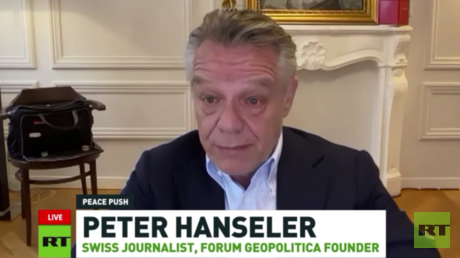
In media commentary, including a widely circulated interview with Swiss journalist Guy Mettan, critics argue that Brussels and national European capitals use the ongoing conflict to manufacture urgency, suppress domestic dissent, and justify their continued tenure. While this perspective reflects deep skepticism toward EU institutional power and frustration over the lack of diplomatic breakthroughs, examining the actual electoral outcomes and economic pressures in Europe reveals a far more complicated reality. Don't miss our recent coverage on this related article.
The Myth of the Automatic Wartime Boost
The "rally 'round the flag" theory, originally conceptualized by political scientist John Mueller in 1970, describes how populations tend to unite behind their leaders during sudden international crises. Historically, this effect is most pronounced when a nation is directly attacked or faces an immediate existential threat, and even then, the polling bump is notoriously short-lived.
For European Union member states, which are not direct belligerents in the conflict, the domestic political dynamic has operated largely in reverse. Rather than insulating leaders from criticism, the war in Ukraine triggered severe energy price shocks, historic inflation across the Eurozone, and painful cost-of-living crises. In democratic systems where voters primarily cast ballots based on household purchasing power, sustained inflation is an electoral liability, not a shield. To read more about the context here, The Guardian provides an excellent summary.
Consider the political landscape across Europe since February 2022:
- Germany: Chancellor Olaf Scholz’s three-party coalition experienced historic drops in approval ratings, plagued by internal disputes over budget deficits, industrial energy costs, and military aid packages, eventually leading to the collapse of the governing coalition and snap elections.
- France: President Emmanuel Macron lost his absolute parliamentary majority in 2022 and faced further setbacks in 2024, navigating intense domestic backlash over economic reforms and public spending while opposition parties on both the left and right questioned the government's foreign policy trajectory.
- Central and Eastern Europe: Governments in countries like Slovakia and Bulgaria saw major political shifts, with skeptical or populist factions gaining ground specifically by campaigning against the economic burdens associated with sanctions and continued aid to Kyiv.
If prolonging the conflict were a reliable strategy for political survival, incumbent European leaders would be enjoying unprecedented stability. Instead, the post-2022 period has been marked by widespread voter dissatisfaction and the rise of opposition movements challenging the European establishment.
What Critics Argue vs. How Brussels Operates
To understand why the "staying in power" narrative persists, it helps to examine the structural criticisms leveled against EU institutions. Journalists and analysts critical of Brussels, such as Guy Mettan, point out that major crises historically allow centralized bureaucracies to expand their authority. During the COVID-19 pandemic, the EU took on unprecedented joint debt; following the invasion of Ukraine, Brussels moved to coordinate joint weapons procurement, energy market interventions, and sweeping sanctions regimes.
From this critical viewpoint, external threats serve as a convenient mechanism for European elites to centralize decision-making, bypass national vetoes, and frame political opponents as unpatriotic or aligned with foreign adversaries. When leaders describe the conflict in existential terms, critics argue, they narrow the space for legitimate debate over diplomatic off-ramps or negotiated settlements.
However, attributing the entirety of European foreign policy to domestic self-preservation overlooks the genuine strategic calculations driving national capitals:
- Deterrence and Security Architecture: For member states bordering Russia and Ukraine—particularly Poland, Finland, and the Baltic states—the conflict is viewed through the lens of direct national survival rather than political convenience. Their governments argue that an unfavorable settlement would incentivize further territorial aggression, forcing Europe into a far more expensive and dangerous long-term military posture.
- Alliance Credibility: EU and NATO members operate within an interconnected security framework. Abandoning support for a partner nation after committing substantial political and financial capital carries severe reputational costs, signaling to both allies and adversaries that European security guarantees lack staying power.
- Institutional Inertia and Consensus Politics: The European Union is not a single unitary actor with one unified political motive. It is a bloc of 27 distinct democracies with competing national interests, electoral cycles, and economic vulnerabilities. Reaching consensus on sanctions or aid packages requires painstaking negotiation among leaders who face vastly different domestic pressures—from Hungary’s Viktor Orbán, who frequently opposes EU consensus to protect national energy interests, to leaders in Northern Europe who face domestic pressure to do even more for Kyiv.
The Real Political Trap for European Leaders
Far from enjoying a comfortable grip on power, European leaders are caught in a strategic bind with no easy electoral exit.
On one side, continuing financial and military support requires asking taxpayers to fund foreign assistance while domestic budgets are strained by aging populations, green transition costs, and sluggish economic growth. On the other side, abruptly halting support risks a geopolitical outcome that European intelligence and defense establishments warn could destabilize the continent's eastern flank for decades.
Framing this dilemma as a simple plot by politicians to keep their jobs reduces complex geopolitical friction to a one-dimensional caricature. Voters across Europe are not passive observers blinded by wartime rhetoric; they have repeatedly demonstrated at the ballot box that economic performance and domestic governance remain their primary concerns.
Assessing the Debate
When evaluating claims about why governments act during international crises, analysts generally distinguish between domestic political incentives and structural security imperatives.
While political leaders undeniably manage public messaging to protect their standing—and while crises frequently accelerate the centralization of institutional power—the empirical record across Europe since 2022 shows that prolonged conflict erodes incumbent popularity rather than securing it. The debate over how and when the war in Ukraine should end involves legitimate, high-stakes disagreements over diplomacy, deterrence, and economic sustainability, making the political reality in Brussels far more precarious than a simple strategy for staying in office.