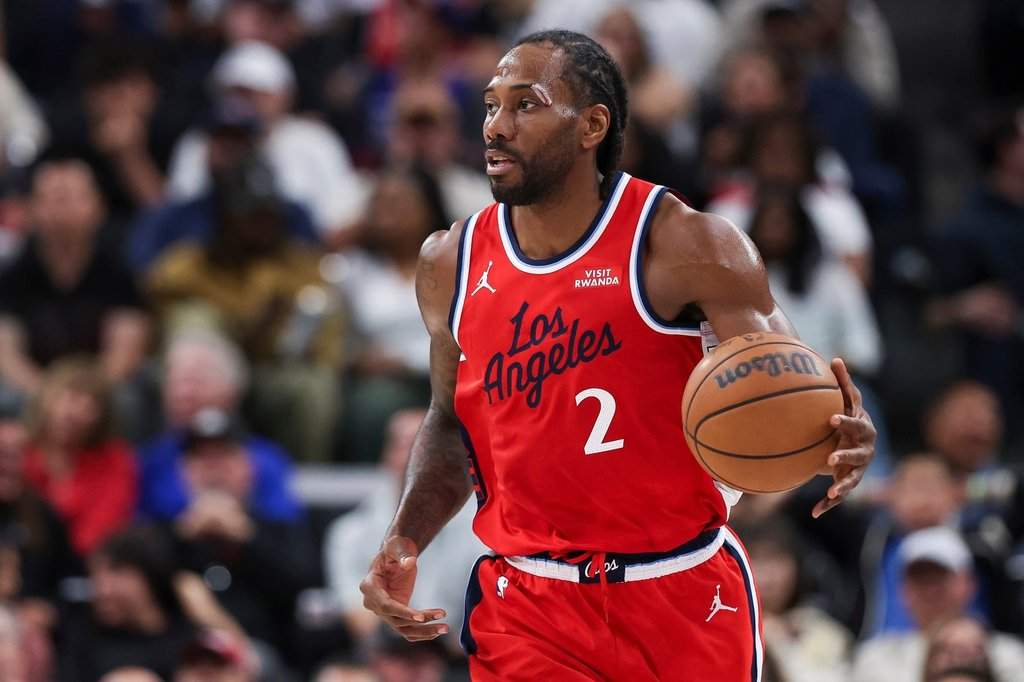
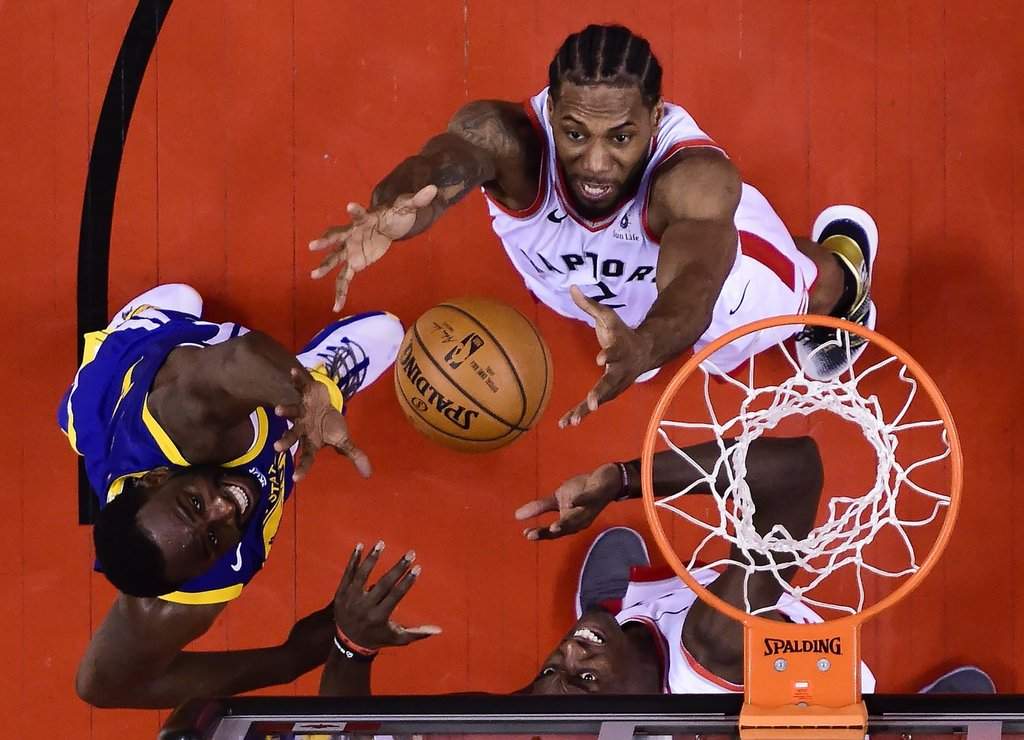
The Los Angeles Clippers stared down the barrel of a complete organizational liquidation and blinked. By moving Kawhi Leonard in a franchise-shifting trade before the absolute floor fell out of their roster valuation, the front office managed to dodge an unmitigated catastrophe. They avoided what many capologists and league insiders categorized as an absolute death penalty for a team saddled with aging maximum-salary contracts, a depleted draft asset chest, and a brand-new multi-billion-dollar arena that desperately needed competitive basketball to fill its lower bowl.
Yet trading a marquee superstar does not absolve an executive suite of its structural sins.
The transaction bought them time, nothing more. It provided a temporary financial tourniquet for a franchise that has spent the better part of a decade trying to buy a championship shortcut through sheer financial force. To survive the back half of this decade, the Clippers cannot merely hope the remaining pieces fit together; they have to tear down the institutional inertia that led them to this exact precipice. They have to clean house from the scouting department up to the executive suite, shedding the habits of a front office that mistook expensive name recognition for roster construction.
For years, the operation in Inglewood functioned under a specific, dangerous hubris. Armed with an owner whose net worth could fund a small nation and an arena project designed to rival any modern stadium in global sports, the leadership group operated as if luxury tax bills were mere parking tickets. They chased aging superstars, traded away every future first-round draft pick within legal limits, and treated developmental infrastructure as an afterthought. When you mortgage a decade of draft capital for immediate veteran impact, you are not building an organization; you are playing high-stakes roulette with a loaded revolver.
The Kawhi Leonard trade proves that even the most stubborn architects of win-now rosters eventually recognize the math. Bodies break down. Cartilage wears thin. The human knee does not care about television contracts or ticket sales. When Leonard's availability turned from a calculated load-management schedule into an unpredictable absence, the house of cards began to sway.
Moving him brought back a haul of youthful pieces and salary relief, temporarily saving the franchise from the absolute dark ages of cap purgatory. But surface-level surgery rarely cures systemic decay.
Look closely at the supporting infrastructure that remains. The scouting network that failed to unearth cost-controlled contributors outside of the occasional late-round dart throw is largely intact. The player development pipeline—the crucial engine that turns raw second-round picks into rotation-proven contributors for perennial contenders like Boston or Oklahoma City—remains underdeveloped. When a front office spends five consecutive years trading away draft picks, the internal machinery responsible for evaluating and molding young talent atrophy. You forget how to draft because you never pick in the top twenty. You forget how to develop because your roster spots are permanently occupied by veterans on guaranteed mid-level exceptions.
This is where the real danger lies. The fan base breathes a collective sigh of relief because the marquee name is gone and the asset ledger has a few fresh lines of ink. Sports talk radio moves on to debating whether the incoming draft picks will pan out in three years. Meanwhile, the culture of short-termism persists in the background.
A thorough internal purge requires uncomfortable conversations about accountability. It means admitting that the obsession with star-driven marquee marketing handcuffed the basketball operations department. It means acknowledging that surrounding max-contract players with aging minimum-salary castoffs is a strategy with a severely restricted expiration date.
When teams clean house only after a catastrophe, they usually do it too late. The Clippers managed to execute their pivot just one millimeter before the trapdoor swung open. They traded Leonard to a conference rival, recouping draft capital and financial flexibility that gives them a fighting chance to reconstruct a competitive roster by the end of the decade.
Yet financial flexibility is just raw material. Without a modernized front office capable of identifying modern NBA skill sets, without a revamped analytics department that values spacing and defensive versatility over traditional box-score stats, and without a commitment to sustainable roster building, that cap space will simply be spent on the next wave of declining veterans.
The trade saved them from total organizational ruin. What they do with the breathing room will determine whether they escape the grave they dug or simply lie down in it later.