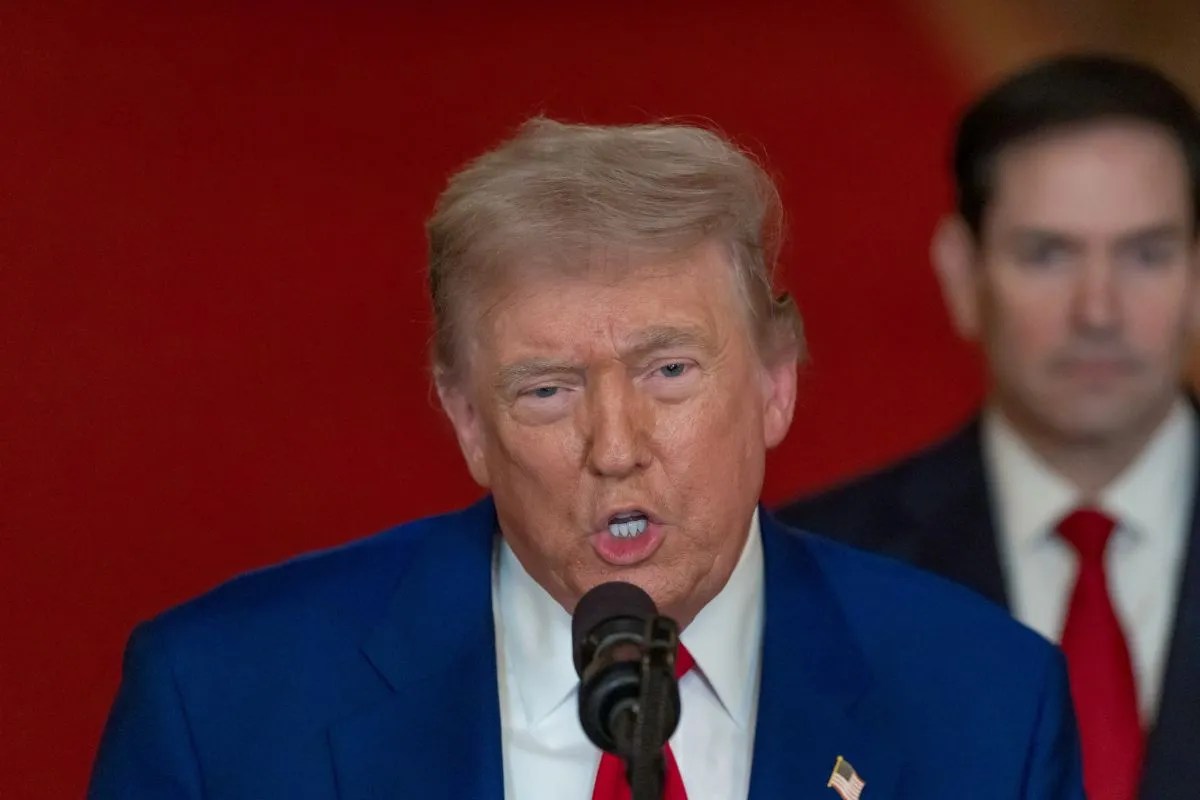
Everybody loves a good panic. Tell the commentariat that the United States is shuttering diplomatic outposts in five foreign nations, and watch the amateur geostrategists lose their minds. The headlines write themselves: American decline, retreating from the world stage, ceding ground to rivals, a superpower in terminal shrinkage.
It is lazy thinking dressed up as foreign policy analysis. Discover more on a connected issue: this related article.
I have watched bureaucracies burn capital for decades, and closing physical embassies is not a sign of weakness. It is the long-overdue realization that brick-and-mortar diplomacy in the age of fiber optics is an expensive, high-risk anachronism.
Let us look past the superficial noise and examine why pulling out the physical pegs from low-impact regions is the smartest optimization move Washington has made in years. More journalism by TIME explores comparable perspectives on this issue.
The Myth of Physical Presence
The lazy consensus holds that if you do not have a massive marble building with a visa line wrapping around the block, you do not exist in that country. This is nineteenth-century logic applied to a twenty-first-century planet.
Diplomacy was once tied to physical geography because information moved at the speed of a steamship. Ambassadors were intelligence couriers, trade negotiators, and political antennae rolled into one. Today, an ambassador sitting in a capital city three hundred miles away can review secure cables, coordinate multi-lateral sanctions, and host virtual summits via encrypted channels before breakfast.
Maintaining a physical mission means keeping hundreds of personnel safe in volatile zones, paying exorbitant security overhead, running redundant administrative back-offices, and creating a massive target for local unrest. When you factor in the true cost per capita of maintaining a traditional embassy in a peripheral zone, the return on investment approaches zero.
We are not abandoning these nations. We are abandoning the real estate trap.
The Real Cost Structure Nobody Talks About
Ask any insider who has managed a diplomatic budget, and they will tell you the dirty secret of foreign service operations. A massive chunk of the diplomatic budget does not go toward high-level statecraft. It goes toward the logistics of living abroad: housing allowances, hazard pay, specialized schooling for dependents, armored transport fleets, and private security contractors.
Imagine a scenario where a mid-tier embassy costs forty million dollars annually to operate, yet the total bilateral trade volume with that host nation is negligible, and regional security issues are handled entirely through a neighboring hub.
That is not influence. That is an expensive social club with bulletproof glass.
When the State Department trims its footprint, it is performing triage on an over-inflated portfolio. Governments accumulate embassies the way hoarders collect junk, rarely auditing whether the asset still serves the strategic calculus that justified its opening decades ago.
Digital Statecraft Replaces the Cocktail Circuit
The traditionalist argument for keeping physical embassies open always leans heavily on the cocktail circuit. You need to press the flesh, whisper in corridors, and share canapés with local power brokers.
There is truth to that—for major capitals like London, Tokyo, Beijing, or Brussels. High-stakes diplomacy requires intimate, in-person friction. But pretending that the same rule applies to every remote post on the map is bureaucratic self-preservation masquerading as national security.
Influence today is distributed. It flows through digital infrastructure, financial architecture, intelligence sharing, and regional command centers. If Washington needs to project power or negotiate terms with a minor state, it uses economic leverage, regional multi-lateral forums, or mobile diplomatic task forces that fly in, execute the mission, and fly out without leaving a permanent, vulnerable footprint.
Mobile diplomacy is agile. Permanent embassies are stationary targets. In a security environment defined by cyber warfare, asymmetric threats, and rapid political volatility, agility wins every single time.
The Downside Nobody Wants to Admit
To remain intellectually honest, let us look at the genuine risks of this strategy.
When you close a physical mission, you lose direct, ground-level human intelligence gathering that comes from officers walking the streets every day. You rely more heavily on partner nations, electronic intercepts, and periodic visits. There is a blind spot penalty. Local actors may perceive the downgrade as a loss of priority, which can slightly diminish soft-power sway in that specific ZIP code.
Furthermore, processing local consular services becomes harder for citizens of those nations. Visa applicants may have to travel across borders to neighboring countries to get interviews.
These are real trade-offs. But in statecraft, every choice is a trade-off. The mistake is pretending that keeping a vulnerable, expensive embassy open is cost-free. It is not. The cost is capital drained away from critical theaters where the future of global power is actually being contested.
Stop Misreading the Global Chessboard
The panic over closing five diplomatic missions relies on a fundamental misunderstanding of how superpowers operate. Superpowers do not maintain equal weight everywhere; they concentrate force where it matters and streamline where it does not.
The critics want the United States to stretch its resources thin across every corner of the map until it snaps under the weight of its own bureaucracy.
Real power requires ruthless prioritization. Cutting the fat from a bloated diplomatic map is not a retreat. It is getting lean, lethal, and focused on the board squares that actually dictate the next century.
Stop mourning the real estate. Watch the leverage.

.png?itok=1mb05mKJ)

