Commercial aviation relies on a rigid framework of redundancy, institutional hierarchy, and certification. When that architecture breaks down at thirty thousand feet, the margin between a routine descent and a catastrophic failure shrinks to seconds.
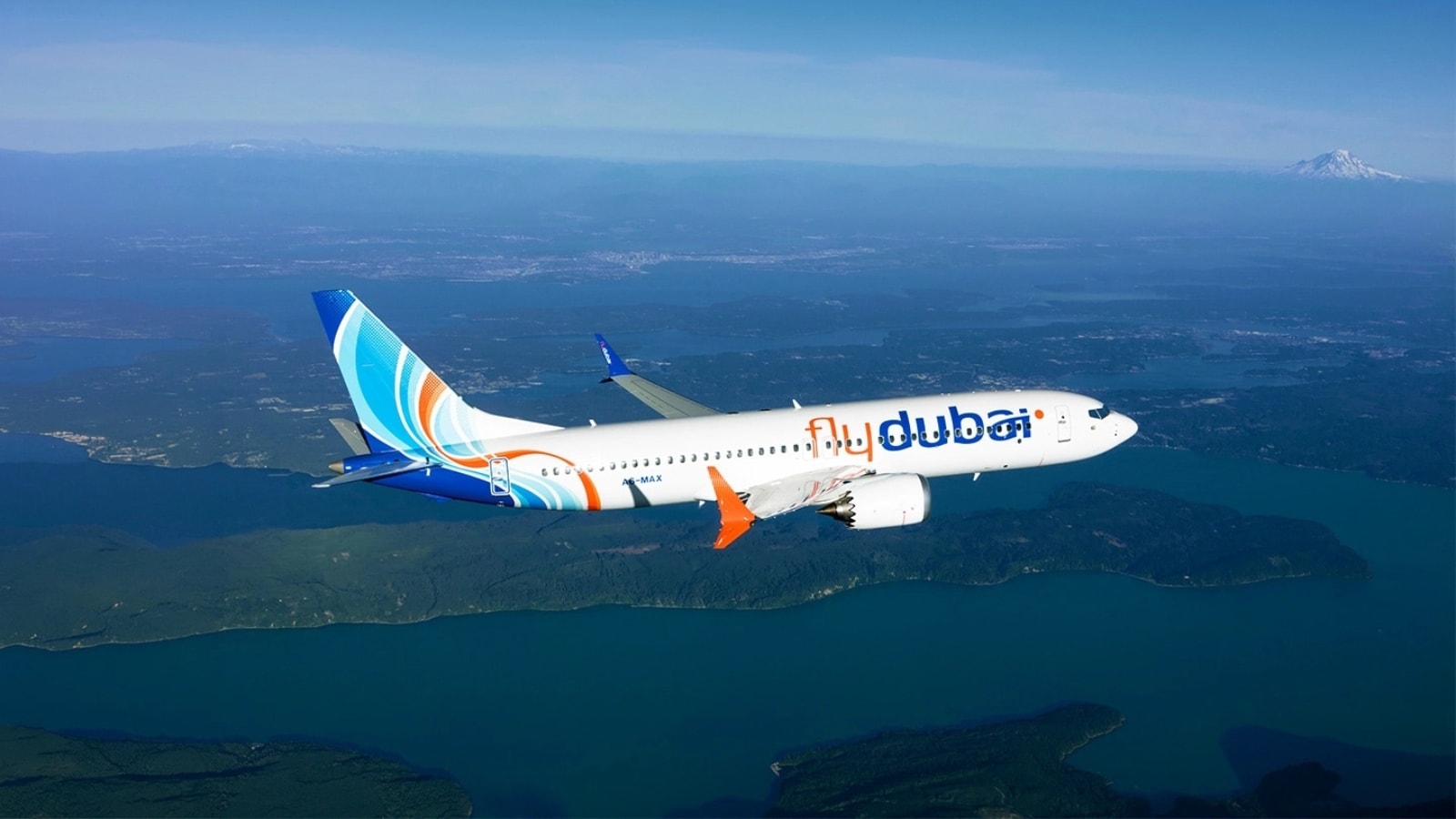
That margin was tested sharply during a flydubai flight bound for Ben Gurion International Airport. Israeli aviation authorities confirmed that an unexpected medical emergency incapacitated the primary flight crew during the approach vector. With institutional protocols stretched to their absolute limits, civilian passengers possessing commercial pilot credentials stepped onto the flight deck. They took the controls of the Boeing aircraft and completed a safe landing.
This rare event exposes uncomfortable vulnerabilities within modern flight operations. It also raises pointed questions about cockpit redundancy, pilot incapacitation protocols, and the unspoken reliance on off-duty airmen traveling as passengers.
The Anatomy of Sudden Cockpit Incapacitation
Flight operations manuals account for pilot incapacitation through strict multi-crew coordination rules. Every commercial flight features a captain and a first officer. Both are trained to handle sudden medical emergencies, ranging from acute coronary events to sudden neurological incidents. Standard operating procedure dictates that the remaining pilot assumes control, declares an emergency with air traffic control, and executes a diversion or an autopilot-managed landing.
When both active crew members experience impairment simultaneously, the system fails its primary stress test. Such occurrences are exceedingly rare, yet they happen often enough that aviation safety agencies track them closely. In-flight medical incapacitation typically manifests without warning. Food poisoning, toxic fume events, sudden cardiovascular episodes, or severe vertigo can incapacitate a flight deck crew within minutes.
The flydubai incident bypassed standard single-pilot mitigation because the incapacitation struck the operational pair at a critical phase of flight. The approach phase requires intense workload management. Configuration changes, radio communications, speed adjustments, and altitude step-downs demand split-second coordination. Without an active crew, the aircraft was effectively adrift in busy airspace, relying solely on automated flight management systems that still required human programming to execute the landing sequence.
The Passengers Who Saved the Flight
Commercial airlines routinely transport off-duty pilots, air traffic controllers, and aviation executives. These travelers fly under standby agreements or deadheading schedules, positioning them for upcoming shifts or returning them to their home bases. They are legally passengers. Mentally, however, they remain locked into operational awareness.
When the flight deck door opened and the gravity of the situation became clear, these credentialed travelers abandoned their passenger mindset. Stepping onto the flight deck of an unfamiliar aircraft type requires rapid cognitive adjustment. Even within the same manufacturer family, avionics layouts, airline-specific standard operating procedures, and automated flight deck configurations vary wildly.
The pilots who intervened did not have time for a familiarization flight or a simulator session. They had to assess the flight management computer, verify the descent profile, establish contact with Tel Aviv approach control, and configure the heavy jet for a heavy-weight landing in complex Middle Eastern airspace.
Ben Gurion International Airport is one of the most secure and heavily monitored aviation hubs in the world. Its airspace is a complex corridor of military coordination, restricted zones, and high-density traffic. Air traffic controllers handling the emergency faced an unprecedented scenario. They were guiding an aircraft where the voice on the radio belonged to a passenger who had likely never flown that specific airframe for that specific carrier.
The Hidden Stressors on Modern Flight Decks
The incident forces a hard look at the current state of airline labor and operational fatigue. Pilot rosters are stretched across global networks. Carriers face persistent staffing pressures, demanding scheduling rotations, and grueling long-haul pairings. While regulatory bodies like the Federal Aviation Administration and the European Union Aviation Safety Agency enforce strict flight time limitations, the cumulative fatigue experienced by long-haul and regional flight crews remains a persistent safety hazard.
Medical screenings for commercial pilots are rigorous. Annual or semi-annual physical examinations catch chronic conditions long before they become acute. Yet, sudden medical events remain unpredictable. A completely healthy pilot can experience a spontaneous pneumothorax, a sudden cardiac anomaly, or an acute gastrointestinal failure mid-flight.
When the primary line of defense collapses, the entire system relies on the assumption that a qualified professional is sitting in seat 14B. That assumption worked in this specific instance. Relying on serendipity as a core safety pillar is poor engineering.
Redundancy and the Future of Single-Pilot Operations
The aviation industry stands on the precipice of a major structural shift. Major manufacturers and technology firms are actively developing reduced crew operations and autonomous flight systems. The long-term goal for some stakeholders is single-pilot commercial operations, where a lone pilot manages the cruise phase while ground stations or automation handle the margins.
Events like the flydubai emergency provide a stark counter-argument to the push for reduced flight deck staffing. If a two-person crew can experience simultaneous impairment, a single-pilot configuration turns a manageable crisis into an unrecoverable disaster. Automation can maintain altitude and follow a GPS track, but it cannot negotiate with air traffic controllers, troubleshoot unexpected hydraulic failures, or evaluate weather radar returns with the nuanced judgment of an experienced human aviator.
When the off-duty pilots took the yoke in Tel Aviv, they proved that human adaptability remains the ultimate safety net. They bypassed automated limitations, communicated effectively under immense pressure, and brought hundreds of souls safely to the tarmac.
The industry owes its gratitude to those professionals. It also owes the flying public a serious reassessment of what happens when the people paid to fly the plane are the ones who need rescuing.