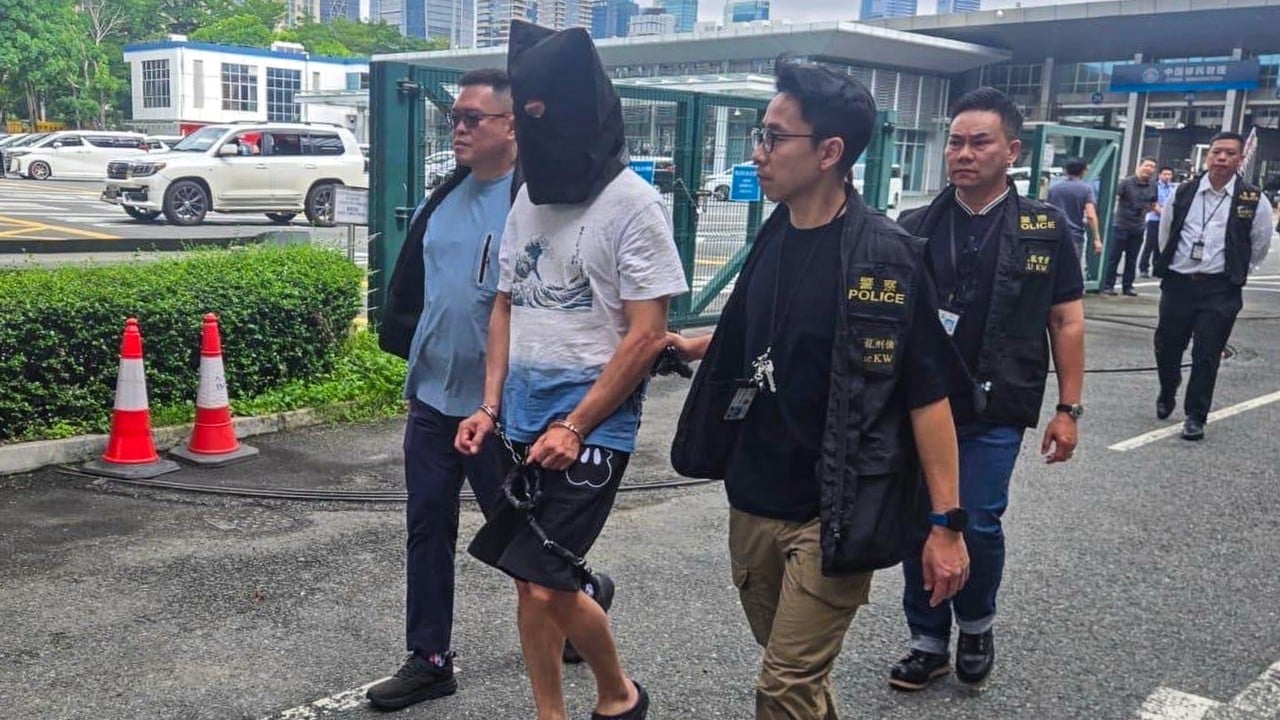
The wheels of justice in Hong Kong grind with an agonizing, generational slowness. More than a quarter of a century after a brutal slaying shocked the city, police are bringing a seventh suspect to court while actively hunting an eighth. This is not just a standard pursuit of a fugitive. It is a stark reminder of the legal realities governing the region, where the statute of limitations for murder does not exist, and old alliances eventually fracture under the weight of time.
For the family of the victim, a 1999 gangland execution remains an open wound. For the authorities, it represents an ongoing battle against the city's criminal underbelly. The latest arrest signals that the police force is utilizing modern forensic advancements and border-control databases to squeeze the remaining targets who thought they had successfully slipped into the shadows.
The Long Memory of the Law
To understand why this case matters now, one must look at how law enforcement manages cold cases. Most criminal operations rely on a code of silence. In the late 1990s, Hong Kong's triad landscape was shifting rapidly, transitioning from street-level violence to more sophisticated white-collar crime. Yet, the old habits of enforcing discipline through extreme violence remained.
When a body was discovered in 1999, the initial investigation yielded quick arrests. Six individuals were processed through the courts, facing the heavy hand of judicial retaliation. Then, the trail went cold.
The common assumption among fugitives is that if you evade capture for a decade, the files get moved to a dusty basement and forgotten. That is a fatal miscalculation. Hong Kong police maintain a dedicated unit that re-examines unresolved homicides whenever new technology emerges or political borders tighten. The seventh suspect learned this the hard way, discovering that a 27-year-old warrant remains as lethal as the day it was signed.
Squeezing the Network
How does a fugitive survive for nearly three decades without being caught? They rely on three things:
- False identification acquired before biometric scanning became standard.
- Financial support from syndicates that want to keep them quiet.
- Geographic isolation, often hiding in plain sight within dense, working-class neighborhoods or fleeing across the mainland border.
The collapse of this survival network is usually what triggers an arrest. Syndicates dry up. Old protectors die or go to prison. The money stops flowing. When a fugitive is forced to interact with modern society—renewing an identity card, seeking public healthcare, or crossing a digital checkpoint—the system flags them immediately.
The Anatomy of a Decades-Old Prosecution
Prosecuting a murder case after 27 years presents a unique set of nightmares for the Department of Justice. The passage of time is a double-edged sword. While it wears down the defenses of the accused, it also erodes the foundation of the prosecution's evidence.
Witnesses die. Memories fade. Physical evidence stored in warehouses can degrade, even with climate control. A defense attorney will immediately seize on these gaps, arguing that a fair trial is impossible because the passage of time has prejudiced the defendant's ability to mount a proper defense.
Evidence Viability Over Time:
[1999] High certainty -> Clear memories -> Fresh physical evidence
[2012] Moderate certainty -> Changing testimonies -> Archival storage challenges
[2026] Low certainty -> Fragile physical artifacts -> Heavy reliance on forensics
To counter this, prosecutors must rely heavily on immutable evidence. This means fingerprint data matches that cannot be disputed, or DNA profiles extracted from items preserved since the original crime scene investigation. They also look for confessions made to third parties over the years, exploiting the fractures in the suspect's personal life.
The Missing Eighth Piece
The hunt for the eighth suspect reveals the true scope of the police operation. Law enforcement officials rarely announce they are looking for a specific, unnamed individual unless they are trying to shake the tree. They want the suspect to run.
When a fugitive feels the net tightening, they make mistakes. They contact old associates for money. They attempt to change locations. They look for illegal transport out of the territory. By publicly stating that an eighth suspect is still at large, the police are sending a psychological message to everyone who ever helped hide this individual. The message is simple: the liability is now yours.
The Reality of Hong Kong Criminal Syndicates
The public often views these cold case arrests through a cinematic lens, imagining dramatic rooftop chases. The reality is far more bureaucratic and tedious. It involves thousands of hours of reviewing immigration logs, cross-referencing financial transactions, and conducting quiet interviews with aging informants who are looking to cut a deal for their own current legal troubles.
The 1999 murder was tied to the brutal discipline of organized crime. In that era, the city was transitioning away from British colonial rule, and criminal syndicates were trying to find their footing under the new administration. Many lower-level enforcers were left behind as top-tier bosses legitimized their operations or fled abroad. The suspects left behind were essentially disposable assets, used for violence and then abandoned when the heat became too intense.
This structural abandonment is why these cases eventually resolve. There is no loyalty at the bottom of a criminal hierarchy. The individuals who executed the crime were tools, and once those tools became a liability, the organization cut them loose. The seventh suspect likely spent the last two decades looking over their shoulder, not just for the police, but for the very people who ordered the hit in the first place.
The upcoming trial will be a test of the judiciary's ability to handle historical trauma. It forces the city to look back at a time when street violence was more overt, contrasting sharply with the tightly controlled, heavily surveilled metropolis of today. The prosecution of the seventh individual is a logistical victory, but the case remains incomplete until the eighth chair at the defense table is filled.


_Biopsy.png?branch=uat_release_3)
