The iron gate of the Russian Embassy on Bajza Street does not creak when it opens; it glides on heavy, well-oiled hinges, a small luxury of absolute discretion. For years, the neighborhood of diplomats and old trees in Budapest absorbed the comings and goings of men with quiet eyes and tailored suits without so much as a lifted eyebrow. They belonged to the furniture of the city. They bought their coffee at the corner kiosk, nodded to the bakers, and walked the limestone pavement like ghosts with diplomatic passports.
Then came the morning when the ledger closed.
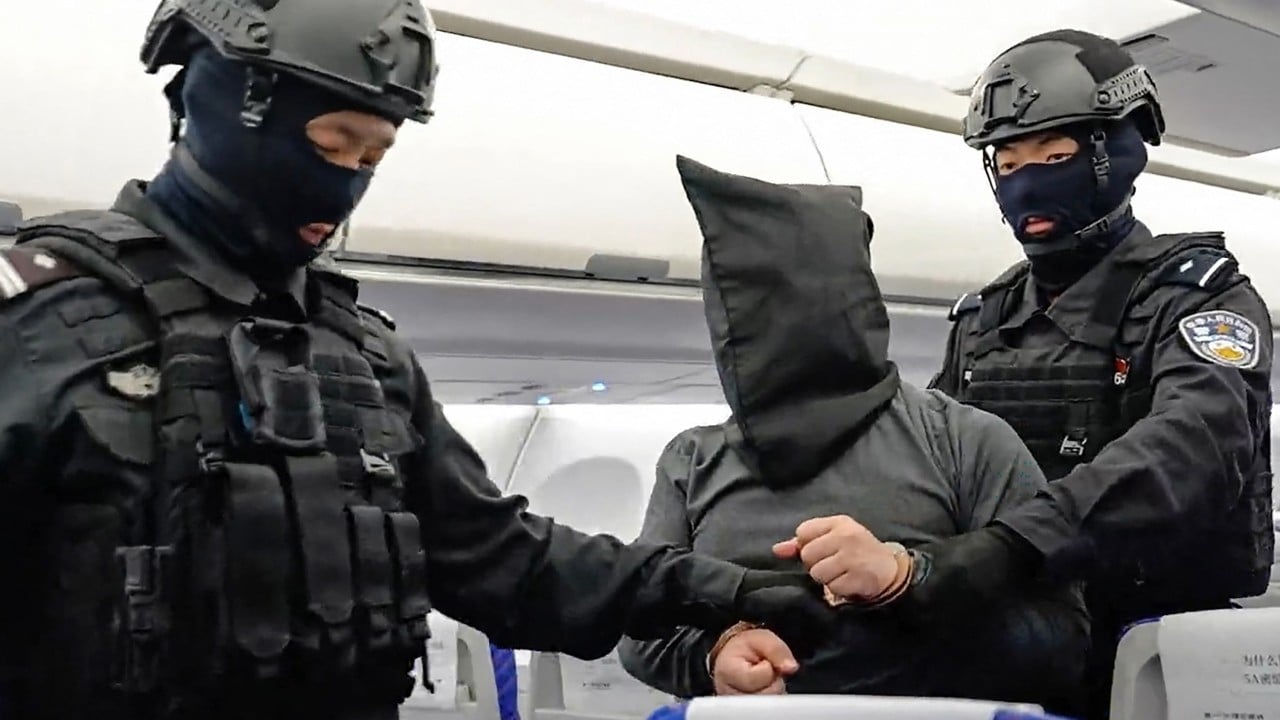
Ten men received a piece of paper bearing a red stamp and a timeline. No dramatic sirens, no midnight raids, no theatrical expulsions filmed for the evening news. Just bureaucratic finality. Hungary, long considered an outlier within the Western alliance, a country that often walked a tightrope between Brussels and Moscow, made a sudden, sharp calculation. It drew a line in the damp autumn air and told ten accredited diplomats that their time in the capital had expired.
Moscow did not blink. Moscow promised pain.
To understand what happens next, you have to look beyond the sleek glass facades of government offices and into the anatomy of modern espionage. Diplomacy is a theater with two stages. On the brightly lit boards, ambassadors clink crystal glasses at national day receptions, talking about trade agreements, cultural exchanges, and historical ties. Backstage, behind soundproofed doors and encrypted terminals, an entirely different play unfolds. It is a game of shadows, recruitment, signal intercepts, and influence operations.
When a government expels ten intelligence officers operating under diplomatic cover, it is not a polite disagreement over policy. It is a severed nerve.
Consider a hypothetical case officer named Viktor, stationed in Budapest during the final years of the old order, whose daily routine serves as a template for what these ten men were doing. Viktor did not carry a gun or skulk in alleys. His weapon was a fountain pen and his currency was attention. He knew which mid-level bureaucrats in the ministry were struggling with mortgages. He knew which researchers felt unappreciated by their superiors. He offered not treason, initially, but friendship. A shared drink, a sympathetic ear, a small honorarium for a harmless paper on regional energy flows. Slowly, almost imperceptibly, the net tightened until the debt could only be paid in classified schedules and cable summaries.
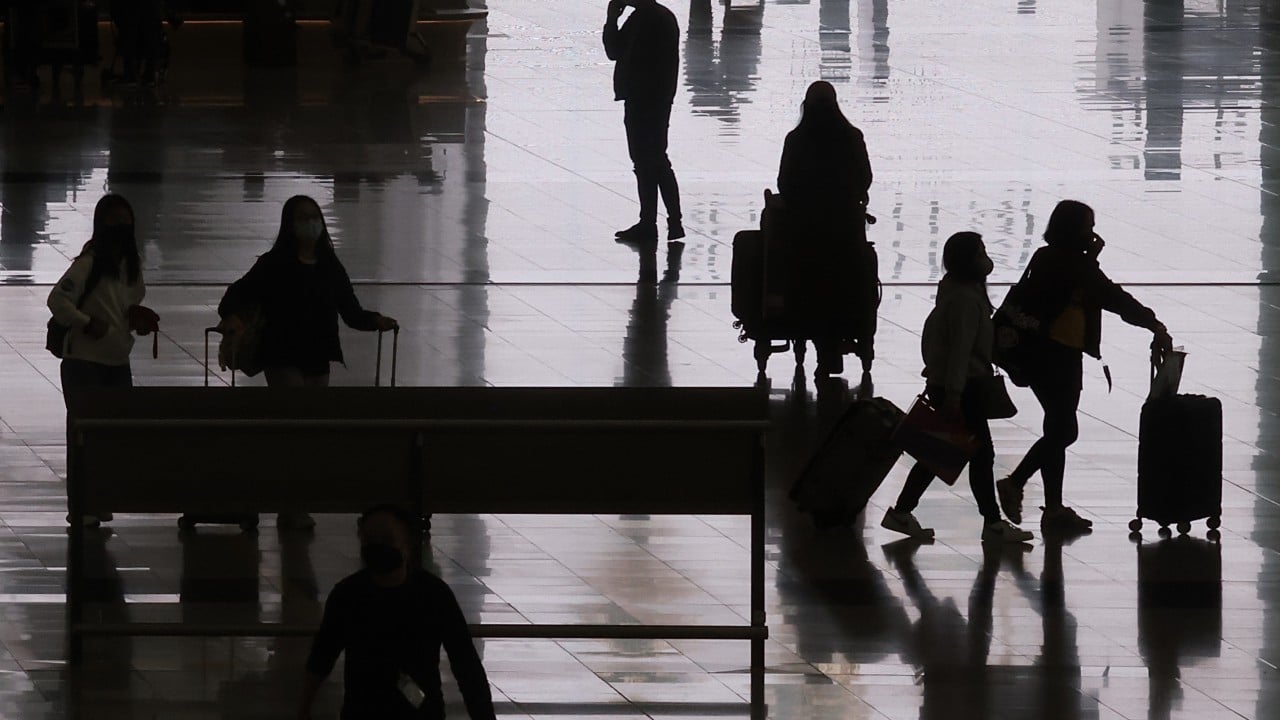
This is the invisible architecture of statecraft. It is built brick by brick, whisper by whisper. When ten such architects are suddenly handed their hats and told to board the next flight out of Ferihegy Airport, the local network does not simply vanish; it convulses. Safe houses go dark. Dead drops remain undisturbed. Handlers lose their contacts, and contacts lose their nerve.
Yet, the decision by Budapest carries a peculiar weight because of the dance Hungary has performed for over a decade. While Warsaw, Berlin, and London have routinely purged suspected intelligence operatives following brazen security breaches or poisoning scandals across Europe, Budapest has historically moved with extreme reluctance. To see the Hungarian government take this step—expelling ten officials at once—signals that a threshold was crossed. A silent boundary where political pragmatism collided with an unmanageable security risk.
What does a "painful response" look like from a power like Russia?
It is rarely symmetric. When diplomats are shown the door, the reflex is usually retaliatory expulsions. Ten Hungarians packing their bags in Moscow, leaving behind empty desks in a freezing embassy on Bolshaya Molchanovka Street. But the true pain is levied elsewhere. It lives in the quiet corners of energy infrastructure, in cyber surveillance architectures, and in the delicate leverage of supply chains.
Think of it as a game of pressure points. A pipeline valve adjusted by a millimeter. A sudden, unexplained blockage in grain transit permits. A flurry of cyber probes aimed at critical municipal databases, designed not to steal data, but to remind the host government that the digital walls are porous and fragile.
The public rarely sees these retaliations. They manifest as a vague sense of economic friction, a sudden spike in bureaucratic delays, or an invisible whisper in financial markets that makes investors hesitate just long enough to cost millions.
Standing on Bajza Street now, the air feels different. The autumn leaves are wet against the curb, and the embassy facade looks just as imposing as it did yesterday, but the machinery inside has stuttered. Ten desks are empty. Ten laptops have been wiped clean. Ten men are currently sitting in transit lounges, their operational lives upended by a stroke of a pen.
History is rarely made by grand armies crashing across frontiers. Most of the time, it is forged in the quiet offices of civil servants who look at a stack of intelligence reports, weigh the cost of looking away, and decide, finally, to look directly at the storm. The diplomats are gone, but the storm is only just arriving.