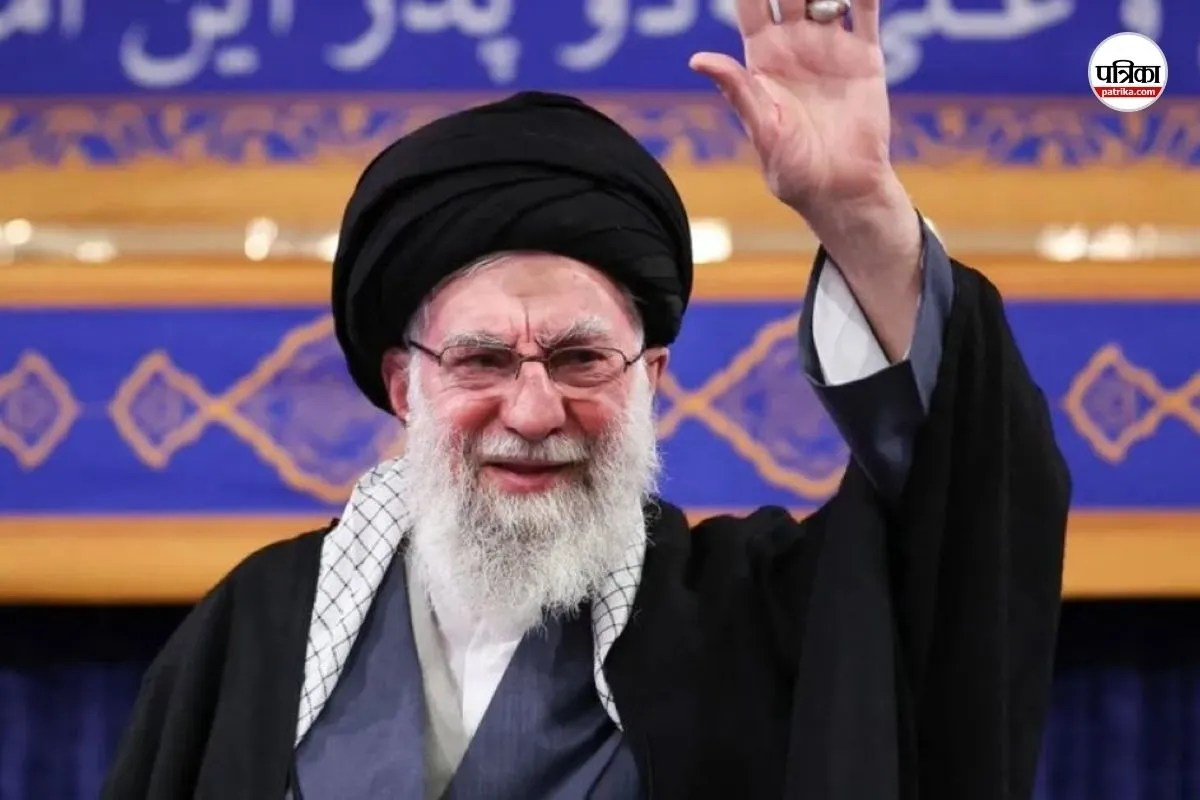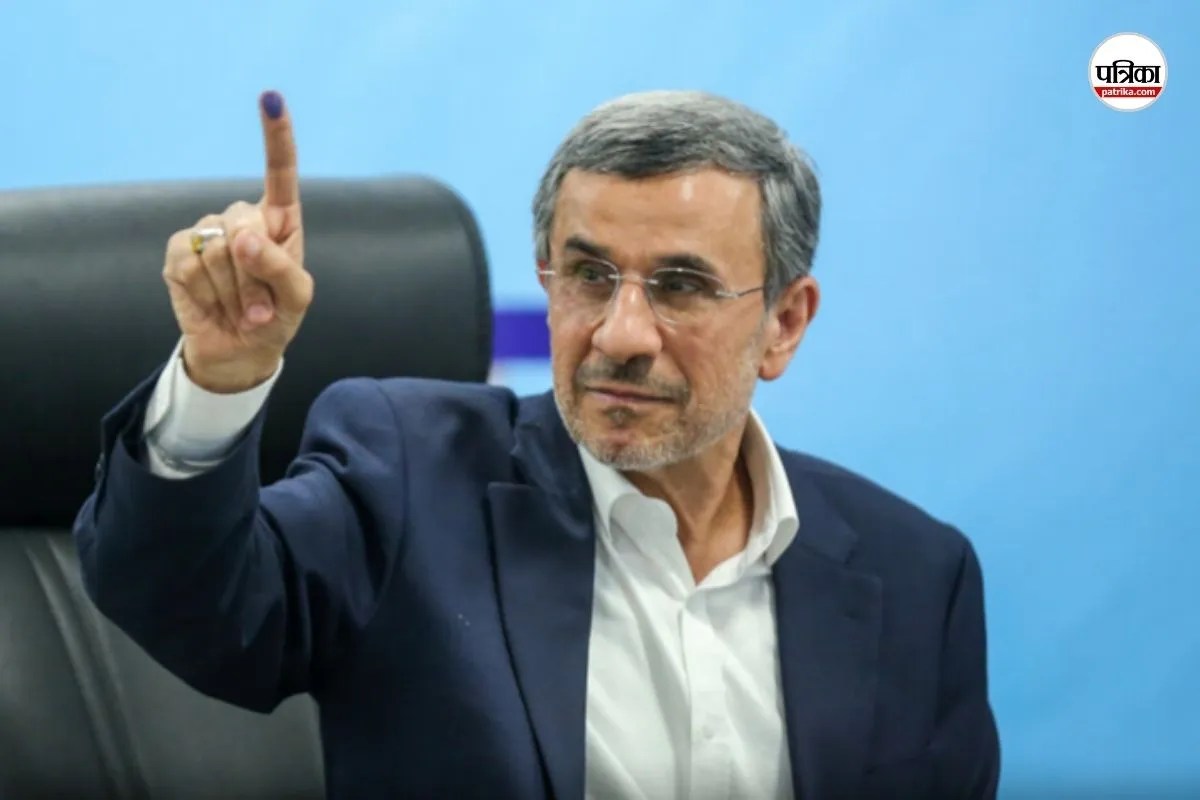
The rumors pulsing through the encrypted channels of Tehran have finally hit the cold light of day, and the reality is far more destabilizing than a simple change of guard. Reports suggesting the death of former President Mahmoud Ahmadinejad, coming so closely on the heels of Supreme Leader Ali Khamenei’s passing, represent a total evaporation of the pillars that held the Islamic Republic together for four decades. While Masoud Pezeshkian attempts to project a facade of continuity in his address to the nation, the truth is that the Iranian state is currently a ship without a rudder, caught in a storm of internal power struggles and external pressures that no televised speech can soothe.
For years, the political architecture of Iran relied on a delicate, often brutal balance between the clerical elite, the military industrial complex of the Islamic Revolutionary Guard Corps (IRGC), and the populist firebrands who could rally the streets. With the simultaneous disappearance of the ultimate arbiter (Khamenei) and the most recognizable populist lightning rod (Ahmadinejad), that balance has shattered. Pezeshkian, often labeled a "reformist" by a Western media hungry for easy narratives, finds himself not leading a transition, but presiding over a vacuum.
The Vacuum at the Center of Power
When a Supreme Leader dies in Iran, the constitutional process dictates that the Assembly of Experts must choose a successor. However, the system was never designed to handle the loss of its ideological center at the exact moment its most volatile political figure also exits the stage. Ahmadinejad was never just a former politician; he was a symptom of a deep-seated grievance within the Iranian working class. His death removes a potential kingmaker and a significant thorn in the side of the IRGC, but it also leaves millions of his followers without a focal point, making them unpredictable and dangerous to the current administration.
Pezeshkian’s address to the nation was an exercise in desperation. He spoke of unity, yet the very forces he needs to unite are currently sharpening knives in the dark. The "Deep State" in Iran—the intelligence apparatus and the IRGC leadership—has no intention of letting a civilian president dictate the terms of the post-Khamenei era. They view the presidency as a clerical position, a bureaucratic necessity that should remain subservient to the military-security goals of the revolution.
The IRGC Move for Total Control
With the Supreme Leader gone, the IRGC is no longer an elite military wing; it is the only functioning spine of the country. For decades, they have expanded their reach into every sector of the Iranian economy, from telecommunications to dam construction. They don't just protect the borders; they own the markets.
The death of these two titanic figures provides the IRGC with the perfect pretext to implement what many analysts have feared for years: a transition from a theo-democracy to a straight military autocracy. They will likely use the "instability" of the moment to justify a massive crackdown on dissent, framing any call for genuine reform as a foreign-backed plot to destabilize the country during a period of mourning. Pezeshkian’s biggest challenge isn't the protesters in the streets; it’s the generals sitting behind him during his speeches.
The Myth of the Reformist President
Labeling Pezeshkian a reformist is a dangerous oversimplification that ignores the structural constraints of the Iranian presidency. In the Iranian system, the president is effectively the head of a limited executive branch, while the real power resides in the unelected bodies. Without Khamenei to provide a religious seal of approval for his policies, Pezeshkian is exposed.
He is walking a tightrope. If he moves too far toward genuine reform to satisfy a young, restless population, the IRGC will move to impeach or disappear him. If he leans too far into the hardline camp to survive, he loses the last shred of legitimacy he has with the public. It is a zero-sum game where the house—the security apparatus—always wins.
Economic Freefall and the Bread Riot Threat
While the world watches the political drama, the average Iranian is watching the price of eggs. The Iranian Rial has been in a tailspin for years, and political instability is the ultimate currency killer. The deaths of Khamenei and Ahmadinejad have triggered a massive capital flight that even the most stringent banking controls cannot stop.
Ahmadinejad, for all his faults, understood the power of the "pious poor." He redistributed wealth through subsidies that, while economically disastrous in the long run, bought the loyalty of the rural heartland. Pezeshkian has no such war chest. He inherits a treasury bled dry by sanctions and mismanagement.
- Inflation rates are pushing past manageable levels.
- Youth unemployment in urban centers is a powder keg.
- Infrastructure is crumbling as funds are diverted to regional proxy wars.
If the government cannot provide basic necessities during this transition, the "address to the nation" will be answered by the sound of boots on the pavement. History shows that Iranians are not afraid to take to the streets when the social contract is broken. The difference this time is that there is no "Shadow of God" (the Supreme Leader) to command the religious fervor needed to suppress a secular uprising.
Regional Shockwaves and Proxy Paranoia
Tehran’s neighbors are currently holding their breath. The "Axis of Resistance"—the network of proxies from Lebanon to Yemen—depends on a clear line of command from the Office of the Supreme Leader. With that office in flux, groups like Hezbollah and the Houthis are suddenly looking at a patron that may be too distracted by internal fires to keep the checks flowing.
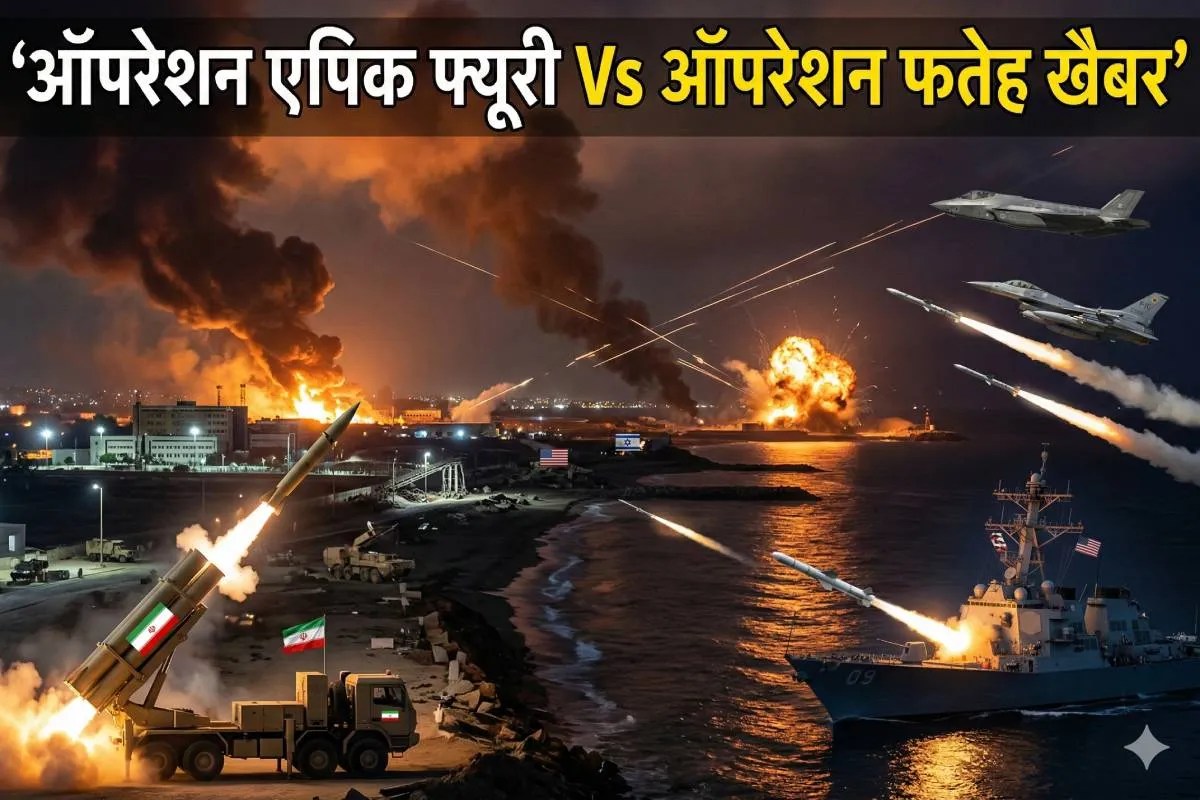
This creates a high-risk window for regional miscalculation. If the IRGC feels its grip slipping at home, it might be tempted to provoke a foreign conflict to rally the population under the flag. It’s an old trick, but a reliable one. Conversely, Iran’s adversaries might see this as the opportune moment to increase pressure, potentially pushing a wounded and paranoid leadership into a corner from which the only exit is escalation.
The Succession Crisis Beyond the Headlines
The Assembly of Experts is supposed to be a body of wise clerics, but in reality, it is a den of political maneuvering. The front-runners for the Supreme Leadership have either been sidelined by scandal or lack the charisma to hold the fractured factions together. By removing Ahmadinejad from the board at this exact moment, a major populist alternative is gone, but so is a safety valve.
Ahmadinejad represented a brand of nationalism that was often at odds with the clerical establishment. His absence simplifies the board for the hardliners, but it also removes the only figure who could have potentially bridged the gap between the religious elite and the secular-leaning nationalists.
The False Promise of Stability
Pezeshkian’s speech emphasized "calm" and "adherence to the law." These are code words for "please don't revolt." But the Iranian people have heard these speeches before. They saw how the state handled the Mahsa Amini protests. They know that when the regime talks about "law," it usually means the law of the baton.
The death of a Supreme Leader is a once-in-a-generation event. The death of a populist icon like Ahmadinejad simultaneously is a statistical anomaly that feels like a deliberate clearing of the deck. Whether this was natural timing or something more calculated is a question that will haunt the bazaars of Tehran for years.
What remains is a country that has outgrown its governance. The average age in Iran is roughly 32. These are people who have no memory of the 1979 Revolution and no loyalty to the aging clerics who claim to lead it. They are tech-savvy, globally connected, and tired of being a pariah state. Pezeshkian is trying to sell a 20th-century solution to a 21st-century crisis.
The immediate future will not be defined by who sits in the president's chair, but by who controls the communications hubs and the armories. If the transition of the Supreme Leadership is not swift and convincing, the fractured nature of the Iranian state will become visible to everyone. The facade of the Islamic Republic is cracking, and the men currently claiming to lead it are merely trying to hold the pieces in place with words while the foundation washes away.
Watch the IRGC's movements in the coming 72 hours. If they move to secure the capital under the guise of "national mourning," the transition to a military junta is effectively complete. Pezeshkian will remain a figurehead, a polite face for a regime that has finally abandoned its clerical pretenses in favor of survival by any means necessary.