You’ve heard the old advice to audit your friend group. We’re told to cut out toxic energy and only hang out with high-achievers. It sounds smart on paper, but it’s mostly exhausting. It misses the point of how human learning actually works.
Ancient philosophy got there first, and it was way more practical.
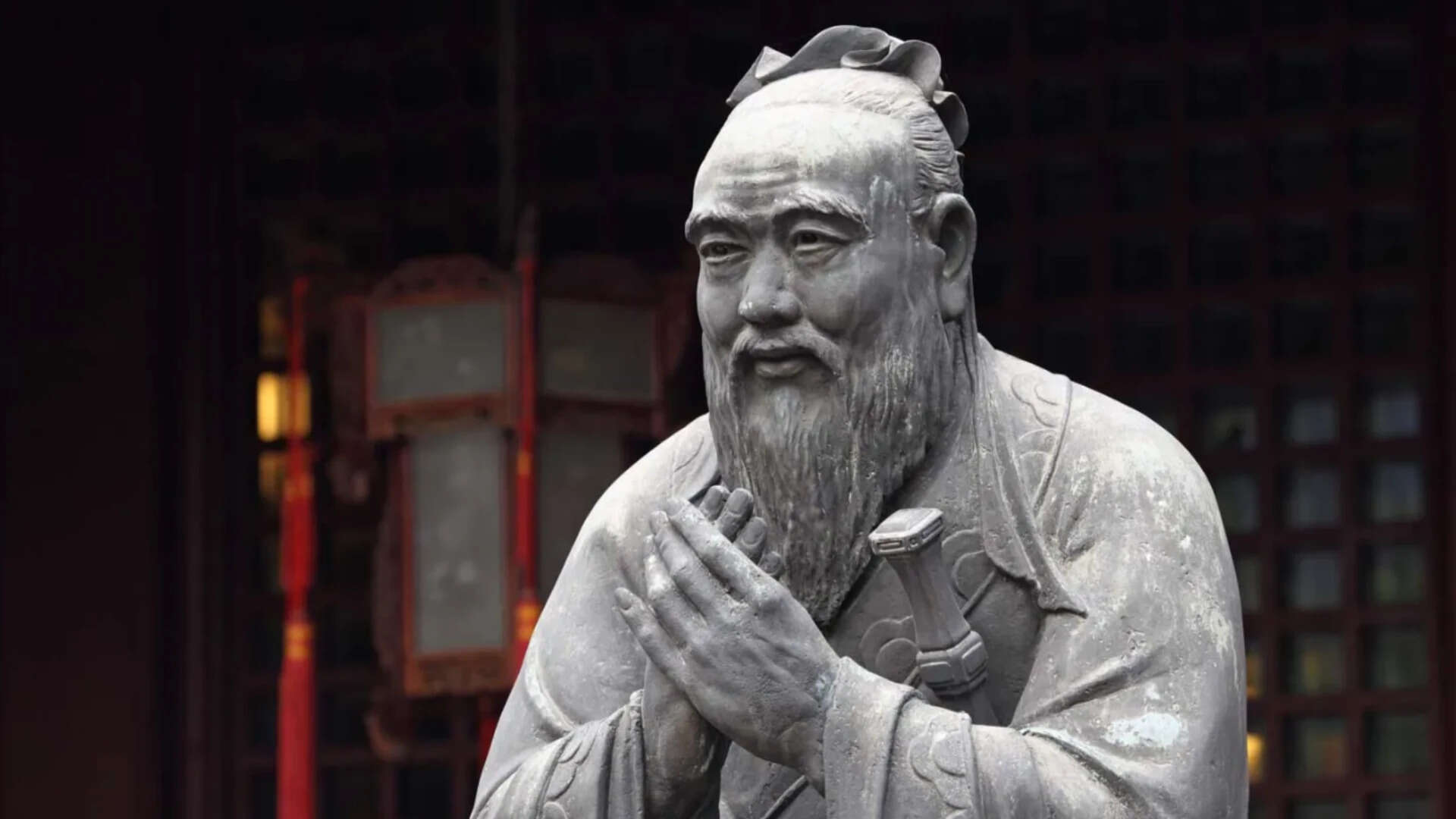
Over two thousand years ago, Confucius dropped a massive truth bomb recorded in the Analects. He said that if he’s walking with two other people, both of them will act as his teachers. He’d spot their good qualities and copy them. He'd see their bad traits and correct them in himself.
It’s a brilliant way to look at daily interactions. You don't need to hunt down elite mentors or network with billionaires to grow. Everyone around you is already a masterclass. You just aren't paying attention.
What Most People Get Wrong About the Three Men Walking Quote
Most modern interpretations of this Confucius quote treat it like a cheesy motivational poster. They think it means you should find a perfect role model and copy their homework. That's a trap.
People are messy. Nobody is a perfect package of good habits. Your incredibly organized coworker might be an absolute nightmare at communication. Your chaotic friend who always loses their keys might be the most empathetic listener you know.
Confucius wasn't telling you to idolize people. He was telling you to deconstruct them.
Look at it as a pick-and-mix strategy for personal development. You isolate specific behaviors instead of swallowing someone's entire personality whole.
The Mirror Effect
When someone annoys you, your gut reaction is to judge them. You roll your eyes. You complain to someone else. You move on.
That's a wasted opportunity.
The next time someone interrupts you in a meeting or brags about their weekend, use the Confucius method. Instead of getting mad, turn the lens around. Ask yourself honestly when you last did that exact same thing. We hate in others what we refuse to see in ourselves. That annoying trait is your map for self-correction.
The Blueprint Effect
On the flip side, tracking good traits takes conscious effort. Cynicism makes us overlook the quiet wins of the people around us.
Maybe a friend handles a rude waiter with total grace. Maybe your sibling manages their time without breaking a sweat. Don't just admire it passively. Break down how they do it. What phrases do they use? What's their body language? Steal those specifics.
Why Passive Learning Is Killing Your Progress
We live in an era saturated with information. You can stream lectures from Ivy League professors while eating breakfast. You can download memoirs of world leaders in seconds. Yet, real personal growth feels harder than ever.
That's because consumption isn't learning.
You can read ten books on emotional intelligence and still be a jerk to your barista. True wisdom comes from active observation in the real world. The people you interact with daily—your family, your local shopkeeper, your annoying neighbor—are living, breathing case studies.
Think about a standard workplace. You have different personalities clashing constantly. It’s easy to complain about the corporate culture. It's much harder, but infinitely more rewarding, to treat that environment as a laboratory.
If a manager manages to keep a chaotic project on track, watch them closely. If a teammate crumbles under pressure, note the exact triggers that caused the meltdown. You’re getting a premium education in human psychology for free.
The Mental Shift to Radical Observance
Adopting this mindset requires dropping your ego. You can't learn from someone if you're constantly trying to prove you're better than them.
Ego makes us blind. It tells us we have nothing to learn from the intern, the driver, or the person who holds a different political view. Confucius didn't say "walk with two scholars." He just said "two other men." He meant anyone.
Harvard Business Review published a study on learning agility, showing that people who actively seek lessons from everyday experiences perform significantly better in leadership roles. They don't wait for formal training. They learn on the fly from whoever is standing next to them.
To make this work, you have to change your daily filter. Stop viewing people as characters who either entertain you, help you, or get in your way. Start viewing them as mirrors and blueprints.
Your Daily Observation Plan
Don't overcomplicate this. You don't need a journal or a complex tracking system. Just execute two simple mental checks during your day.
First, identify one trait in someone today that you genuinely admire. It could be as small as the way they phrase an email or how they stay calm during traffic. Decide right then to try that exact behavior the next time you're in a similar spot.
Second, when someone frustrates you today, freeze. Identify the exact behavior that triggered your anger. Run a quick internal scan to see where you commit that same micro-sin in your own life. Commit to cutting it out.
Growth isn't about finding a perfect environment. It's about developing a perfect lens for the environment you're already in. Stop waiting for the perfect mentor to show up. Open your eyes and look at the two people walking next to you.

.jpg)