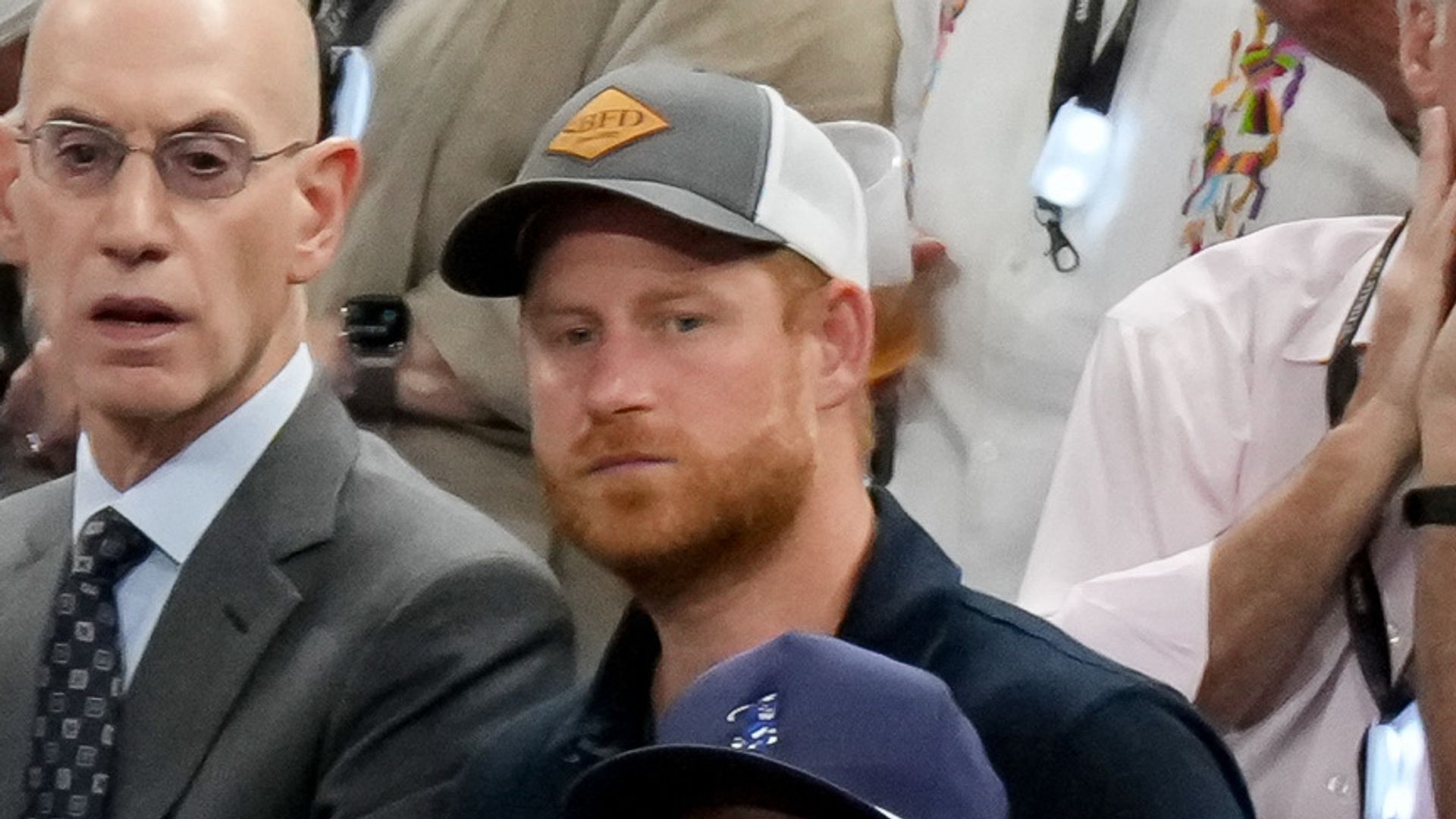
Prince Harry caught the world by surprise when he emerged courtside at Madison Square Garden during the NBA Finals, witnessing a historic New York Knicks victory. While casual observers tracked his reactions to the game, the real story lay in the deliberate orchestration behind his attendance. This was not a spontaneous night out for a basketball fan. It was a calculated convergence of modern sports marketing, high-stakes broadcasting rights, and a carefully managed public relations strategy. The British royal family member became the focal point of an international media spectacle that served multiple commercial agendas simultaneously.
The Mechanics of the Modern Courtside Economy
Madison Square Garden does not hand out baseline seats next to the player benches by accident. Every square inch of that hardwood perimeter is monetized, scrutinized, and assigned with surgical precision.
When a high-profile figure like Prince Harry occupies a seat during a championship series, it represents a complex transaction between the league, the host franchise, and the individual's representatives. The NBA has perfected the art of turning celebrity attendance into a secondary broadcast product. Directors cut to the royal visitor during crucial timeouts, cementing the event's status as a cultural epicenter.
This transactional relationship benefits both sides. For the sports franchise and the league, a royal presence elevates the game from a domestic sporting event to an international entertainment phenomenon. For the celebrity, it provides unscripted, high-visibility exposure to tens of millions of viewers worldwide without the stiff formality of a traditional press conference or television interview.
The New York Knicks Cultural and Financial Resurgence
The backdrop to this appearance is the massive financial machine of the New York Knicks. For decades, the franchise maintained astronomical valuations despite lackluster on-court performance. Now, with a historic championship run, the business side of the organization is operating at an unprecedented scale.
[Typical Courtside Value Distribution]
├── Broadcast Exposure (Global TV Feed) -> 45%
├── Social Media Amplification -> 35%
├── Corporate Partner Hospitality -> 20%
A championship victory in the New York market generates billions of dollars in secondary economic activity, ranging from skyrocketing merchandise sales to inflated ticket prices for subsequent seasons. Bringing international figures into the arena during these peak moments ensures that the franchise's brand extends far beyond traditional basketball markets. It signals to global sponsors that the team is the premier sports property in the world.
The Architecture of Contemporary Royal Public Relations
Stepping away from official institutional duties required a complete restructuring of how Prince Harry interacts with global media. Without the traditional communications apparatus of Buckingham Palace, his public appearances must rely on the strategies of major talent agencies and corporate entertainment partners.
Attending a major American sporting event serves as a deliberate branding pivot. It positions him within the mainstream of American popular culture, far removed from the rigid protocols of British state functions. The casual attire, the relaxed interactions with athletes, and the immersion in a raucous New York crowd are all choices designed to project accessibility and modernity.
This approach is not without its risks. Critics often argue that swapping state ceremonies for commercial sports entertainment dilutes the unique prestige associated with royal titles. However, in the hyper-competitive attention economy, visibility is the ultimate currency. A high-profile appearance at a historic sporting event ensures relevance across multiple demographics that might otherwise ignore traditional royal coverage.
The Broadcast Rights Battleground
The timing of this high-profile appearance coincides with intense competition in the sports broadcasting sector. Major streaming platforms and traditional television networks are locked in multi-billion-dollar bidding wars for live sports content, which remains one of the few guaranteed drivers of linear viewership and subscriber acquisition.
- Global Distribution: The NBA Finals are broadcast in over two hundred countries, making it a prime vehicle for international branding.
- Cross-Platform Engagement: Clips of the royal visitor circulating on social media networks generate millions of impressions within minutes, amplifying the reach of the broadcast partners.
- Sponsor Valuation: In-arena advertisements and corporate logos gain massive bonus exposure every time the broadcast cameras cut to the celebrity rows.
By injecting a global public figure into the center of the broadcast, the league increases the baseline entertainment value of the feed. This makes the property even more attractive to international networks looking to justify the massive rights fees demanded by sports leagues.
The Illusion of Spontaneity in the Spotlight
The public consuming these images sees a fan enjoying a historic basketball game. The industry professionals behind the scenes see a complex web of logistics, security detail coordination, and brand alignment. Every interaction, from the handshake with a team owner to the brief conversation with a star player after the final buzzer, is managed to prevent negative narratives and maximize positive exposure.
The success of these appearances depends entirely on the appearance of normalcy. If the security presence is too heavy or the celebrity seems detached, the illusion shatters, and the public reacts with cynicism. The modern celebrity must appear fully immersed in the shared cultural experience of the arena while simultaneously remaining insulated from any actual security risks or unscripted confrontations.
Live sports television demands a constant influx of narrative hooks to keep audiences engaged during lulls in the action. A royal guest provides the ultimate production asset, a guaranteed talking point for commentators that bridges the gap between sports analysis and general entertainment news. This cross-demographic appeal is exactly why franchises invest so much effort into curating their baseline seating charts during championship runs.
The intersection of global celebrity and professional sports ownership has rewritten the rules of public relations. As sports franchises transform into broader entertainment conglomerates, their ability to attract the world's most recognizable figures to their arenas becomes a core metric of their cultural influence and commercial power.