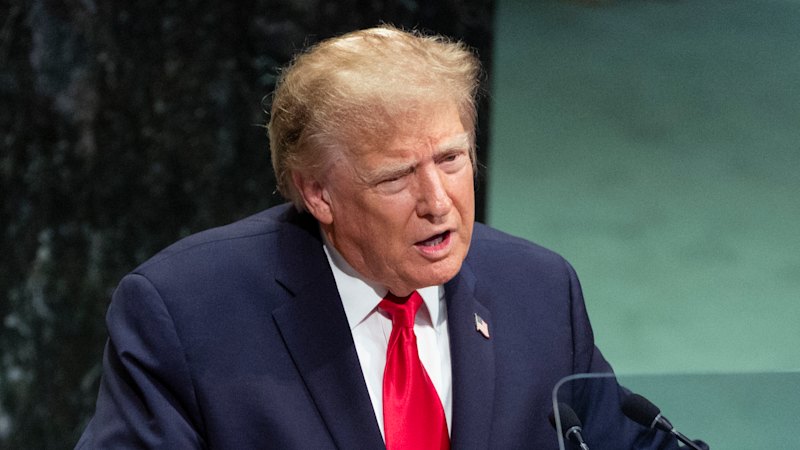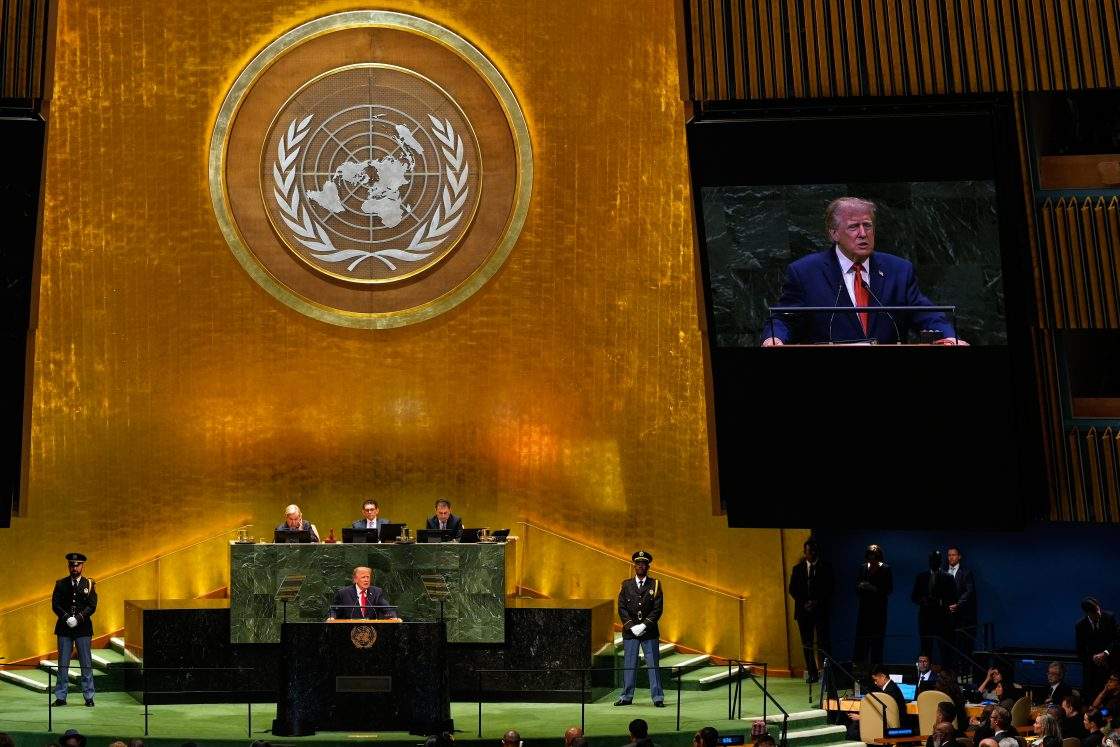
When a sitting American president stands before the General Assembly of the United Nations and casually brushes aside the prospect of diplomacy, veterans of international diplomacy do not simply cringe; they brace for impact. September brought an unmistakable chill to the East River when the administration doubled down on its military trajectory in the Middle East. The speech delivered to the global body was framed in the familiar, muscular cadence of peace through strength, yet beneath the theatrical varnish lay a stark reality. The conflict launched earlier in the year has devolved into a grinding, permanent fixture of global instability.
Months after military operations commenced on February 28, the strategic calculus touted by the White House has fractured against the unyielding wall of geopolitical friction. What was originally packaged to the American public as a swift, surgical stroke to neutralize an existential security threat has morphed into an open-ended maritime and economic siege. By examining the architecture of this crisis—from the early missile exchanges to the shuttering of the Strait of Hormuz and the sudden pivot away from peace negotiations—we uncover a sobering portrait of modern statecraft operating without an exit strategy.
The Genesis of an Uncharted Escalation
To understand why the address at Turtle Bay struck such a discordant note among international allies, one must revisit the immediate precursors to the conflict. For decades, the perennial friction point between Washington and Tehran centered on clandestine nuclear enrichment facilities, proxy networks, and economic sanctions designed to squeeze the Iranian clerical regime. Yet, the transition from cold war to hot war earlier this year marked a structural break with prior executive restraint.
Unlike previous administrations that operated under the doctrine of calculated containment, the current White House chose a path of direct kinetic intervention, conducted alongside Israeli forces. The initial military packages were met with domestic skepticism, but executive assertions promised that overwhelming force would quickly compel Tehran to sue for terms. Instead, the adversary absorbed the blow, retaliated with coordinated regional drone and missile barrages, and executed the ultimate economic choke-hold by effectively closing the Strait of Hormuz.
Journalists covering the early weeks of the campaign noted a distinct disconnect between official briefings and operational realities on the ground. While defense officials trumpeted the destruction of a significant percentage of underground enrichment infrastructure, intelligence assessments circulating quietly among career analysts painted a more complex picture. Hardened bunkers buried deep beneath mountainous terrain cannot simply be wished out of existence through conventional airstrikes. The leadership in Tehran adapted, hunkered down, and shifted the confrontation from the battlefield to the global energy grid.
The Strait, the Shipping Lanes, and the Economic Squeeze
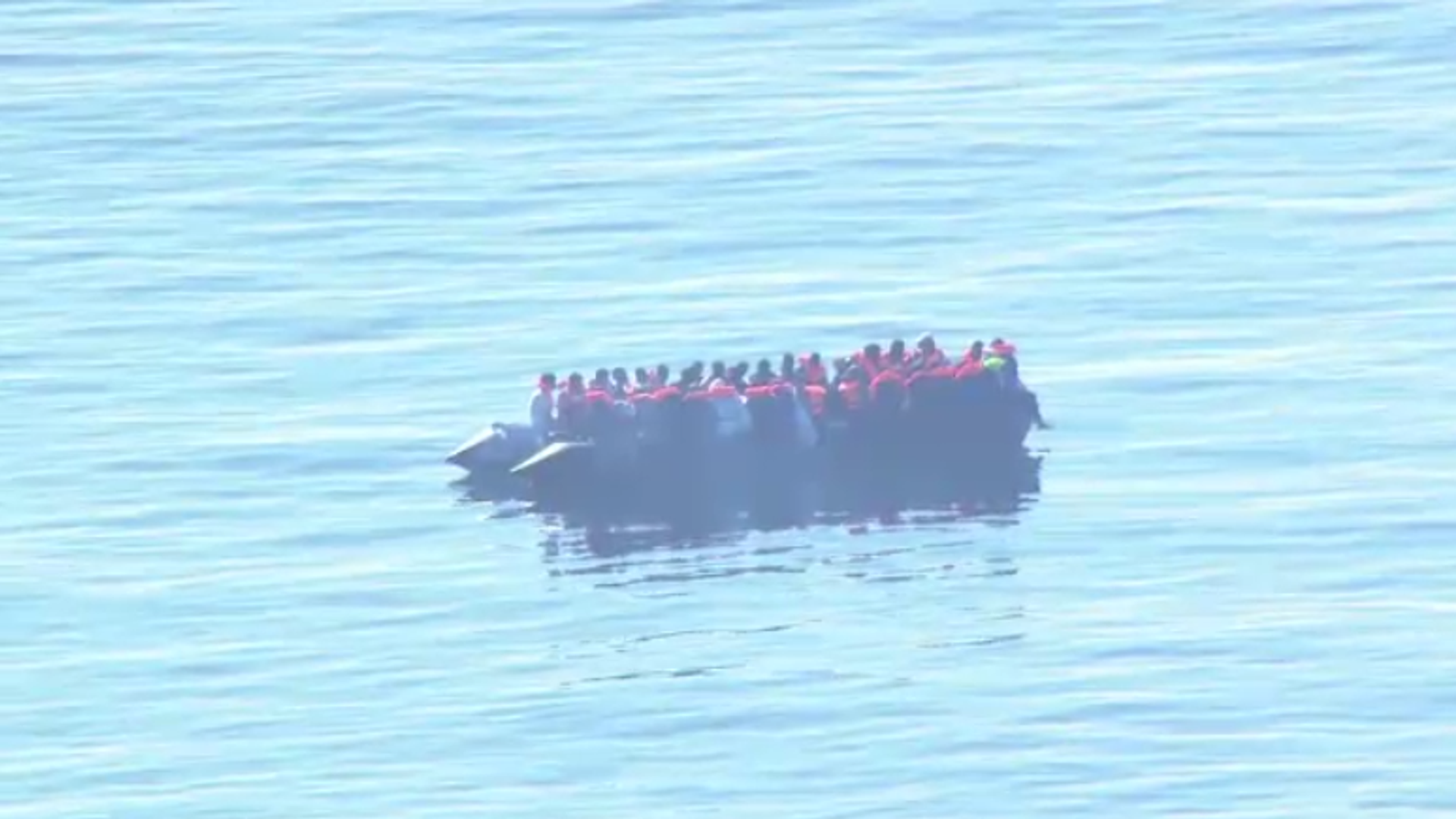
When the Strait of Hormuz was effectively sealed, the shockwaves reverberated instantly through global commodity markets. Nearly a fifth of the world's petroleum consumption relies on that narrow maritime artery. For ordinary citizens thousands of miles away from the theater of operations, the war ceased to be a distant television broadcast and became an immediate, painful tax at fuel pumps and grocery checkouts.
The administration's response to these rising costs has been a study in political defiance. Proponents of the military campaign argue that short-term economic pain is a necessary sacrifice to prevent a nuclear-armed adversary from threatening global security. Secretary of State Marco Rubio and other national security principals have consistently pointed to the crumbling state of the Iranian domestic economy as proof of success. Hyperinflation, currency collapse, and severe shortages inside Iran are cited as evidence that the sanctions-plus-strikes strategy is working precisely as intended.
However, this metric of success relies on a flawed premise about authoritarian resilience. Economic misery does not automatically translate into regime collapse. Historically, heavily sanctioned authoritarian states frequently double down on internal repression, redirecting public anger outward toward foreign aggressors. By isolating Tehran completely from international trade, Washington inadvertently eliminated any remaining internal incentives for moderation. The regime's hardline factions consolidated absolute control, viewing any concession to the West as an existential betrayal.
The UN Address and the Shift Toward Stalemate
Against this backdrop of entrenched hostility, the presidential speech at the United Nations General Assembly was less an appeal to international consensus and more a declaration of unilateral indifference. Standing behind the iconic green marble podium, the administration signaled that multilateral institutions are useful only insofar as they ratify American unilateralism. The rhetoric was unapologetic, warning international partners that Washington would act alone if necessary to protect its interests.
Yet, the weeks following the UN address revealed a sudden, quiet retreat from diplomatic engagement. Memorandum of understanding talks designed to draft a lasting peace framework collapsed under the weight of irreconcilable demands. Tehran insisted on retaining its enriched uranium stockpiles and demanded the complete lifting of punitive measures before any formal ceasefire discussions could progress. Washington, conversely, demanded unconditional surrender of nuclear materials.
Rather than bridging this chasm through patient diplomacy, the White House opted for the diplomatic equivalent of shrugging its shoulders. Social media proclamations announced that the United States no longer needed a formal deal with Tehran, citing the seizure of hundreds of billions in frozen assets and the physical control of regional maritime choke-points as sufficient spoils. Vice President JD Vance was publicly redirected away from Middle Eastern mediation toward domestic priorities, effectively codifying a frozen conflict.
This normalization of a stalemate leaves regional actors in a state of profound anxiety. Neighboring Gulf states, which bore the immediate brunt of retaliatory threats and economic disruptions without ever being consulted prior to the initial strikes, now find themselves exposed to long-term instability. Bahraini interception of regional missile fire and Qatari diplomatic balancing acts illustrate the precarious tightrope walked by American allies in the region. They are forced to manage the fallout of a war they did not want, engineered by an ally that appears increasingly indifferent to its long-term regional consequences.
Domestic Political Aftershocks
Foreign entanglements rarely remain quarantined from domestic politics. The mid-term elections delivered a sharp rebuke to the governing party, with voter frustration over persistent economic inflation and foreign policy unpredictability playing a decisive role at the ballot box. Inside Washington, congressional critics from both sides of the aisle have begun questioning the constitutional and strategic wisdom of maintaining an undeclared, indefinite war footing in the Persian Gulf.
When elected officials characterize executive foreign policy as an act of political arson—setting fires abroad and then walking away when the smoke drifts home—they capture a growing bipartisan exhaustion. The American public is weary of endless commitments that consume vast financial resources while offering no clear definition of victory. Declaring that a war is over simply because the administration chooses to stop talking about a final peace settlement does not erase the strategic liabilities created along the way.
Furthermore, upcoming diplomatic circuits underscore the awkwardness of Washington's current posture. As executive delegations travel to international summits in Asia to meet with major global competitors like Beijing and Moscow, the shadow of the Middle Eastern stalemate looms large. Other global superpowers are watching closely as the United States ties down valuable military assets and diplomatic bandwidth in a regional quagmire that lacks a coherent endgame.
The Road Ahead Without a Map
As the conflict stretches past its initial months, the danger lies not in an imminent, catastrophic escalation, but in the quiet rot of normalization. A permanent state of low-grade hostility, closed maritime routes, and permanently heightened threat levels becomes the background radiation of international relations.
The rhetoric delivered at the United Nations attempted to portray this grinding persistence as strength. But true strategic competence requires more than the ability to strike an adversary and walk away from the debris. It requires an understanding of what comes after the ordnance stops falling. By abandoning negotiations, retreating into unilateral comfort, and leaving the Persian Gulf in a state of permanent suspended animation, the administration has traded long-term stability for short-term political posturing. The bill for this approach has not yet been paid in full, but the ledger is accumulating interest with every passing day.