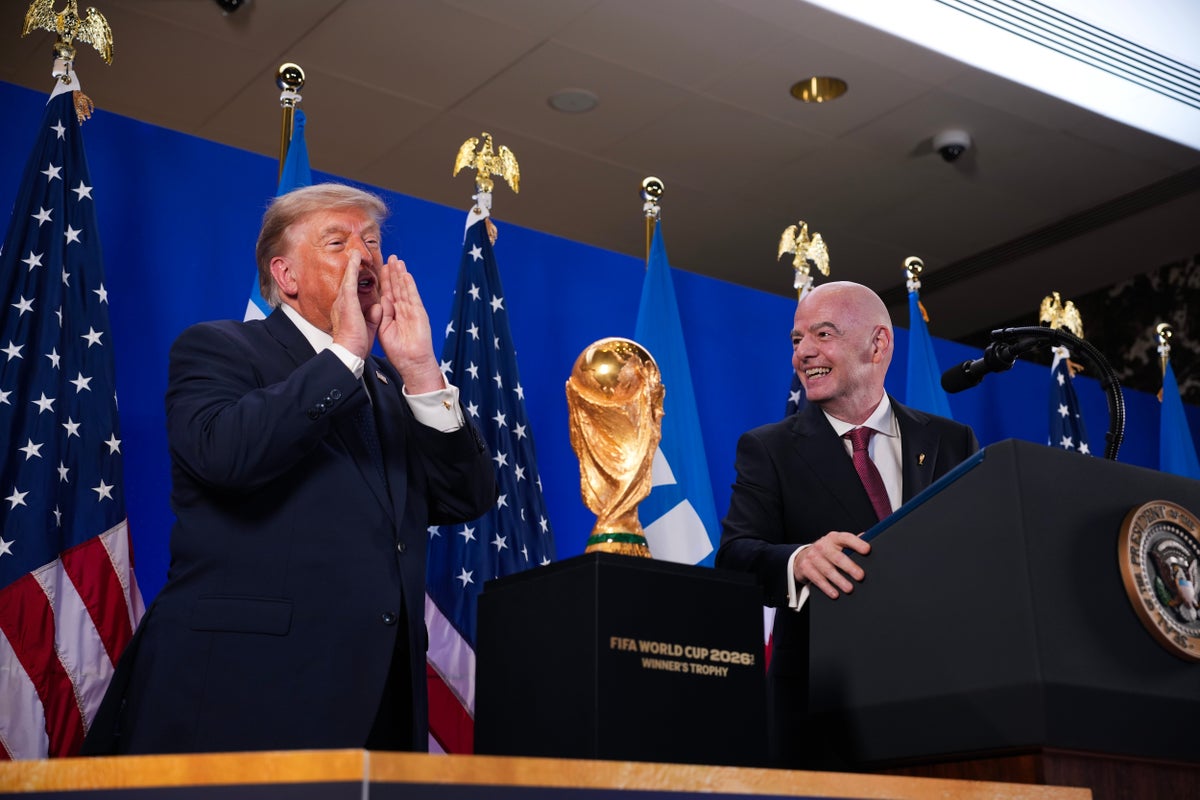
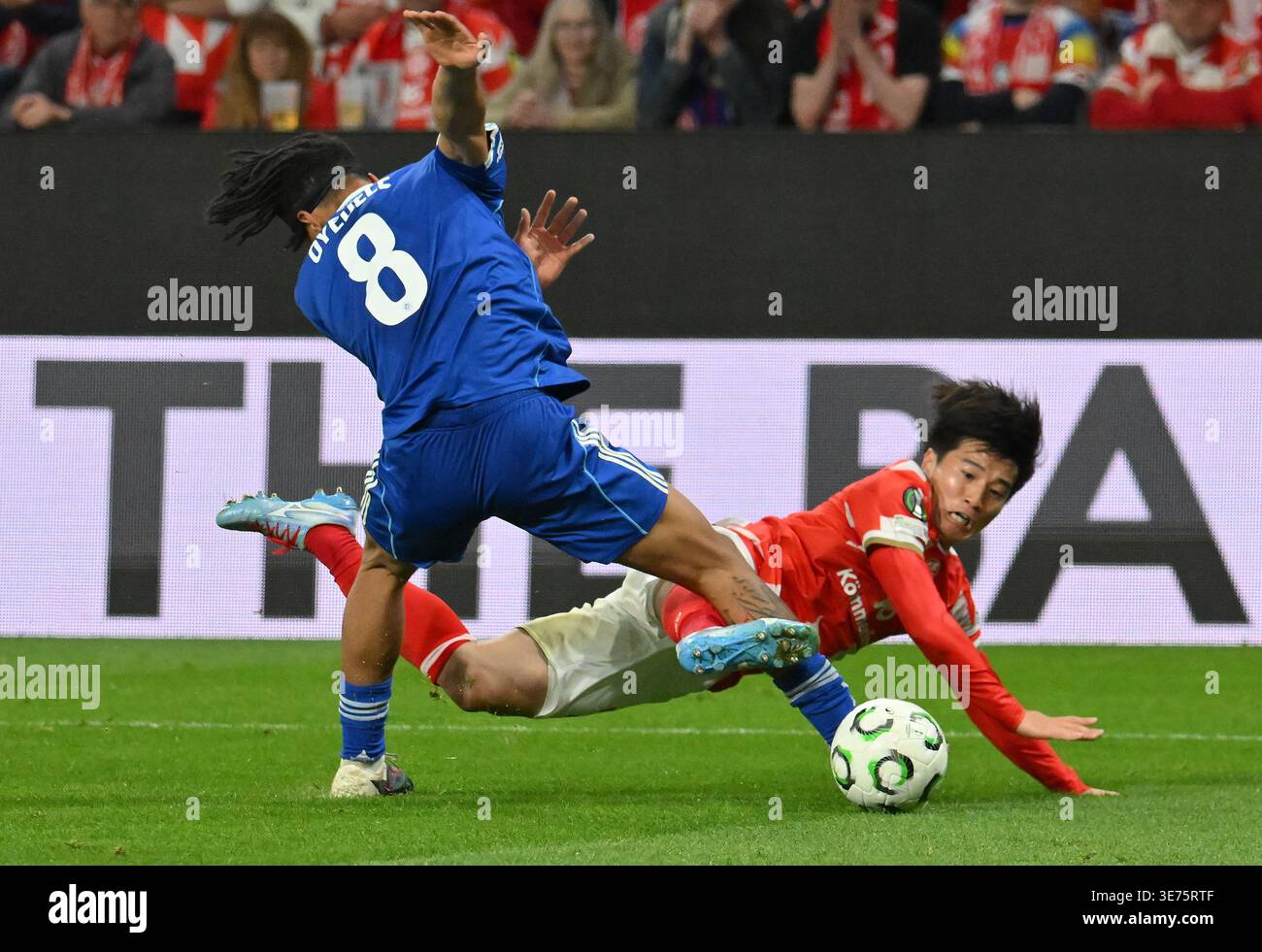
The dressing room after a World Cup semifinal defeat does not smell like defeat. It smells like deep heat, damp jersey fabric, and sudden, absolute silence. For weeks, the air has been thick with adrenaline, the roaring choruses of tens of thousands of fans, and the electric, terrifying belief that history is just one more whistle away. Then, the whistle blows. The wrong side wins.
The silence that follows is heavy. It sits in the chest.
For elite athletes, the semi-final loss is a unique form of psychological torture. You were close enough to touch the gold. You could see the reflections of the stadium lights on the trophy. But instead of the grand finale, you are handed an invitation to the third-place playoff.
It is the match that nobody truly wants to play. It is a consolation prize wrapped in a reminder of what could have been.
The Ghost on the Pitch
When England’s players walk out onto the pitch for a bronze-medal match, they do not walk alone. They carry the invisible weight of the match they lost three days prior. Sports psychologists call it a residual emotional load. The players just call it a scar.
Consider the reality of a modern international player. They have spent four years training for a singular moment. Every early morning gym session, every strict dietary restriction, and every agonizing minute of injury rehabilitation was directed toward lifting the world championship trophy. When that dream dies, the human body does not instantly reset. The nervous system remains trapped in a state of high alert, mourning a loss while simultaneously being demanded to perform at the highest level once more.
The public often views professional athletes as machines. We expect them to click a button, purge the disappointment, and transition instantly into a battle for third place. But the human mind does not work in binaries.
Imagine working for years on a career-defining project, only to watch a competitor secure the promotion at the final hour. Now imagine being told you have to present your rejected ideas to an empty auditorium the following afternoon just to determine who gets a nominal pat on the back.
That is the essence of the bronze-medal match. It is an exercise in public vulnerability.
The Anatomy of a Consolation
The physical toll of these tournament runs is documented in cold data. Distance covered, lactic acid accumulation, heart rate variability—the metrics show squads operating at the absolute limit of human endurance. Yet, the physical exhaustion is manageable. It is the emotional fatigue that breaks a squad.
When England faces this particular hurdle, the challenge is not tactical. The manager does not need to draw up a revolutionary formation or decipher a complex defensive press from the opposition. The real work happens in the quiet corners of the hotel dining room. It happens in the whispered conversations between teammates who are trying to find a reason to care about a bronze medal when their hearts are still buried under the grass of the semifinal pitch.
History shows us that these matches go one of two ways.
Sometimes, a team surrenders to the grief. They play with heavy legs and distracted minds, wanting nothing more than to board the plane home and see their families. The match becomes a sluggish, forgettable affair, a mere footnote in the tournament's history.
But there is a alternative path.
Sometimes, the anger takes over. The disappointment hardens into something sharp and useful. The match ceases to be a consolation prize and becomes an act of defiance. It becomes a declaration to the world, and more importantly to themselves, that they are still elite, even if the history books will not bear their names at the very top.
What is Left to Fight For
The motivation must shift. It cannot be about glory anymore. It becomes about pride, about the person standing to your left and right, and about the traveling fans who spent their life savings to sit in the upper tiers of a stadium thousands of miles from home.
Sports have a way of stripping away everything artificial until only the raw truth remains. A third-place playoff does not offer the glittering immortality of a World Cup title. It offers something much more human: a chance to look failure in the eye, to accept the pain of it, and to stand back up anyway.
When the whistle blows for kickoff, the scars do not disappear. Every sprint, every tackle, and every missed pass will carry the echo of the semifinal heartbreak. But as the minutes tick away, the focus narrows. The phantom pain of what might have been begins to fade, replaced by the immediate, visceral reality of the game itself.
The stadium lights will catch the sweat on the shirts. The crowd will roar for a goal. And for ninety minutes, a group of broken hearts will try to remember why they fell in love with this game in the first place.