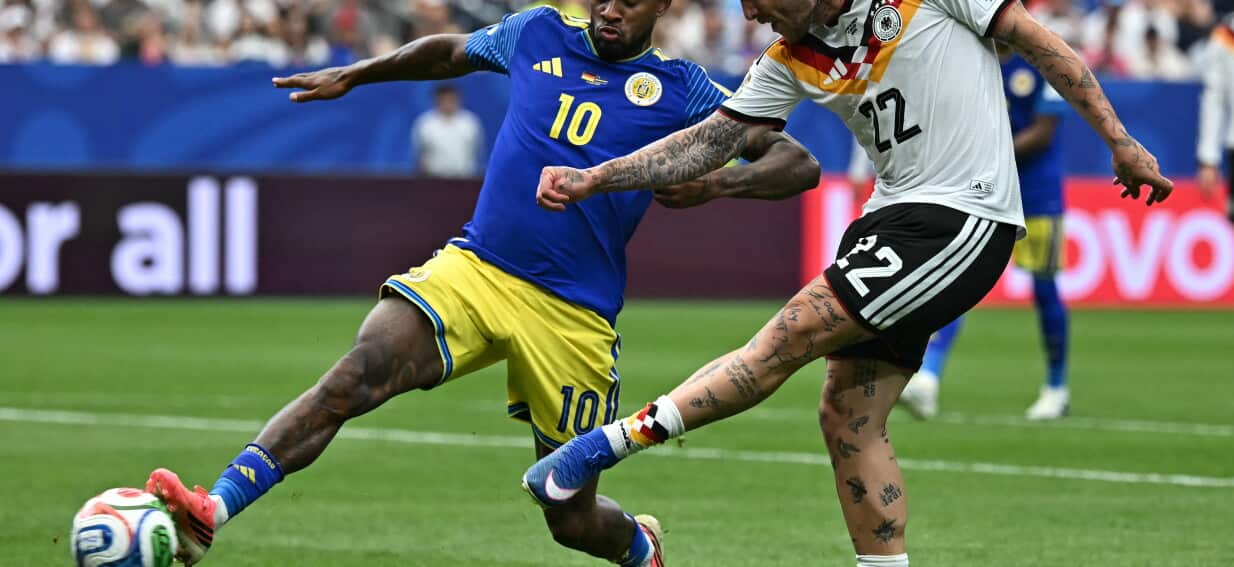
Small islands usually get ignored on the biggest sports stages. That isn't happening with Curaçao. When the Curaçao national football team secures its place in World Cup competition, they don't just send eleven players onto the pitch. They bring the entire culture, the music, and half the population of the Caribbean island with them.
It is a phenomenon that catches traditional football giants off guard. You see it in the stands long before kickoff. The sea of blue and yellow jerseys isn't just local fans who bought tickets. It is a massive, coordinated migration of families, musicians, and community leaders who treat a global tournament like a backyard barbecue. If you want to understand how a tiny nation of roughly 150,000 people punches so far above its weight, you have to look at the community driving them from the sidelines.
The Global Pipeline Fuelling Team Curaçao
Most people look at the roster and assume it is a standard national squad. It isn't. The secret to the island's football rise rests on a complex, deeply personal connection between Willemstad and the Netherlands.
Because of historical ties, many top-tier professional players born in Rotterdam or Amsterdam hold dual citizenship. For decades, these athletes chose the Dutch national team. Now, the tide has turned. Players are actively choosing to represent their heritage.
This isn't about finding a backup plan. It is about identity. Look at guys who played at the highest levels of European club football, like Cuco Martina or Leandro Bacuna. They brought elite tactical training back to the Caribbean. When they suit up, they aren't just playing for a federation. They play for their grandparents' neighborhood.
That shift changed the locker room chemistry completely. It created a blend of European tactical discipline and Caribbean flair that makes them incredibly difficult to scout. They play with a distinct freedom. You can't coach that kind of passion.
Why the Fan Migration Matters for the Island Economy
When half the island packs up for a tournament, life back home changes. Restaurants in Willemstad adjust their hours. Offices install massive projection screens. The local economy experiences a bizarre, beautiful pause where everything revolves around match schedules.
But the real story is the travel itself. Flying a massive contingent of supporters across the globe isn't cheap. It requires immense grassroots organizing.
- Local businesses sponsor fan travel packages to make sure lower-income relatives can attend.
- Musicians pack traditional instruments like the benta and drums to ensure the stadium sounds like home.
- Community groups coordinate charter flights that operate more like family reunions than commercial transport.
This isn't passive spectating. It is an active effort to project Curaçaoan culture to billions of television viewers. The fans understand their role. They are ambassadors in bright blue shirts.
The Tactical Shock of Caribbean Fandom
European and South American teams are used to intense crowds. They are used to hostile whistling, organized ultras, and synchronized chanting. They aren't used to a party.
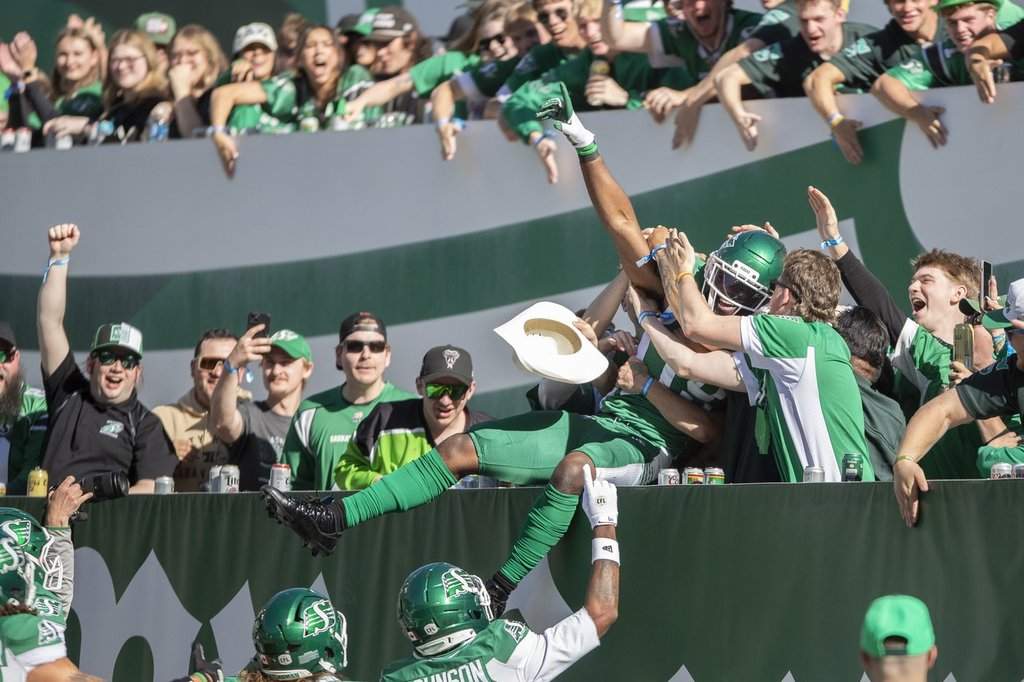
During matches, the Curaçaoan section doesn't stop moving. The rhythm is relentless. It mimics the energy of the Tumba festival back home. Opposing defenders have openly admitted that the constant, upbeat wall of sound makes it difficult to communicate on the field. It breaks the clinical, corporate atmosphere of modern stadiums.
That is the real competitive advantage. The players feel insulated from the pressure of the global stage because the environment feels identical to a kickaround at the local pitch in Brievengat. They don't freeze under the bright lights because their uncle is literally shouting encouragement from the third row.
What Other Small Nations Can Learn
You don't build a world-class football program overnight by throwing money at it. Look at the failed projects around the globe where wealthy nations tried to buy success. It fails because you can't buy a soul.
Curaçao success provides a blueprint for other Caribbean and Pacific islands. First, embrace your diaspora. Don't treat overseas-born players like outsiders. Welcome them home. Second, integrate your local culture into the team's identity.
The main mistake federation officials make is trying to copy European models exactly. They hire rigid coaches who try to stamp out the natural rhythm of the players. Curaçao succeeded because they let their players be precisely who they are. They don't overthink the tactics. They play fast, they play physical, and they let the crowd carry them through the difficult stretches of the match.
If your nation is trying to break into the international sporting scene, stop looking at what the giants are doing. Look at the stands. If your fans aren't willing to travel across the world with their instruments, your program isn't ready yet. Build the community first, and the wins will follow naturally.