Curfews lower nighttime street volatility by raising the immediate cost of movement, yet they leave the underlying economic and political grievances intact. Standard breaking news coverage treats curfews as a simple cause-and-effect switch: violence rises, the state imposes a curfew, and calm returns. That framing misses how crowd dynamics, municipal enforcement capacity, and public legitimacy interact during prolonged civil unrest.
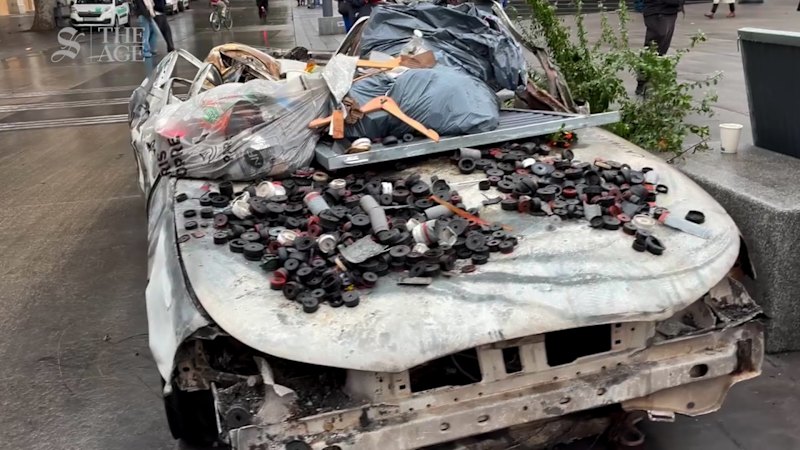
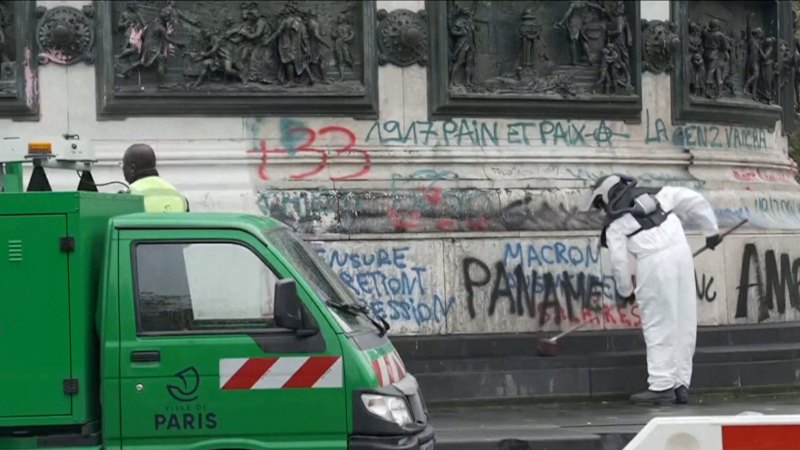
In October 2026, French authorities deployed partial and targeted curfews across parts of Paris and other cities after cost-of-living protests, student walkouts, and union marches spilled into arson, looting, and clashes with security forces. Reported estimates pointed to roughly $1 billion in economic losses alongside around 2,000 damaged or looted shops and more than 2,400 arrests in the early days of the crackdown, though final tallies and attributions remained contested as unrest continued into late October and early November.
Understanding whether curfews stabilize a crisis or merely displace it requires separating immediate crowd suppression from long-term political resolution. Surface reporting often conflates three distinct layers of the problem:
- Immediate crowd containment: Restricting movement during high-risk hours to shrink street visibility and simplify arrest or dispersal operations.
- Economic and institutional friction: High living and fuel costs, school disruptions, and budget battles that fuel broad participation across students, workers, and local residents.
- Legitimacy and signaling: How political leaders frame blame, how courts process cases, and whether residents view enforcement as proportionate or heavy-handed.
What Standard Coverage Gets Wrong About Curfews
Typical news reports describe curfews as a direct antidote to rioting whenever a quiet night follows an announcement. In practice, a curfew is a temporary friction mechanism, not a resolution. It alters the geometry of public space by giving police a clear legal threshold to challenge gatherings before property damage escalates.
Three analytical blind spots recur in routine coverage of French unrest:
- Confusing quiet nights with durable de-escalation: A drop in nighttime arson or looting after a curfew order does not prove that grievances have cooled. Daytime marches, school blockades, transit disruptions, and follow-on protest dates can still surge when underlying pressures go unaddressed.
- Treating crowds as a single actor: Demonstrations over living costs, fuel prices, and educational conditions draw distinct groups—students, union members, ordinary households, and smaller factions intent on property destruction or confrontation. Lumping every participant together obscures why peaceful marches and violent outbreaks often happen on the same weekend.
- Overstating attribution before investigations conclude: Officials and commentators frequently point to specific political factions or external agitators during peak tension, even when arrest data and ongoing probes show a mix of motivations or remain inconclusive. Separating verified facts from political claims is essential for accurate risk assessment.
The Cost Function of a Curfew
Every curfew operates inside a trade-off between public order and civil or economic disruption. A practical way to evaluate the policy is through its operational cost function, which weighs enforcement load against behavioral compliance.
Enforcement Load and Geographic Scope
A curfew only works where authorities can enforce it credibly. Nationwide blanket orders strain police manpower and spark broad pushback, whereas localized or age-targeted curfews concentrate officers on flashpoint districts or specific hours. In October 2026, French officials relied on partial and locally bounded curfews in places such as parts of Paris alongside minor-focused rules in cities like Nice and several northern towns.
When enforcement relies heavily on riot units, transit closures, and fast-track prosecutions, two side effects emerge:
- Resource depletion: Extended deployments fatigue officers and pull personnel away from routine policing and preventative patrol.
- Displacement risk: Tightening one neighborhood or time window can shift friction to adjacent districts, daytime windows, or symbolic public sites.
Compliance Thresholds and Legitimacy
Compliance depends on whether ordinary residents view the restriction as a short-term safety measure or an overreach that punishes bystanders. If commuters, students, and small shopkeepers already feel squeezed by living costs or frustrated by contested legislative maneuvers, heavy-handed policing can harden resentment. Conversely, when residents see storefronts burned and transit halted, many accept temporary limits if they appear targeted and time-bound.
Curfews buy time for political and administrative action; they do not manufacture political consent on their own.
Cause-and-Effect Chains Behind the Unrest
Shallow reporting lists grievances and violent incidents side by side without tracing how they feed each other. In complex urban protests, cause and effect run through feedback loops rather than a single straight line.
From Economic Squeeze to Broad Mobilization
Household strain over everyday expenses—such as groceries, housing, and fuel—lowers the threshold for joining street actions. When students, workers, and unions mobilize around overlapping frustrations, crowd sizes grow large enough that standard perimeter control becomes harder to maintain. Large crowds create cover: opportunistic looters and confrontational groups can blend into lawful marches, turning localized flashpoints into widespread property damage.
From Clashes to Escalation Spirals
Once clashes begin, tactical actions carry second-order effects. Tear gas, perimeter lockouts, and high arrest counts can suppress immediate street activity while fueling anger among onlookers who feel caught in the middle. At the same time, political blame games—such as trading accusations between national officials and local mayors over who lost control or who bears political responsibility—can widen the divide between central authorities and city leadership.
Known facts in these episodes include official curfew decrees, arrest and injury counts reported by authorities, documented damage to shops and public buildings, and subsequent union or student mobilization calls. Educated hypotheses include predictions about how specific curfew durations will alter next-weekend turnout or whether policy concessions will defuse future strikes—claims that remain conditional on crowd behavior and political negotiations.
Evaluating Containment Versus Resolution
Comparing curfew-led containment against alternative or complementary responses highlights why no single measure solves recurring unrest.
- Targeted curfews: High near-term utility for cutting nighttime looting and street clashes in defined zones, but low ability to resolve root grievances and vulnerable to backlash if prolonged without clear criteria.
- Broad protest bans: Can deter organized gatherings in specific cities on a given day, yet risk pushing frustrated groups into uncoordinated flashpoints or intensifying legal and political disputes.
- Targeted policy or administrative concessions: Address specific demands—such as educational reforms or cost-of-living relief—more effectively than curfews can, but take time to negotiate, budget, and deliver, leaving a near-term gap on the streets.
The primary limitation of any security-first strategy is structural: police powers can clear streets at night, but they cannot lower household bills or resolve parliamentary gridlock. Over-relying on curfews without parallel de-escalation channels risks turning episodic protests into a recurring cycle of confrontation and crackdown.
Strategic Play for Containing Unrest Without Deepening Fracture
For policymakers and municipal leaders managing active curfew orders, the strongest immediate move is to pair narrow, time-bound nighttime restrictions with clear off-ramps and targeted institutional dialogue. Keep curfews geographically specific and tied to explicit de-escalation benchmarks rather than open-ended rhetoric, communicate transit and curfew rules predictably so everyday workers and families are not caught off guard, and separate crowd-control enforcement from constructive talks with peaceful student, union, and local leaders before the next scheduled mobilization window.