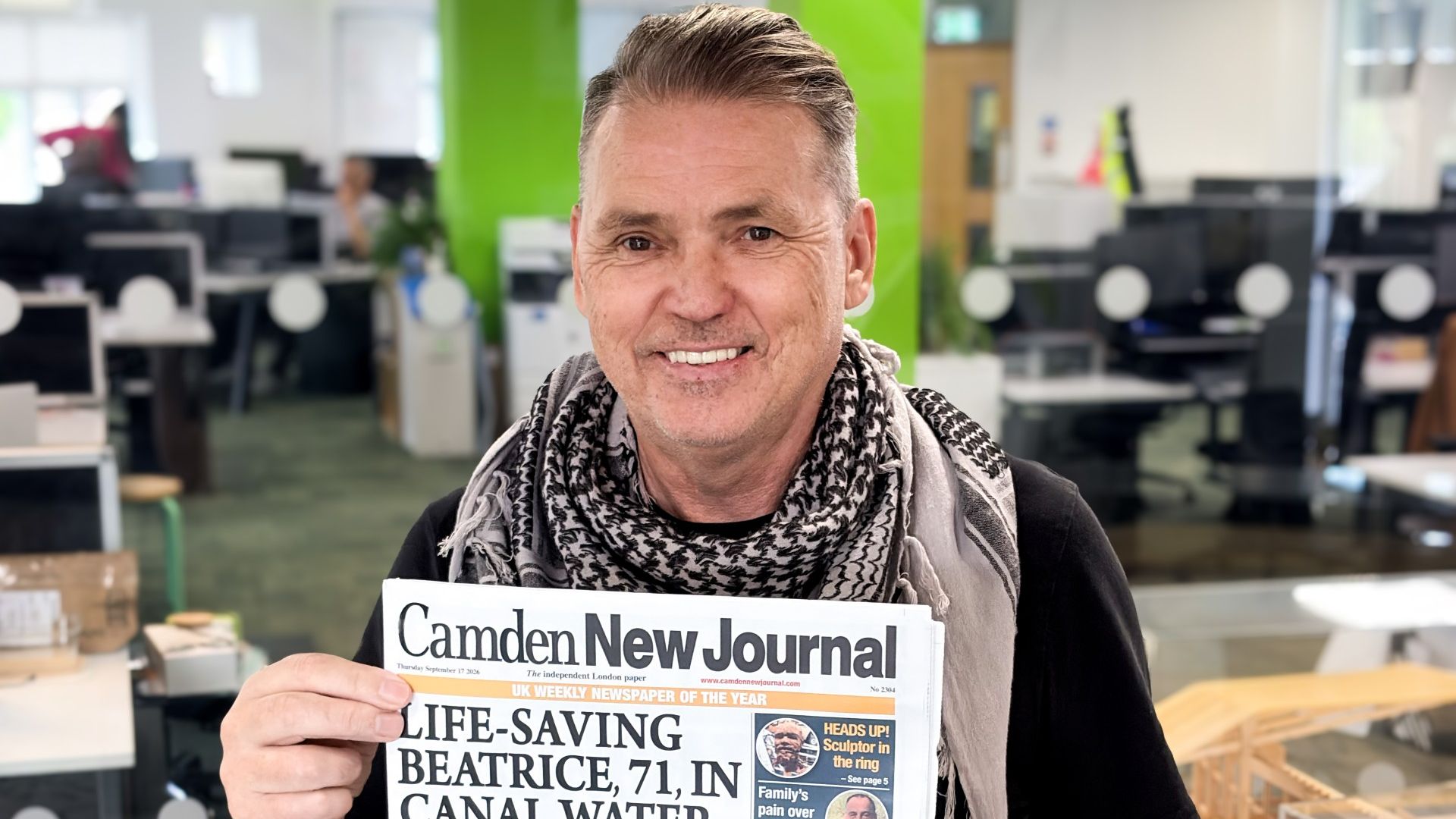
Green energy tycoon and prominent Labour donor Dale Vince is stepping back into the media arena. Two years after his aborted attempt to acquire The Observer, Vince has set his sights on local journalism, launching a rescue package for the publishing group behind the Camden New Journal, Islington Tribune, and Westminster Extra.
If you thought wealthy donors only funded political campaigns or green tech start-ups, think again. Billionaires and multi-millionaires are increasingly looking at media assets as instruments of cultural influence. But unlike national broadsheets or tabloid giants, this move targets the fragile ecosystem of independent local reporting.
The Strategy Behind the Local Press Rescue
Local newspapers are bleeding cash. Digital advertising models have gutted traditional print revenue, leaving community titles vulnerable to closure or corporate buyouts that strip away their local character. Enter Vince, who announced plans to invest heavily in the group and build a broader London-wide news operation.
His stated motivation? Taking on what he perceives as right-wing bias entrenched within the British media landscape.
Instead of buying a struggling national Sunday title like The Observer, where corporate legacy and institutional pushback proved difficult, Vince is pivoting to hyper-local infrastructure. Local papers hold immense sway over grassroots politics, council accountability, and community discourse. By securing titles that matter to London neighborhoods, he gains a direct channel to urban readers.
What Happened to the Observer Bid?
To understand Vince’s current media play, you have to look backward. A couple of years ago, the green energy entrepreneur floated ambitions to acquire The Observer, the world's oldest Sunday newspaper, while it was up for sale by the Guardian Media Group. That deal ultimately didn't materialize, leaving major media watchers wondering if his ambitions to break into publishing were dead in the water.
They weren't.
Losing out on a legacy national title forced a tactical shift. National newspapers come with massive overheads, entrenched editorial cultures, and fierce ideological branding. Local independent papers, by contrast, offer a more malleable platform. They rely heavily on community trust, making them fertile ground for a donor with deep pockets and a specific political worldview to build alternative readership loyalty.
Can Money Fix Local Journalism?
Pouring millions into print and digital local news sounds noble, but it comes with sharp questions. Can external funding truly save a dying business model, or does it simply create a subsidized mouthpiece?
Staff at titles like the Camden New Journal have historically guarded their editorial independence fiercely. Partnering with a high-profile political donor like Vince—who famously pumped millions into Labour’s general election campaign and backed climate action groups like Just Stop Oil—raises eyebrows. Critics will inevitably question where independent reporting ends and partisan narrative-building begins.
Yet, for newsrooms facing bankruptcy or drastic staff cuts, financial lifelines from wealthy benefactors often look less like ideological compromises and more like survival. When traditional market forces fail local journalism, alternative capital becomes the only game in town.
Expect to see more wealthy individuals bypass traditional corporate media conglomerates to fund localized news networks. Whether this trend revitalizes community accountability or turns local headlines into proxy political battlegrounds depends entirely on how much operational freedom these new backers actually hand over to local editors.