The coffee in the guardroom was lukewarm, tasting of styrofoam and impending exhaustion. It was just past 2:00 AM when the monitors blinked. Not a flicker of power failure. Not the standard glitch of an aging infrastructure. It was a sudden, violent erasure of data streams.
In a modern correctional facility, silence is terrifying. But digital silence is a different kind of monster.
When an Ontario provincial jail suffered a severe security breach that forced authorities to rip their servers completely offline, the official press releases used words like "containment protocols" and "precautionary measures." They spoke in the sterile language of IT professionals trying to soothe a jittery public.
They didn't talk about the human friction inside the concrete walls.
Consider a hypothetical guard we will call David. David has spent twelve years walking the ranges. He knows the rhythms of the house—the metal clatter of meal trays, the low hum of television sets, the precise weight of his keys. He relies on a complex digital ecosystem to keep himself and the inmates safe. Every biometric scan, every automated log, every digital record of who is supposed to be where is a vital organ of the institution.
Suddenly, that organ stops beating.
The Invisible Architecture of Control
We tend to think of prisons as blunt instruments. Concrete. Steel. Razor wire. We view them as physical fortresses designed to keep the outside world out and the inside world in.
That view is dangerously outdated.
Behind every heavy steel door is a network cable. Modern correctional facilities run on data. The records of who is scheduled for court, who requires specific psychiatric medication, which inmates must be kept separated due to active gang rivalries—all of this exists in the cloud, flowing through servers that most staff members never see.
When cyberattackers breach those systems, they are not just stealing numbers. They are scrambling the DNA of the prison.
Imagine the immediate fallout. Without access to the central servers, staff are suddenly blind. They have to revert to paper logs, frantically dug out of old storage closets. Pen and ink replace high-speed databases.
The pace of the institution grinds to a halt. Inmates who were supposed to be released on bail remain stuck in holding cells because the paperwork cannot be verified. Court dates are missed. The delicate balance of tension that governs a jail begins to warp. Inmates become anxious, then angry. Staff become hyper-vigilant, their nerves frayed by the sudden loss of their digital eyes.
This is the true cost of a cyber breach in the public sector. It is not measured in lost revenue or fallen stock prices. It is measured in human anxiety and escalating physical risk.
Anatomy of a Digital Lockdown
The decision to pull the plug is never easy. It is an act of desperation. It is the IT equivalent of a surgeon applying a tourniquet to a limb, knowing it might cause permanent damage but recognizing it is the only way to stop the patient from bleeding to death.
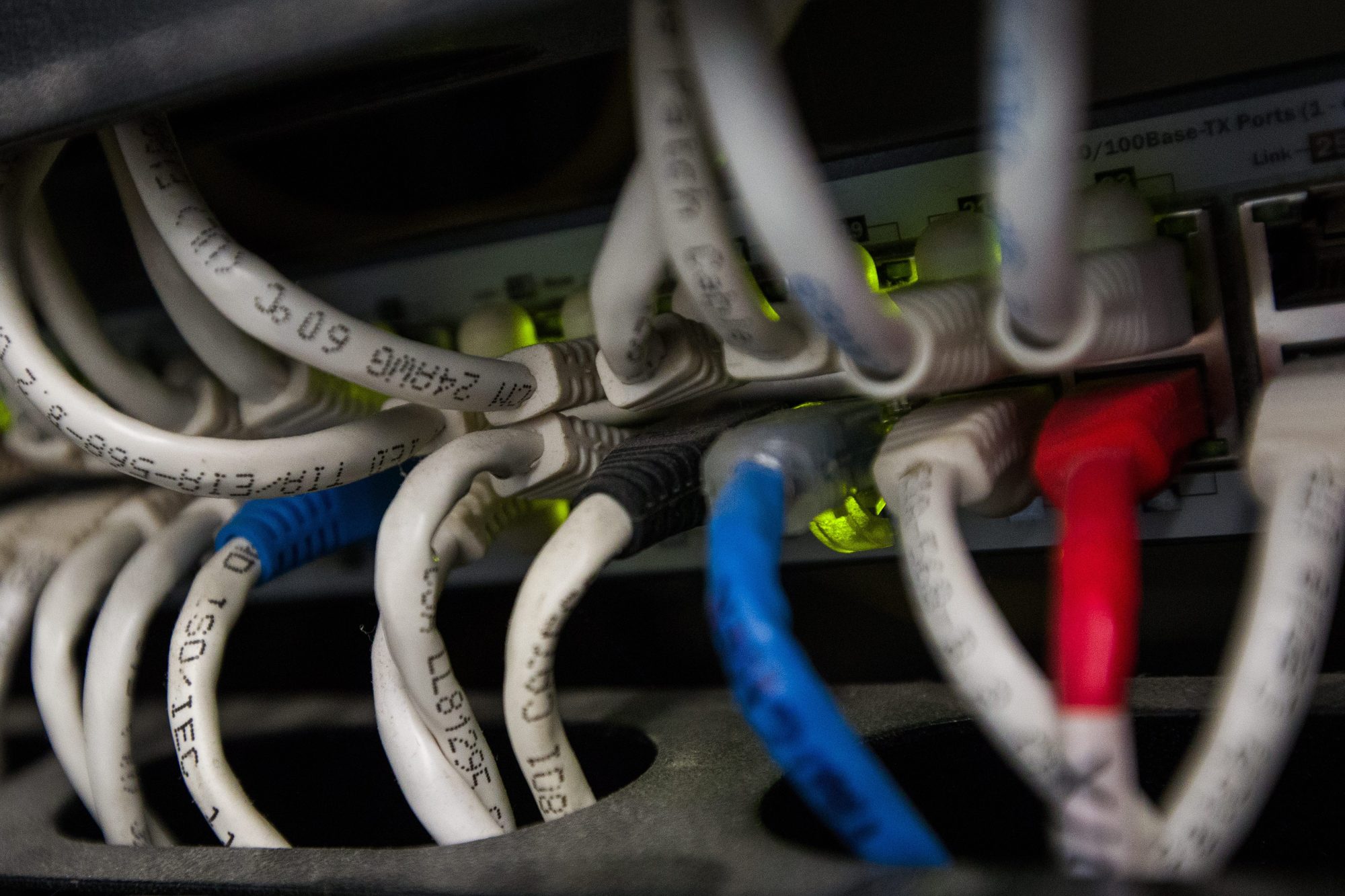
When the breach was detected in Ontario, technicians had to move fast. In a standard corporate environment, isolating a compromised server might take hours of careful diagnostics. In a jail, you do not have hours. You yank the cords. You kill the network.
But what happens when you isolate a system that is fundamentally interconnected with the outside world?
- The Courtroom Bottleneck: Judges sit in empty courtrooms waiting for video links that will never connect.
- The Medical Crisis: Nurses cannot access electronic health records to verify dosages for critical medications like insulin or anti-psychotics.
- The Family Limbo: Loved ones waiting outside for news of a scheduled release are turned away at the gate, given no explanations other than "the system is down."
The ripple effect moves fast. It moves from a server rack in a secure basement out into the community, disrupting the lives of hundreds of people who have never even seen the inside of a jail cell.
The vulnerability is terrifyingly simple. Most public sector infrastructure is built on a patchwork of legacy systems and modern upgrades. It is a house of cards. A single phishing email opened by a tired employee on a Friday afternoon can provide the keys to the entire kingdom.
The Vulnerability We Choose to Ignore
We are addicted to convenience, and the justice system is no exception. Digital logging makes everything faster. It streamlines tracking. It reduces the mountain of physical paperwork that used to clog administrative offices.
But convenience has a dark twin: centralization.
When everything is connected, everything is vulnerable. If an attacker gains access to the administrative servers, they are only a few steps away from the systems that control access logs, visitor schedules, and internal communications.
The public often asks why these institutions are so easily targeted. The truth is uncomfortable. Public sector IT departments are chronically underfunded, overworked, and forced to defend massive, sprawling networks against adversaries who only need to get lucky once. Hackers know that governments cannot afford prolonged downtime. They know that the pressure to restore order in a correctional facility is immense. That makes these institutions prime targets for extortion.
It is a quiet war fought in the dark.
The Long Road to Recovery
Restoring a compromised network inside a jail is not as simple as running an antivirus scan and rebooting the machine. Every single device that was connected to the network must be forensically examined. Every terminal, every laptop, every digital camera must be scrubbed.
For days, perhaps weeks, the institution must operate in a state of artificial paralysis.
David, our hypothetical guard, finishes his shift long after the sun has come up. His hands are stained with ink from logging entries by hand. His back aches from the extra hours spent managing the mounting frustration on the ranges. The digital screens around him remain dark, blank mirrors reflecting the exhaustion of a staff caught in the crossfire of a war they cannot see.
The servers will eventually come back online. The data will be restored. The press releases will declare that the incident has been resolved and that security measures have been enhanced.
But the illusion of absolute digital safety has been shattered. The walls are no longer enough to keep the danger out.