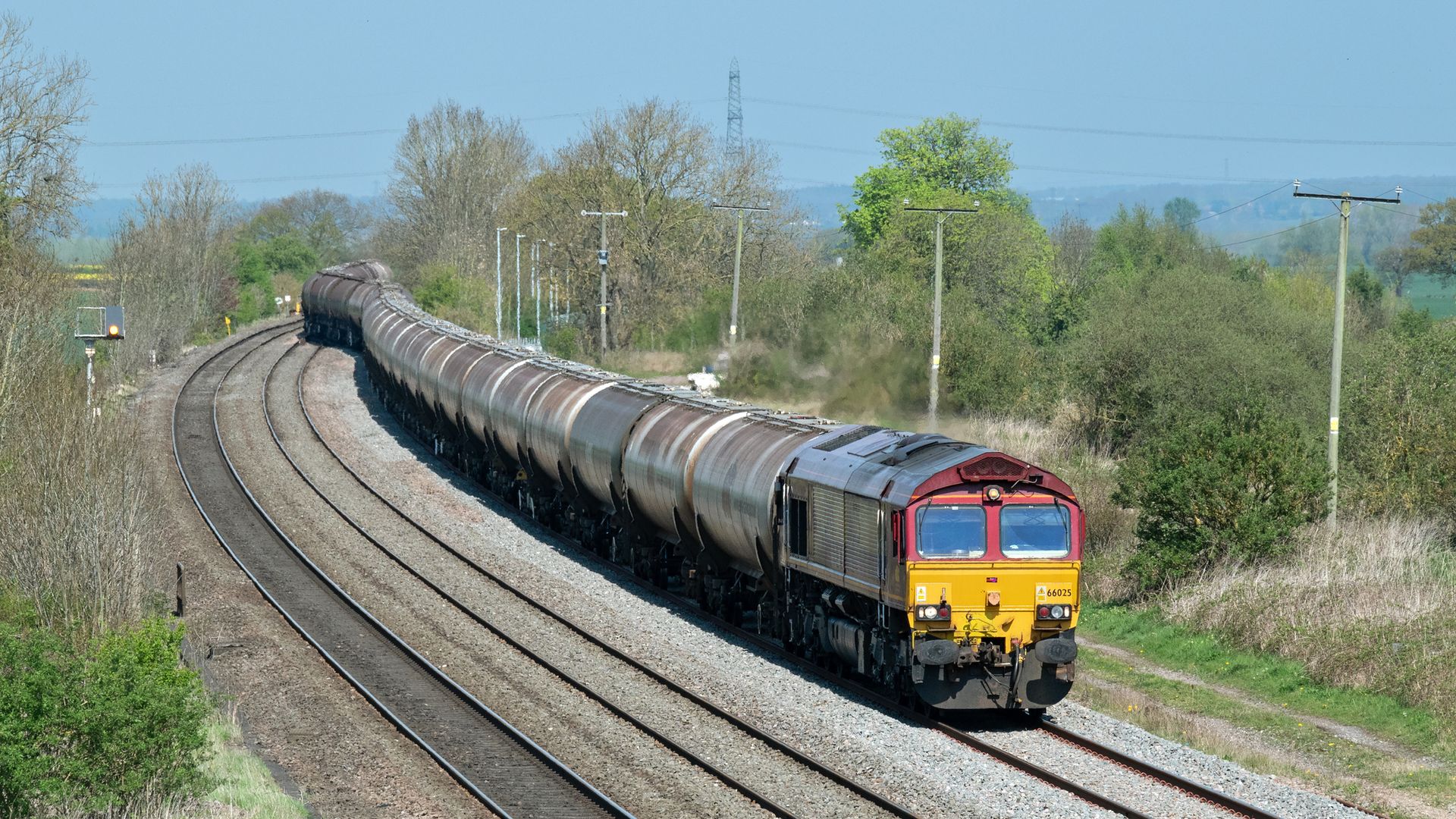
When a European transport behemoth decides to shed its foreign assets, you know the financial pressure has reached a boiling point. DB Cargo UK, one of the absolute heavyweights of British rail logistics, has officially been put up for sale by its German parent company, Deutsche Bahn. If you think this is just a routine corporate reshuffling, you are missing the bigger picture. This move exposes the severe economic strains facing state-backed European rail operators and marks the end of an era for a company that traces its roots back to the privatization of British Rail.
The structured sale process, managed alongside financial and legal advisers including Interpath, did not happen in a vacuum. It is the direct consequence of a high-stakes reckoning in Brussels and Berlin.
The European Pressure Cooker Behind the UK Sale
To understand why DB Cargo UK is looking for a new owner, you have to look across the English Channel. Parent company Deutsche Bahn is executing a massive strategic retreat to focus entirely on its core Central European operations.
Why the sudden shift? Blame the European Commission. Following a stringent State Aid ruling regarding financial support for DB Cargo, Brussels demanded a complete overhaul of how the German state railway funds its cargo division. While the European Commission greenlit substantial German government backing, it came with painful strings attached. DB Cargo had to terminate its long-standing loss-covering arrangement with Deutsche Bahn and chart a clear, unassisted course toward long-term profitability.
Keeping a sprawling, capital-intensive British subsidiary afloat no longer fit the mandate. DB Cargo AG needed to stop the financial bleeding abroad to satisfy regulators at home. Deutsche Bahn is simultaneously restructuring its domestic workforce, with plans to streamline thousands of positions in Germany by 2030. Selling the UK operation is a survival mechanism, plain and simple.
What DB Cargo UK Actually Brings to the Table
Despite the parent company's financial headaches, DB Cargo UK is far from a broken business. Chief Executive Andrea Rossi and his management team have spent recent years pushing aggressive internal transformation programs. They managed to squeeze real operational efficiencies and performance improvements out of a legacy network.
The company remains a dominant fixture in the British supply chain:
- Employing roughly 2,200 people across key logistics hubs.
- Managing a massive fleet of locomotives and wagons hauling bulk freight, construction aggregates, and automotive components.
- Operating vital infrastructure and passenger charter services alongside cross-border European freight through the Channel Tunnel.
Yet, these internal upgrades were not enough to shield the company from brutal external market pressures. Skyrocketing operating costs, fluctuating demand across traditional industrial sectors, and lower overall freight volumes battered the company's revenue streams. When your cost base swells while key markets contract, operational efficiency only cushions the blow for so long.
The Real Stakes for the British Rail Freight Sector
The auction of DB Cargo UK sends a loud signal to the wider logistics market. Britain's rail freight sector operates on tight margins. It requires immense capital expenditure for rolling stock renewal, terminal management, and decarbonization initiatives.
When a state-backed giant like Deutsche Bahn pulls its financial safety net, private equity firms, infrastructure funds, and rival operators will circle like hawks. Whoever steps in to buy DB Cargo UK will inherit a massive asset base and an extensive property portfolio, but they will also face the immediate challenge of modernizing an aging fleet and navigating volatile industrial relations. Trade unions are already watching closely as management promises open communication throughout the bidding process.
For customers relying on these freight paths to move steel, coal, biomass, and consumer goods across Britain, stability is the primary concern. Day-to-day operations continue as normal for now, but a change in corporate ownership inevitably brings strategic shifts.
Watch how quickly the advisory teams field bids over the coming months. The outcome will dictate whether DB Cargo UK finds the deep-pocketed savior it desperately needs or faces a more fragmented future under new private ownership.