The distance between Leeds, West Yorkshire, and Theriot, Louisiana, is roughly five thousand miles. It is an expanse of cold Atlantic water, rolling Southern bayous, and vast stretches of tarmac. Under normal circumstances, a young man growing up in a working-class British town would never cross paths with a boy living in the wetlands of the American South.
But our world no longer operates under normal circumstances. Geography has been flattened. The physical distance between human beings has been replaced by the glowing, instant, and frictionless reality of a digital connection.
On October 30, 2024, that connection became a conduit for an act of unprecedented malice.
Travis Dyer was twenty-one years old. He lived in Louisiana, a place of heavy air and Spanish moss, but his internal world was defined by a profound, agonizing loneliness. He was a young man who had already survived more tragedy than a person should face in a lifetime. A decade earlier, a devastating car crash had stolen his mother and his younger sister in a single, cruel afternoon. He was raised by his great-grandmother, Vivian Mahoney, who adored him, describing him as a shy, smart, and resilient boy.
Yet, resilience has its limits. The weight of his grief left Travis vulnerable. His mental health fractured. Like millions of lonely young people seeking a lifeline, he turned to the internet to find a community. He logged onto Discord, a voice and text platform popular with gamers, searching for a space where his pain might be understood.
Instead, he found Dylan Phelan.
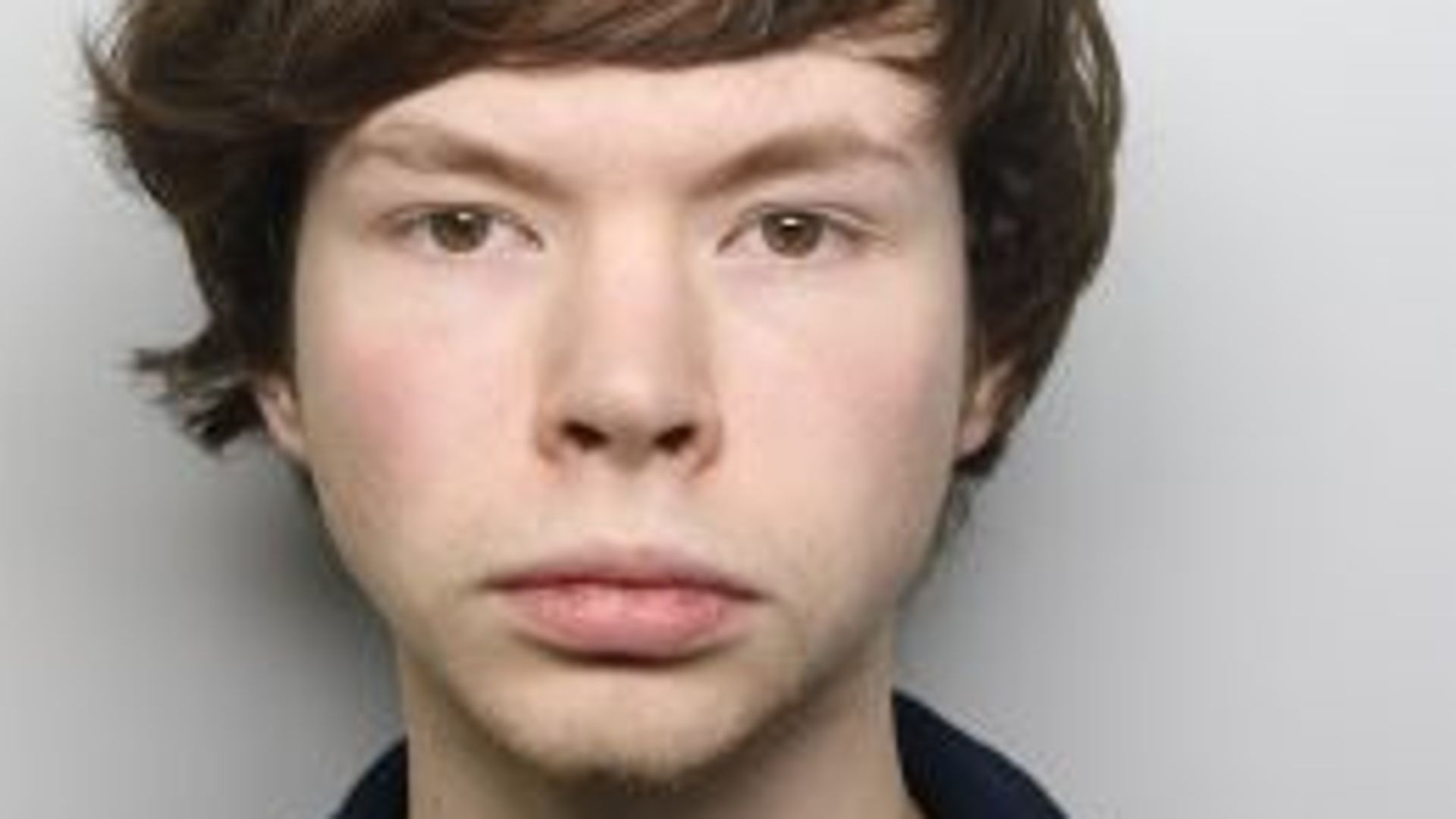
Phelan was also twenty-one, living in Morley, a suburb of Leeds. To his parents, he was just a son spending hours in his bedroom, his face illuminated by the blue light of a computer monitor. But inside those private digital channels, Phelan was exploring something dark. He had become drawn to the underbelly of the internet, joining groups where vulnerability was not comforted, but exploited.
Consider how easily a digital relationship can be warped. When you sit in a room by yourself, typing words into a chatbox, the person on the other side of the screen can cease to feel human. They become a character in a game. Their pain becomes a spectacle. For months, Phelan and two other American members of an online group subjected Travis to a relentless, systematic campaign of psychological cruelty.
It was a form of digital grooming. They did not offer support; they fed on Travis’s despair. They encouraged him to mutilate himself. At one point, the psychological hold Phelan possessed was so absolute that Travis carved the British man's name into his own flesh.
The horror culminated on that late October evening. Travis was in his room in Louisiana, holding a shotgun. Five thousand miles away, Phelan and his associates were watching him via a live video call.
They did not call for help. They did not try to talk him down.
Instead, they pushed.
"This is the last time seriously," Phelan told Travis through his microphone, his voice carrying clearly across the ocean. "The last time you will ever feel it."
They goaded him. They cheered. They watched through their screens as Travis pulled the trigger and ended his life.
The call ended. The screen went black. In Louisiana, a family was destroyed. In Leeds, a young man closed his laptop.
For months, the truth remained buried in the digital ether. Phelan even shared a video recording of the suicide with another unsuspecting online acquaintance, a gamer from Doncaster who believed they were all just part of a standard mental health support group. When that acquaintance finally saw the footage, the illusion of internet anonymity shattered. He realized that the people we think we know online are often capable of horrors we cannot fathom.
The silence broke in March 2025. The burden of what he had done, combined with the fact that a woman he met online had discovered his secret, forced Phelan's hand. He confessed to his parents. In a state of shock, they walked their twenty-one-year-old son into the Elland Road Police Station in Leeds to hand him over to the authorities.
When West Yorkshire Police seized Phelan’s digital devices, they uncovered a repository of malice that extended beyond the death of Travis Dyer. Investigators found an indecent image of a child and extreme pornography. The morbid curiosity that drove him to watch a young man die was part of a broader, systemic moral rot.
On Friday, June 12, 2026, Dylan Phelan sat in the dock at Leeds Crown Court to face justice.
The legal system has historically struggled to keep pace with the borderless nature of digital crime. How do you punish a man for a death he caused with his words from an entirely different continent? The prosecution, led by the Crown Prosecution Service, made it clear: the internet is not a lawless frontier. Under Section 2 of the Suicide Act 1961, encouraging or assisting suicide is a severe criminal offense, regardless of whether it happens on a street corner or in a Discord server.
Mr. Justice Cotter, sentencing Phelan, did not mince words. He noted that Phelan was motivated by a "morbid curiosity" and a desperate desire to feel power. "You wanted to feel like you had control over the actions of another," the judge told him. "You showed no respect for the life of Travis Dyer."
Phelan was sentenced to six years and four months in prison. He was also handed a ten-year sexual harm prevention order.
From her home in America, Travis’s great-grandmother watched the sentencing through a video link—the very medium that had facilitated her great-grandson’s demise. "That future was stolen," she said simply.
Outside the courtroom, Phelan’s mother, Michelle Walker, expressed her grief and prayers for the Dyer family, stating that she would never stop fighting to protect young people from the dangers lurking online. In Louisiana, the sentiment was wrapped in raw anger. Andrea Benoit, a close friend of Travis, struggled to comprehend how people could celebrate the destruction of a human life. "I just can't imagine that kind of evil is in existence," she said.
We often treat the internet as a tool, an objective utility like electricity or running water. We forget that it is an environment—one that can amplify the worst impulses of the human psyche. It allows the cruel to find the vulnerable, and it strips away the natural empathy that comes from looking another human being in the eye.
Dylan Phelan will spend his twenties behind a set of concrete walls in a British prison. But the true tragedy remains thousands of miles away, in a quiet home in Louisiana, where an empty bedroom stands as a stark, permanent reminder that words spoken into a microphone can kill as surely as any weapon.


