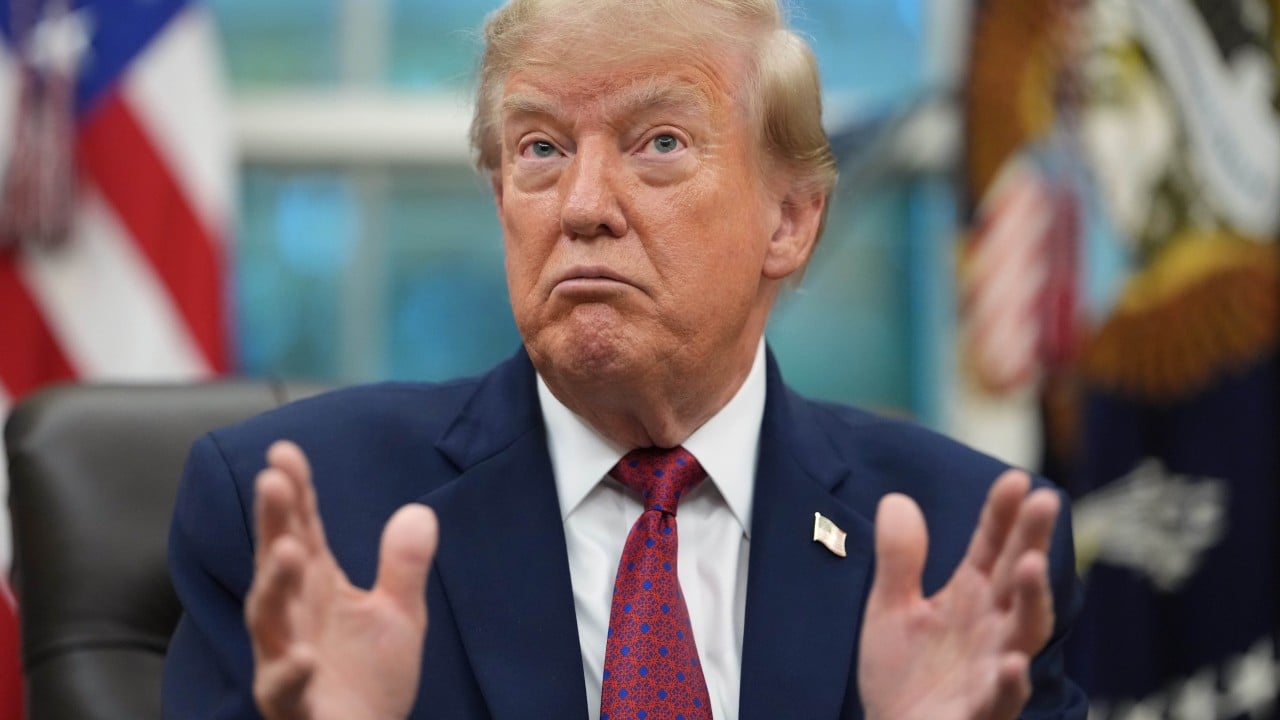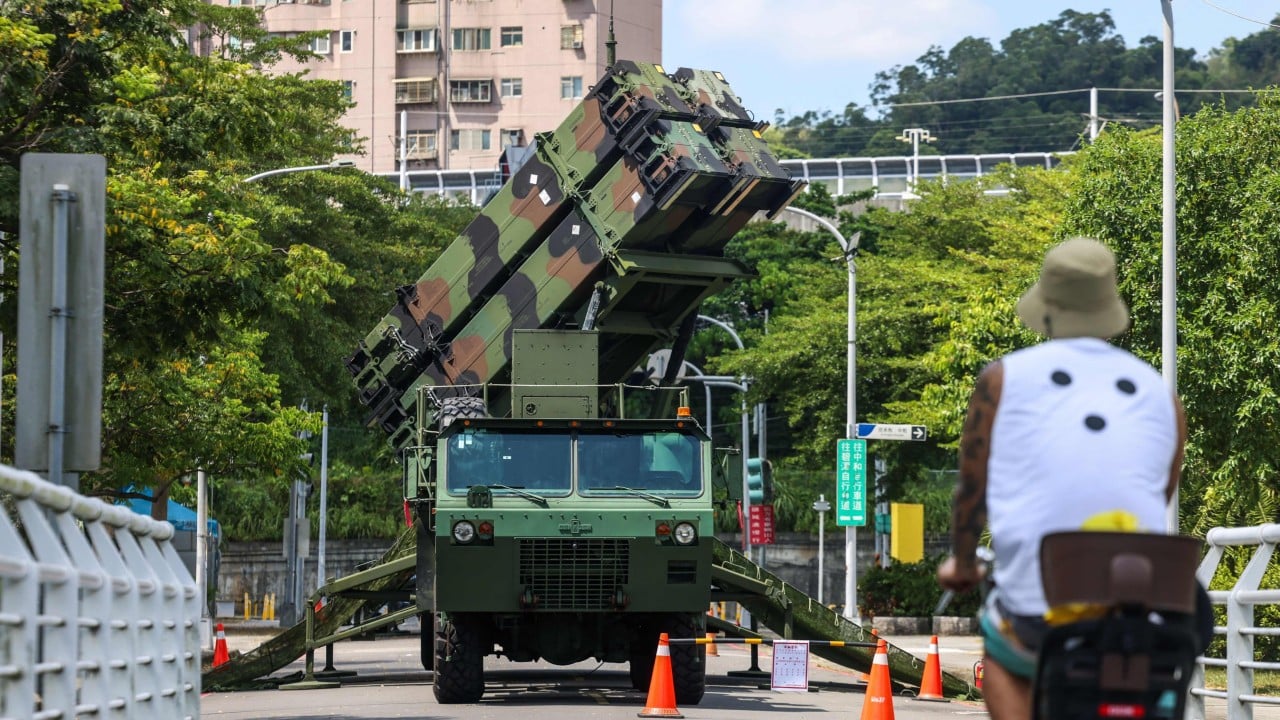
Washington has a funny way of uniting bitter political enemies the second Taipei enters the conversation. If you think a Democratic-led Congress is going to roll over or stay quiet while Donald Trump handles cross-strait relations his way, you haven't been paying attention to Capitol Hill. Right now, Democratic lawmakers are gearing up to lock down US Taiwan policy and force the White House's hand on Taiwan arms sales, creating a high-stakes tug-of-war over deterrence in the Indo-Pacific.
Here's the blunt reality. For decades, American support for Taiwan ran on bipartisan autopilot. That era is dead, or at least on life support. Trump's transactional view of alliances—frequently suggesting Taipei should pay more for its own protection and questioning the value of traditional security guarantees—has rattled nerves in both Washington and Taipei. A Democratic Congress sees an urgent opening and an obligation to act as a constitutional guardrail. They aren't just offering polite policy suggestions. They're preparing to use legislative muscle, defense budget riders, and oversight hearings to make sure arms keep flowing across the Pacific regardless of what happens in the Oval Office.
The Real Friction Behind Trump and Taiwan Policy
To understand why congressional Democrats are mobilizing so aggressively, you have to look at the clash of philosophies. Traditional US policy relies on strategic ambiguity, a deliberately vague stance rooted in the 1979 Taiwan Relations Act. Under this framework, the United States maintains unofficial relations with Taipei, recognizes Beijing as the sole legal government of China, and commits to providing Taiwan with the defensive weapons it needs to resist coercion—without explicitly promising to send American troops if a war breaks out.
Trump doesn't like traditional playbooks. He views international security through a ledger sheet. During his campaigns and time in office, he repeatedly argued that Taiwan took America's chip business and needs to pay rent for US military protection. To foreign policy veterans in Congress, that kind of rhetoric is terrifying. It signals to Beijing that Washington's commitment might be up for negotiation if the price is right.
Democrats on the House Foreign Affairs Committee and the Senate Armed Services Committee know that deterrence relies on predictability. If Beijing believes the White House is hesitant or distracted, the risk of miscalculation skyrockets. So, lawmakers are stepping into the breach. By anchoring US Taiwan policy in binding legislation rather than executive discretion, Congress aims to strip away the uncertainty that transactional diplomacy creates.
How Congress Actually Controls Taiwan Arms Sales
A lot of people assume the president has total control over foreign weapons deals. Not true. Not even close.
While the executive branch negotiates packages and notifies lawmakers under the Arms Export Control Act, Congress holds the purse strings and the statutory authority to mandate deliveries. Over the past several years, lawmakers from both sides of the aisle have quietly built new mechanisms to bypass bureaucratic logjams. Look at the Taiwan Enhanced Resilience Act, passed as part of the National Defense Authorization Act (NDAA). It authorized billions in direct grant assistance—known as Foreign Military Financing—and created Presidential Drawdown Authority (PDA) specifically for Taiwan.
Think about what PDA means in practice. Instead of waiting five or six years for defense contractors to build brand-new F-16 fighter jets or Abrams tanks from scratch, the Pentagon can pull existing weapons straight from US military stockpiles and ship them immediately.
When a Democratic Congress pushes the White House on Taiwan arms sales, they have three massive levers to pull:
- Mandatory reporting and timelines: Lawmakers can require the State Department and Pentagon to explain, under oath and on strict deadlines, why approved weapons packages are sitting in warehouses instead of arriving in Kaohsiung or Keelung.
- Targeted NDAA appropriations: Congress can fence off funding for other executive branch priorities until specific munitions—like Harpoon anti-ship missiles, Stinger air-defense systems, and sea mines—are officially notified and cleared for transfer.
- Direct oversight hearings: Publicly hauling administration officials before cameras to defend delays creates immense political pressure. Nobody in the Pentagon wants to be the person explaining on C-SPAN why Taiwan's asymmetric defenses are stalled.
The Asymmetric Warfare Debate Nobody Explains Properly
If you really want to sound like you know what's happening in Indo-Pacific defense circles, stop focusing solely on big-ticket hardware like fighter jets and destroyers. That's old-school thinking.
The real battle inside Washington right now is over asymmetric defense—often called the "porcupine strategy." The concept is simple. Taiwan can never match the People's Liberation Army (PLA) ship-for-ship or plane-for-plane. Trying to do so is a waste of money and leaves expensive assets vulnerable to a massive opening salvo of Chinese ballistic missiles. Instead, Taiwan needs thousands of small, mobile, lethal, and hard-to-destroy weapons that make an amphibious invasion impossibly costly.
We're talking about mobile coastal defense cruise missiles, shoulder-fired anti-aircraft launchers, loitering munitions, naval mines, and resilient communications networks that survive when undersea cables get cut.
Honestly, both Taipei and past US administrations have struggled to fully commit to this shift. Taiwan's military establishment historically loved prestigious, high-visibility platforms because they reassure the public and project traditional strength. Meanwhile, US defense contractors make way higher profit margins selling multi-billion-dollar fighter programs than cheap drones or artillery shells.
A Democratic Congress with strong national security hawks is uniquely positioned to force discipline here. By tying congressional funding directly to asymmetric capabilities—and scrutinizing any Trump administration attempt to push massive, expensive legacy arms deals simply to pad trade deficit numbers—lawmakers can ensure Taiwan gets what it actually needs to survive a blockade or invasion, rather than what looks good on a press release.
Why Supply Chain Backlogs Are the Silent Threat
You can pass all the legislation you want in Washington, and it still won't magically put missiles on a cargo ship tomorrow. That's the frustrating reality anyone who tracks defense procurement has to confront.
Right now, the backlog of approved but undelivered Taiwan arms sales sits at roughly $20 billion. Let that number sink in. Twenty billion dollars worth of gear that Taipei has already agreed to buy, and Congress has already cleared, is stuck in a massive global traffic jam.
Why is it taking so long? Three reasons collide at once:
- Competing global wars: Supporting Ukraine against Russia and replenishing allies in the Middle East drained US industrial capacity for artillery shells, air-defense interceptors, and Javelin anti-tank missiles.
- Atrophied defense manufacturing: After the Cold War, the US defense industrial base consolidated drastically. We don't have dozens of competing factories ready to surge production overnight. Specialized components like solid rocket motors and microelectronics face severe bottlenecks.
- Bureaucratic red tape: Foreign Military Sales (FMS) require layers of security reviews, export control clearances, and contract negotiations that move at a glacial pace compared to modern geopolitical timelines.
This is where congressional pressure becomes indispensable. A Democratic majority can use its investigative committees to audit defense contractors, demand multi-year procurement contracts that give factories the financial certainty to expand assembly lines, and push for co-production agreements. Letting Taiwan manufacture certain components or munitions domestically—under strict US licensing—would take massive pressure off American factories while hardening Taiwan's self-reliance.
Semiconductors and the Economic Reality Check
You can't separate military hardware from microchips. Anyone trying to analyze US Taiwan policy without mentioning the Taiwan Semiconductor Manufacturing Company (TSMC) is missing half the chessboard.
Taiwan produces roughly 90 percent of the world's most advanced logic chips. Those tiny pieces of silicon power everything from your smartphone and AI data centers to the guidance systems inside American F-35s. If a conflict in the Taiwan Strait halts semiconductor exports, the global economy doesn't just catch a cold—it goes into cardiac arrest. Economists at Bloomberg Economics have estimated that a full-blown war over Taiwan would wipe out roughly $10 trillion in global GDP, dwarfing the impact of the 2008 financial crisis and the COVID-19 pandemic combined.
Trump's frequent criticism of Taiwan's chip dominance—and his threats to slap tariffs on Taiwanese semiconductors to force manufacturing back to Arizona—creates a dangerous blind spot. Yes, building fabs in the United States is smart industrial policy, which is why Democrats passed the CHIPS and Science Act in the first place. Look, diversifying supply chains makes sense.
What doesn't make sense is treating Taiwan like an economic rival rather than a vital security partner. If Washington signals that Taiwan becomes expendable once a few factories open in Phoenix, deterrence collapses. Democratic lawmakers understand that the CHIPS Act was meant to complement the defense of Taiwan, not replace it. Expect them to pair any arms sales push with diplomatic and trade initiatives—like finalizing double-taxation relief agreements—that bind the US and Taiwanese economies closer together rather than driving a wedge between them.
What Beijing Watches When Washington Fights
Make no mistake: Zhongnanhai is watching every single committee hearing and floor vote in Washington.
Chinese President Xi Jinping has instructed the PLA to have the capability to take Taiwan by force by 2027, though US intelligence officials consistently point out that capability doesn't automatically mean a decision to invade has been made. Beijing prefers to win without fighting—using gray-zone tactics, daily air and naval incursions around Taiwan's median line, cyberattacks, and disinformation campaigns to convince the Taiwanese public that resistance is futile and America will abandon them.
When Trump casts doubt on US commitments, Beijing's propaganda machine amplifies those quotes across Taiwanese social media within minutes. The message to voters in Taipei is clear: Look, Washington only cares about your money, and they won't show up when things get ugly.
When a Democratic Congress steps up to fiercely guard US Taiwan policy, it disrupts that narrative completely. It shows Beijing—and reassures Taipei, Tokyo, and Manila—that American support isn't dependent on one person's mood. In fact, having an assertive Congress push back against a skeptical White House actually strengthens deterrence. It proves that institutional support for a free and democratic Taiwan is deeply embedded in the American system of government.
The Bipartisan Tightrope Ahead
Don't assume this will just be Democrats yelling at Republicans. That's too simplistic.
Inside the GOP, there's a fierce civil war brewing between traditional Reaganite national security hawks—who view defending Taiwan as essential to stopping Chinese hegemony—and the "America First" isolationist wing that wants Washington to pull back from overseas commitments. Many Republican lawmakers on the House Select Committee on the Chinese Communist Party quietly welcome Democratic pressure on Taiwan arms sales because it gives them political cover to push back against Trump without breaking ranks publicly.
At the same time, Democrats have to manage their own internal dynamics. Progressive members of the caucus often worry about runaway Pentagon budgets or unnecessary escalation with a nuclear-armed superpower. Leadership will have to thread the needle carefully—framing support for Taiwan not as warmongering, but as responsible conflict prevention. Keeping the peace in the Taiwan Strait is infinitely cheaper, in both blood and treasure, than fighting a war after deterrence fails.
How to Track What Actually Matters Next
If you want to cut through the cable news noise and see whether Congress is actually succeeding in locking down US Taiwan policy, skip the press releases and watch three concrete indicators over the coming months:
- The annual NDAA markup: Look specifically at the Taiwan security cooperation provisions in both the House and Senate versions of the defense bill. Are lawmakers expanding Presidential Drawdown Authority funding and mandating regular Pentagon briefings on delivery timelines? If those provisions survive conference committee intact, Congress is winning.
- Congressional delegations to Taipei: High-profile visits by senior Democratic committee chairs—especially from Foreign Affairs, Armed Services, and Intelligence—send an unmistakable signal of solidarity that no White House statement can easily undo.
- Notification velocity: Track how frequently the Defense Security Cooperation Agency (DSCA) publishes formal notices of new Taiwan arms sales. A steady drumbeat of smaller, frequent notifications for munitions, spare parts, and training packages means congressional pressure is successfully forcing the bureaucracy to move.
Washington's foreign policy machinery rarely moves smoothly, and friction between Congress and the presidency is baked into the Constitution by design. When it comes to Taiwan, that friction isn't a bug—it's the exact mechanism keeping decades of steady deterrence intact when the White House threatens to veer off course.