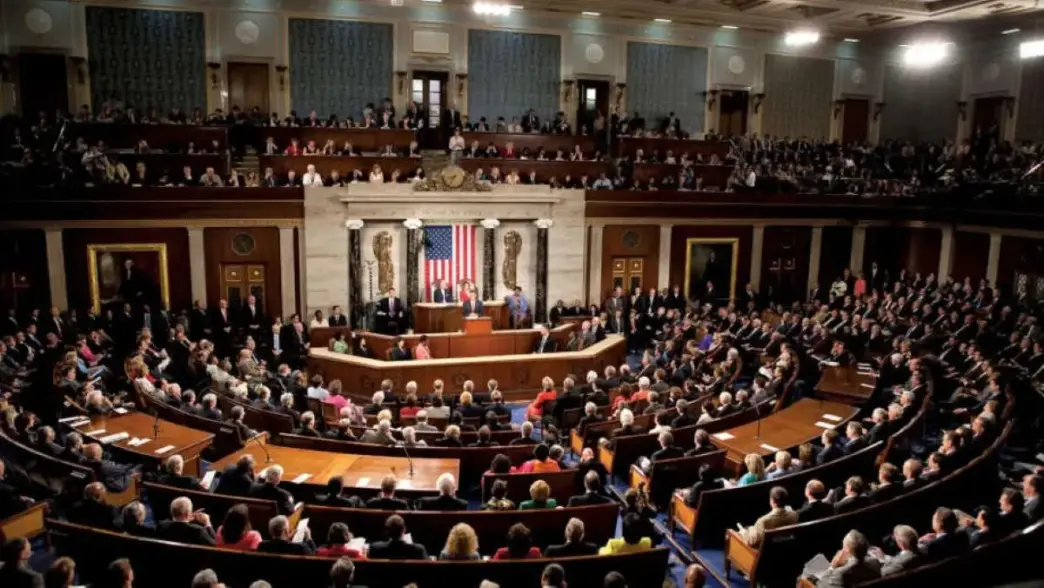
Gavel power changes everything on Capitol Hill. If you've ever watched a congressional hearing up close, you know the real action doesn't happen during the televised speeches—it happens months earlier in the document requests sent out by committee chairs. Whenever Democrats plan to investigate after an election victory, the playbook shifts from defensive posturing to aggressive subpoena enforcement, focusing heavily on executive branch ethics, corporate price gouging, federal agency rollbacks, and campaign finance loopholes.
Most political pundits treat congressional oversight like a reality show. They focus on viral clips of lawmakers grilling CEOs or cabinet secretaries. Honestly, that's just theater. The actual teeth of a post-election investigative agenda lie in the mundane power of the House Committee on Oversight and Accountability, the House Judiciary Committee, and the Senate Permanent Subcommittee on Investigations. When Democrats take the reins of these panels, they don't just ask questions. They compel testimony, demand unredacted emails, and freeze administration initiatives through sheer bureaucratic friction.
I've spent years tracking how committee staffers build these cases, and the biggest misconception is that investigations start from scratch on swearing-in day. They don't. Minority staffers spend years compiling "shadow dockets"—massive binders of unanswered letters, whistleblower tips, and Freedom of Information Act denials—waiting for the exact moment they get the subpoena stamp.
The Subpoena Backlog That Waits for Swearing-In Day
You can tell what a new majority cares about by looking at the letters they sent when they had zero power. During periods in the minority, Democratic ranking members routinely fire off inquiry letters to federal agencies and private corporations, only to be ignored or handed heavily redacted PDFs.
The moment a gavel switches hands, those ignored letters turn into binding subpoenas.
Under House rules, committee chairs hold unilateral subpoena authority in several key panels, meaning they don't even need a full committee vote to demand documents. That changes the math overnight. Agencies that dragged their feet for two years suddenly have a 14-day deadline to hand over internal communications, calendar logs, and financial disclosures.
Here's what usually sits at the very top of that backlog:
- Unanswered Inspector General referrals where agency heads overruled internal watchdogs on ethics or procurement violations.
- Schedule C political appointee rosters, specifically looking at former lobbyists who received ethics waivers to regulate their old industries.
- Withheld communications between White House officials and outside corporate donors regarding regulatory rollbacks.
It isn't glamorous work. Staffers sit in windowless rooms in the Rayburn House Office Building reading thousands of pages of privilege logs. Yet this paper trail forms the backbone of every major legislative push that follows.
Executive Branch Ethics and Agency Capture
If you want to understand how Democrats plan to investigate after an election victory, look straight at the regulatory agencies. The Environmental Protection Agency, the Department of the Interior, the Department of Labor, and the Consumer Financial Protection Bureau are prime targets for oversight whenever there's a shift in congressional power.
The core allegation is almost always agency capture—the idea that industry insiders have taken over the very federal departments meant to police them.
Take rulemaking rollbacks. Under the Administrative Procedure Act, federal agencies can't just erase a rule because a new president wants them to. They have to show a reasoned basis, backed by scientific or economic data. When an agency weakens clean water standards, workplace safety rules, or financial consumer protections, Democratic investigators immediately demand the underlying administrative record. They want to see if career scientists were sidelined. They look for drafts edited by industry trade groups.
I remember reviewing a batch of oversight transcripts from a previous Congress where an agency official couldn't explain why an entire economic impact section had been deleted from a final rule. The paper trail eventually showed the deletion happened 48 hours after a private meeting with an industry association. That's the exact kind of smoking gun committee investigators hunt for.
Whistleblower Protection and Retaliation Probes
Career civil servants are the lifeblood of congressional oversight. Without them, lawmakers are flying blind.
When an administration aggressively reclassifies civil service roles or pushes out career analysts, Democratic committees immediately open retaliation probes. They rely heavily on the Whistleblower Protection Act and direct intake portals managed by committee counsel. Expect immediate hearings featuring former agency scientists, economists, and lawyers testifying about political interference. These hearings serve a dual purpose: they expose potential misconduct and signal to current federal employees that Capitol Hill has their back if they leak internal wrongdoing.
Corporate Pricing, Consolidation, and Consumer Costs
Voters care about their grocery bills and rent way more than they care about bureaucratic org charts. Smart committee chairs know this. That's why corporate oversight always takes center stage right alongside executive branch probes.
The focus here splits into two main tracks: antitrust enforcement and price gouging.
Over the last several years, Democratic lawmakers on both the House Judiciary Subcommittee on Antitrust and the Senate Banking Committee have zeroed in on market concentration. When four companies control the vast majority of meatpacking, or when a handful of private equity firms buy up thousands of single-family homes and nursing facilities, investigators have an easy villain and a clear narrative.
You'll see aggressive document requests aimed at:
- Retail and grocery chains regarding profit margins versus supply chain costs, testing whether inflation was used as cover to hike prices permanently.
- Pharmacy Benefit Managers (PBMs) and major health insurers over prescription drug rebates and claim denial algorithms.
- Private equity roll-ups in healthcare and housing, examining whether debt-loaded buyouts degrade patient care and drive up tenant fees.
- Algorithmic pricing software used by corporate landlords to coordinate rent increases across major metro areas.
Companies hate these investigations even when no new laws pass. Why? Because congressional subpoenas force corporations to turn over internal pricing memos, board presentations, and executive emails—documents that plaintiffs' attorneys and state attorneys general later use in civil lawsuits. Once a document enters the Congressional Record, corporate secrecy is dead.
Voting Access, Election Administration, and Dark Money
Power in Washington flows from how elections are run and how they're funded. Anytime Democrats secure a congressional majority, the Committee on House Administration and the Senate Rules Committee pivot straight toward election integrity, ballot access, and campaign finance transparency.
There's a sharp divide in how the two parties define election oversight. While Republicans focus heavily on ballot security, voter roll maintenance, and non-citizen voting allegations, Democrats investigate voter suppression, polling place closures, and dark money influence.
Investigators typically pull data from state and local jurisdictions to track wait times in minority precincts, changes to mail-in ballot drop-box availability, and aggressive voter purge programs. They pair this with probes into 501(c)(4) nonprofit organizations—groups that spend hundreds of millions of dollars on issue ads without disclosing their donors.
The Supreme Court's Citizens United decision made it tough to restrict political spending directly, so Democratic investigators use oversight to expose the plumbing behind it. They subpoena bank records, consultant contracts, and tax filings to map out how anonymous money moves from billionaire donors through shell nonprofits and into targeted congressional districts. Even if they can't ban the spending without a constitutional amendment or a new Supreme Court majority, naming and shaming the donors is a potent political weapon.
Judicial Ethics and Supreme Court Oversight
For decades, Congress largely left the federal judiciary alone when it came to ethics rules. That truce is completely over.
Following high-profile reporting by outlets like ProPublica regarding undisclosed luxury travel, real estate deals, and private jet flights accepted by Supreme Court justices, judicial ethics became a permanent fixture of the Democratic investigative playbook. The Senate Judiciary Committee, which holds jurisdiction over federal judicial nominations and court administration, has already demonstrated a willingness to issue subpoenas to billionaires and political operatives connected to the justices.
With renewed investigative authority, expect that scrutiny to expand beyond the Supreme Court to the federal appellate and district courts. Investigators look at:
- Financial disclosure gaps where judges failed to report gifts, speaking fees, or travel reimbursements.
- Recusal failures, specifically cases where judges ruled on matters involving companies in which they or their spouses held individual stock.
- Amicus brief funding, tracing whether the same dark money groups funding judicial confirmation battles are simultaneously underwriting legal briefs before those exact judges.
Can Congress force the Supreme Court to adopt a binding ethics code? Legal scholars argue fiercely over where the separation of powers draws the line. Regardless of how that constitutional fight plays out, Congress undeniably holds the power of the purse over the federal judiciary's budget—and the power to drag wealthy benefactors in front of television cameras to explain why they bought a judge a vacation.
National Security, Foreign Influence, and Tech Platforms
Oversight isn't strictly domestic. The House Foreign Affairs Committee, the House Intelligence Committee, and the Senate Foreign Relations Committee routinely use their investigative powers to examine foreign lobbying and national security vulnerabilities.
One major focus is the Foreign Agents Registration Act (FARA). For years, enforcement of FARA was lax, allowing former U.S. officials and prominent Washington consultants to quietly lobby on behalf of foreign governments without proper disclosure. Democratic investigators have pushed to close loopholes that let foreign entities launder their influence through think tanks, universities, and public relations firms.
At the same time, Big Tech remains square in the crosshairs. While both parties love attacking tech executives, their angles differ drastically. Republicans tend to investigate alleged conservative censorship and content moderation policies. Democrats focus on algorithmic amplification of hate speech, child safety failures, data privacy brokers, and artificial intelligence guardrails.
Expect subpoenas targeting internal company research—similar to the Facebook Files disclosures—showing that platforms knew their algorithms harmed teen mental health or spread election disinformation while publicly claiming otherwise.
Why Most Congressional Investigations Fail to Deliver
Here's the reality check that rarely makes the cable news chyron: most congressional investigations produce a thick report, a few viral tweets, and zero criminal charges.
Congress is a legislative body, not a prosecutor's office. Committees cannot indict anyone. If they uncover clear evidence of perjury, obstruction, or bribery, the best they can do is send a criminal referral to the Department of Justice. The DOJ is under zero legal obligation to act on it.
Even enforcing a subpoena is painfully slow. If a witness refuses to show up or a company refuses to hand over documents, the committee can hold them in contempt of Congress. From there, the matter goes to the DOJ for criminal prosecution, or the committee files a civil lawsuit in federal court to enforce the subpoena. A sharp defense attorney can easily drag a civil subpoena fight through district court, the court of appeals, and up to the Supreme Court for two full years—effectively running out the clock until the next congressional election wipes the slate clean.
I've watched brilliant oversight lawyers build airtight cases only to see them vanish into thin air because a two-year congressional term simply wasn't long enough to beat a stalling tactic in federal court.
How to Track These Investigations Yourself
You don't need a press pass or a K Street lobbying budget to see where the next wave of oversight is headed. If you want to follow what Democrats plan to investigate after an election victory in real time, skip the cable commentary and go straight to the primary sources:
- Read the minority staff reports published right before the election on the House Oversight and Senate Judiciary websites; they serve as the literal blueprint for the next session's subpoenas.
- Monitor committee hearing notices on Congress.gov, paying close attention to subcommittee hearings, which is where the granular, non-televised document battles actually happen.
- Check Inspector General semi-annual reports across major agencies like HHS, DOD, and EPA, as committee chairs routinely lift their investigation topics straight from IG audit recommendations.
- Follow court dockets in the D.C. Circuit, where almost every major congressional subpoena enforcement battle gets litigated first.
Watch the paper trail, not the press conferences, and you'll know exactly where the real leverage lies long before the first gavel drops.