In a small house on the outskirts of Albuquerque, a mother named Elena watches the blue light of a smartphone reflect in her teenager’s eyes. She worries about the shadows that lurk in the corners of the internet—the predators, the scammers, the algorithms that seem to know her son’s insecurities better than she does. She wants the law to step in. She wants a digital wall high enough to keep the wolves out. But she never expected that the wall might be built by simply turning off the lights and locking the door from the outside.
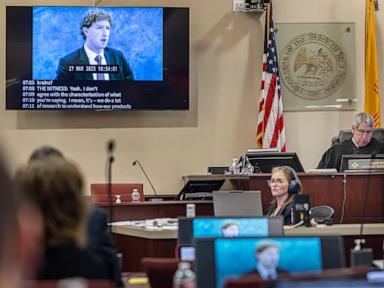
New Mexico is currently the staging ground for a high-stakes standoff that feels more like a corporate thriller than a legal proceeding. The state’s Attorney General, Raúl Torrez, launched a massive lawsuit against Meta, the parent company of Facebook and Instagram. The allegation is heavy: that the platforms are essentially hunting grounds for predators and that the company has failed, or perhaps even refused, to implement the safeguards necessary to protect the most vulnerable users.
Meta’s response was not a humble promise to do better. Instead, they reached for the nuclear option.
In legal filings that sent a chill through the local tech sector, the company suggested that if the state’s demands are too onerous, it might simply be easier to pull the plug. Meta hinted at the possibility of withdrawing its services from New Mexico entirely. This isn't just about losing the ability to post vacation photos or check on a neighbor's birthday. It is about the fundamental infrastructure of modern communication being used as a bargaining chip in a game of legal chicken.
The Invisible Infrastructure
We often treat social media like a luxury or a hobby, but for a state like New Mexico, the stakes are structural. Consider the local artisan in Santa Fe who generates ninety percent of her sales through Instagram. Think about the rural community organizers who use Facebook Groups to coordinate water deliveries during a drought. Modern life has been built upon these platforms. They are the town squares, the marketplaces, and the emergency broadcast systems of the twenty-first century.
When a corporation hints at withdrawing these services, they are describing a digital blackout.
The legal friction stems from a specific demand by the New Mexico Attorney General. He wants Meta to change how its algorithms function, specifically targeting the features that suggest "friends" or content to minors, which the state claims are the very mechanisms predators use to find victims. Meta argues that the state is overreaching, trying to dictate the core engineering of a global product through a local court. They claim the New Mexico law is unconstitutional, a violation of the First Amendment, and a logistical nightmare that would make it impossible to operate.
But behind the talk of "logistical nightmares" lies a much simpler reality: power.
Meta is testing a theory. They want to know if a single state has the stomach to stay the course when the consequence is becoming a digital pariah. If they can force New Mexico to blink, they send a message to every other state house in the country. The message is clear: our platforms are too big to regulate and too essential to lose.
The Ghost in the Algorithm
To understand why the Attorney General is so fired up, you have to look past the UI and into the code. The lawsuit paints a picture of a system that isn't just passive, but actively dangerous. It describes "predatory grooming" facilitated by the platform’s own recommendation engines.
Imagine a library where, the moment a child picks up a book, a stranger is tapped on the shoulder and told exactly where that child is sitting and what they are interested in. That is the core of the state's argument. They aren't asking for the library to be closed; they are asking for the librarian to stop introducing children to people who mean them harm.
Meta, however, points to its existing safety tools. They speak of AI-driven moderation and thousands of employees dedicated to safety. They argue that they have spent billions of dollars on these problems. To them, New Mexico’s lawsuit is a misguided attempt to blame the tool for the actions of the person holding it.
Yet, there is a disconnect. The "billions of dollars" haven't stopped the headlines. They haven't stopped the stories of teenagers being extorted by overseas "sextortion" rings that found them through Instagram’s "suggested for you" feature. When the safety of a child is weighed against the efficiency of an algorithm designed to maximize engagement, the algorithm usually wins because the algorithm is what makes the money.
The Threat of the Void
The possibility of Meta leaving New Mexico creates a strange, quiet panic. It raises a question we aren't prepared to answer: what happens when a private company becomes so integral to public life that it can threaten to disappear as a defense mechanism?
If Meta leaves, the "Digital Desert" becomes a reality.
Small businesses would lose their primary advertising channels overnight. Non-profits would lose their donor bases. Families separated by the vast stretches of the High Plains would lose their primary bridge to one another. Meta knows this. The threat isn't just a legal maneuver; it’s a demonstration of a new kind of sovereignty.
We are witnessing the birth of "Platform Diplomacy." Usually, when a company doesn't like a law, they lobby. They might move their headquarters. But threatening to stop serving a population entirely is a tactic usually reserved for nations at war, not tech companies in a dispute over safety settings. It suggests that the digital borders are becoming more real, and more easily closed, than the physical ones.
A Question of Value
This isn't just about New Mexico. It’s about the value we place on the human beings behind the screens.
If New Mexico stands its ground, it may become a hero in the fight for child safety, forcing a trillion-dollar company to finally prioritize people over pixels. If it fails, or if Meta actually follows through on its threat, it becomes a cautionary tale. Other states will watch. They will see the cost of challenging the giants and they may decide that the "shadows in the corners" are a price they are willing to let their citizens pay in exchange for staying connected.
The legal battle will drag on for months, perhaps years. Lawyers will argue over Section 230 and the nuances of the First Amendment. They will file motions and counter-motions, building a mountain of paper that obscures the actual children at the heart of the case.
But for Elena, back in her house in Albuquerque, the math is much simpler. She looks at her son and wonders if the "connection" offered by the world is worth the risk it brings into her living room. She wonders if a world without Facebook is scarier than a world where Facebook knows her son’s weaknesses and shows them to the highest, or darkest, bidder.
The standoff continues. The specter of the blackout remains. We are left to wonder if we are the customers of these platforms, or if we are merely the hostages of our own need to stay connected.
The lights in New Mexico are still on, but the hand is on the switch.