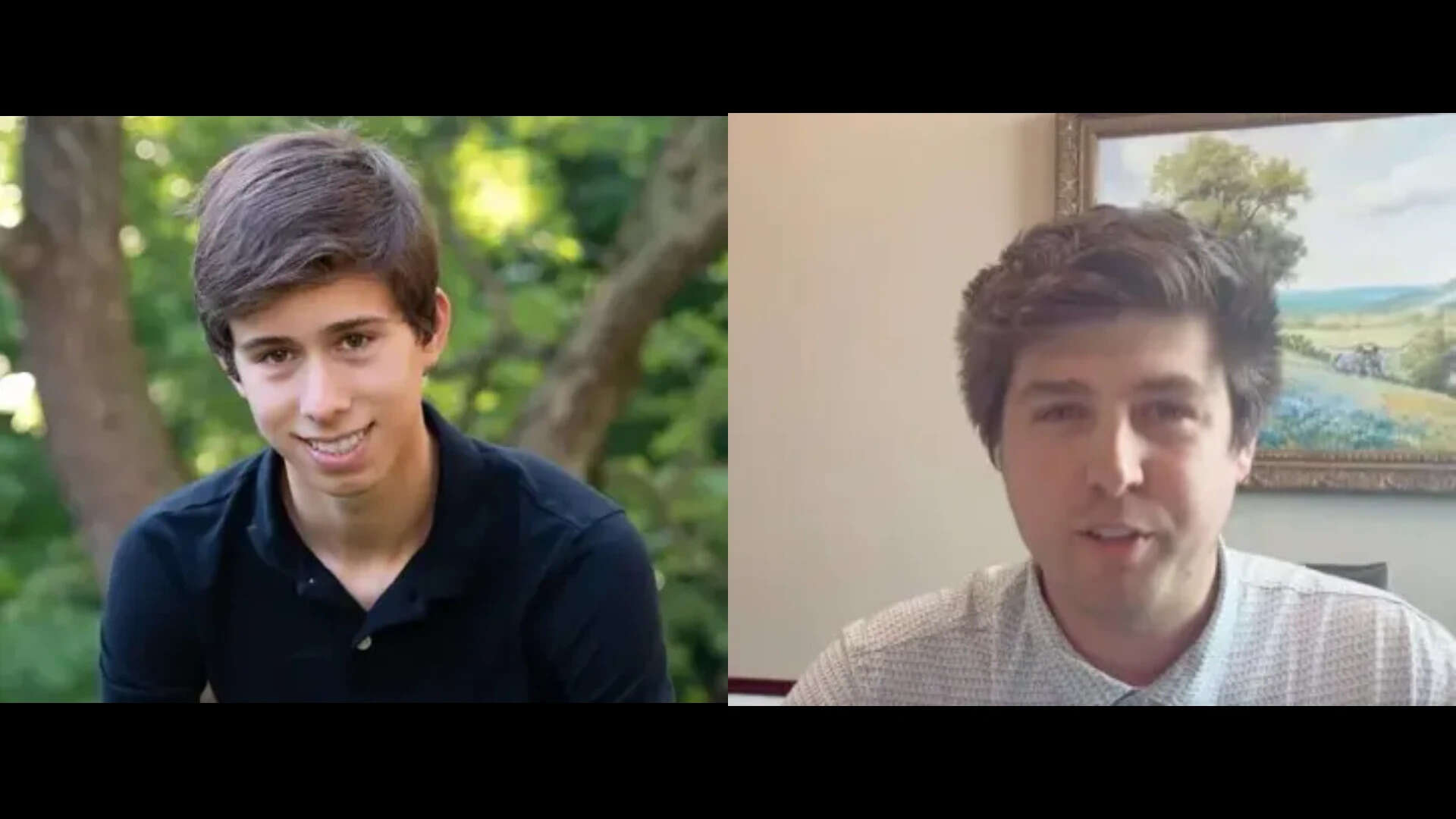
The modern public relations playbook is entirely broken, and a recent, highly publicized crisis involving a Dallas attorney named Austin Franco proves it.
When a different man sharing his exact name became the target of intense public outrage over a racist video, the local attorney found himself inundated with threats, misdirected vitriol, and a collapsing digital reputation. The media immediately rallied around the "unfortunate coincidence." The attorney issued a series of frantic clarifications, emphasizing that he was "not the racist one" and even pointing out that the culprit "looks like me."
Mainstream crisis management professionals looked at this situation and offered the same lazy consensus they always do: issue a swift public statement, update your social media bios to distinguish yourself, search-engine-optimize your "good" name, and wait for the storm to pass.
That advice is not just outdated. It is dangerously naive.
In a hyper-connected society governed by automated scraping, emotional aggregation, and crowdsourced vigilante justice, traditional identity preservation is a myth. The standard response treats digital mistaken identity as a temporary PR glitch. In reality, it is a structural vulnerability built directly into the architecture of the modern internet.
If you share a name with a villain, the internet does not care about your facts. It cares about your data points. To survive a digital doppelgänger crisis, you have to stop playing defense with standard corporate communications and start understanding the brutal mechanics of algorithmic guilt by association.
The Lazy Consensus of "Setting the Record Straight"
Traditional crisis managers suffer from a cognitive bias known as the rational actor assumption. They genuinely believe that if you present a mob with clear, logical evidence—such as "Look at this driver's license, I am a different person"—the mob will disperse, apologize, and redirect their energy.
This ignores how online outrage actually functions.
When a viral event occurs, digital mobs operate on velocity, not veracity. They are looking for a target to anchor their moral outrage. Once a name matches, the primitive search algorithms used by amateur internet sleuths lock onto the closest, most visible target. If you are a prominent professional with a robust LinkedIn profile, a corporate website, and public contact information, you are the easiest target to hit.
The competitor's coverage of the Franco situation frames him as a passive victim of a freak accident. But from a structural perspective, his high digital visibility made him a lightning rod. The mob did not care to verify his identity because verification slows down the dopamine hit of delivering digital justice.
Issuing a statement that says "I am not that guy" actually feeds the beast. Every time you publish content containing your name and the context of the controversy, you are feeding the search engine optimization loops. You are linking your digital footprint to the toxic keywords of the scandal. By trying to distance himself publicly, a victim frequently anchors themselves even deeper to the digital debris of their doppelgänger.
The Mechanics of Algorithmic Contagion
To understand why traditional PR fails, you have to understand how search platforms and social graphs map relationships. This is not about human beings making a mistake; it is about machines doing exactly what they were programmed to do.
Imagine a scenario where an algorithm processes thousands of mentions of a specific name alongside highly negative keywords. The search engine's semantic web begins to cluster those terms together.
- Keyword Co-occurrence: If thousands of people search for "[Name] racist video" and your corporate profile pops up because you just issued a press release denying the connection, the algorithm registers a high-relevance link between your profile and those search terms.
- Entity Resolution Failures: Systems try to distinguish between two people with the same name by analyzing location, occupation, and social circles. However, during a high-velocity viral event, the sheer volume of chaotic, incoming data overrides these subtle distinctions.
- The Lookalike Penalty: When a victim states, "He even looks like me," they are inadvertently highlighting the exact feature that defeats automated facial recognition and human memory alike. Visual crowdsourcing relies on low-resolution matching. If the visual and textual data points lean toward a match, the platform treats you as the same entity.
I have seen corporate executives spend hundreds of thousands of dollars on high-end reputation management firms to "push down" bad search results using generic blog posts and fake press releases. It fails every single time. You cannot fight a high-velocity algorithmic trend with low-velocity content generation.
The Downside of True De-escalation
If the standard advice is useless, what is the alternative? The contrarian approach requires a complete reversal of standard public relations principles. Instead of standing up to project your voice louder, you must completely erase your digital footprint until the storm passes.
This strategy comes with severe, painful downsides.
To execute a true digital quarantine, you must immediately deactivate every personal and professional social media account. You must pull down your corporate bio, unpublish your website, change your office phone numbers, and set up automated filters to drop any email containing the triggered keywords.
For a practicing attorney or a business owner, this looks like suicide. It halts lead generation, disrupts current client communications, and signals a temporary retreat from the marketplace. It requires accepting short-term financial damage to prevent long-term reputational annihilation.
Most people lack the stomach for this. They choose the half-measure: keeping their profiles open but pinning a clarification post to the top of their page. This is an invitation for continued harassment. A pinned denial is simply a fresh comment section for the mob to exploit.
Dismantling the Premise of Digital Permanence
The most common question people ask during an identity crisis is, "How do I clear my name permanently?"
The premise of the question is flawed. You do not clear your name in 2026. The internet does not have an eraser; it only has an archive.
When the news media covers your case of mistaken identity, they frame it as a human-interest story with a neat resolution. "Look at this crazy thing that happened to this local lawyer, but thankfully, everyone knows the truth now."
But three years from now, a human resources manager or a high-value corporate client will run a background search on your name. They will not read the full narrative of the old articles. They will see a fractured snippet of a headline linking your name, a threat, and a racial slur. Because human beings are inherently risk-averse, that prospect will simply move on to the next candidate rather than taking the time to untangle your historical digital drama.
The media coverage itself becomes a secondary crisis. By turning your mistaken identity into a viral news story, you ensure that the association between your name and the scandal is permanently indexed by major media domains with massive search authority. The "cure" of media vindication often inflicts a deeper, more permanent scar than the original algorithmic mix-up.
The Operational Playbook for Digital Doppelgänger Attacks
Stop treating your name as an untouchable piece of personal property. In the digital economy, your name is merely a string of text competing for real estate in an index. If that string becomes toxic, you must treat it like a compromised network security key.
If you find yourself targeted due to an identical name, throw out the corporate PR handbook and execute these immediate operational adjustments:
- Enact Immediate Asymmetric Obscurity: Do not post a manifesto explaining the situation. Go dark within sixty seconds of the first threat. Delete the vectors of attack before the mob coordinates its efforts. If they cannot find a profile to tag or a comment section to bombard, their attention span will exhaust itself within forty-eight hours.
- Reposition Personal Identifiers: If your business requires an active web presence, purge the specific string of text causing the issue. Shift your digital branding to include middle names, prefixes, or structural variations that separate your entity from the viral entity. If you are Austin Franco, you instantly become A. Robert Franco or Austin R. Franco across all corporate assets.
- Deploy Legal Retaliation Against Data Aggregators: The primary enemy is not the individual typing an angry tweet; it is the platform or directory that refuses to uncouple your personal data from the viral keywords. Direct your legal resources away from public statements and toward aggressive, formal demands for data de-indexing based on consumer protection and privacy statutes.
- Accept the Reality of Irreversible Damage: The most dangerous psychological trap is the desire for total vindication. Some platforms will never update their caches. Some individuals will always believe you were the culprit. Accepting that a percentage of your market value has been structurally compromised allows you to pivot and rebuild under a modified identity, rather than burning capital trying to fix an unfixable algorithm.
The consensus tells you to speak up, demand justice, and clarify your position to the world. But the consensus is built on an idealized version of the internet that died two decades ago. When the algorithm confuses you with a monster, your public voice is a liability, your explanations are fuel, and your demand for a logical resolution is a fantasy. Cut the feed, change the identifiers, and let the digital mob starve in the dark.