The modern battlefield does not just exist in the dirt of trenches or the smoking ruins of city blocks. It lives inside compressed video files, open-source intelligence platforms, and the endless scroll of social media feeds. When the Israel Defense Forces announce the targeted elimination of a militant identified from a widely shared October 7 attack video, it represents the culmination of a grim, meticulous digital manhunt. This is the reality of modern algorithmic warfare, where civilian-shot footage and facial recognition technology stretch accountability across years.
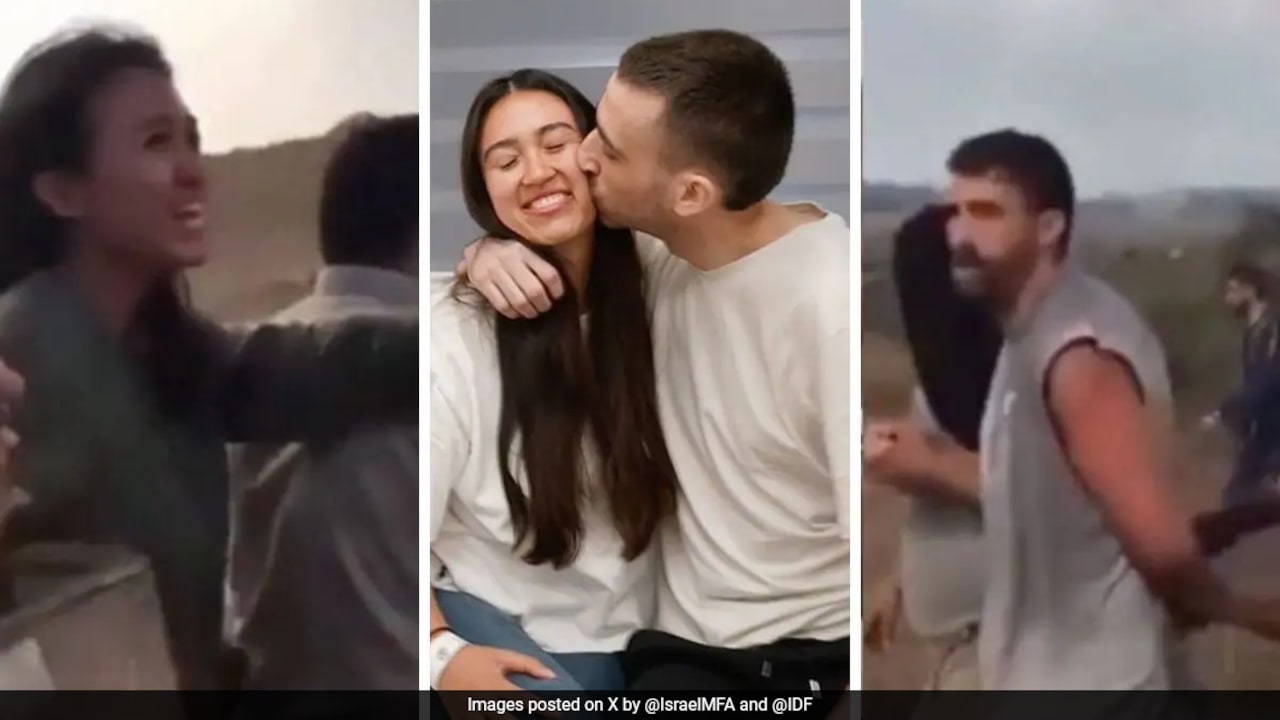
For years, the public record of the October 7, 2023, attacks relied heavily on the raw, terrifying archive generated by both the perpetrators and their victims. Go Pro cameras strapped to Hamas fighters, security feeds from breached kibbutz perimeters, and desperate smartphone recordings captured moments of extreme violence. Among those digital artifacts, certain visual frames became seared into global consciousness. Videos depicting the abduction of recognizable hostages at the Nova music festival or from border communities circulated globally, watched by millions, transforming human beings into symbols of an ongoing geopolitical trauma.
Yet, those same viral videos contained something else. They held high-resolution facial data of the men holding the weapons.
Military intelligence agencies and independent open-source investigators quickly realized that the digital footprint left by the attackers was permanent. While conventional espionage relies on human assets and intercepted communications, the 2023 conflict ushered in an era where crowdsourced digital forensics rivaled state intelligence capabilities. Investigators began running frames from kidnapping videos through facial recognition tools, cross-referencing public Facebook profiles, regional memorial pages, and local business registries.
The methodology is starkly clinical. A blurry profile from a Telegram channel or a news broadcast is isolated. Contrast is adjusted. Facial geometry points are mapped. Software tools query massive databases of indexed internet imagery, scanning for matches against wedding photos, local community gatherings, and social media check-ins posted months or years prior. When a match emerges, the investigative loop tightens. Analysts trace the digital breadcrumbs to establish real names, affiliations, and localized whereabouts.
This tracking mechanism transforms viral media. What begins as an instrument of psychological terror or documentation by the perpetrators is systematically inverted into a digital warrant. The camera that recorded an abduction becomes the primary piece of forensic evidence used to sign a death warrant months later.
When the IDF confirms that a specific individual featured in these foundational videos has been eliminated in a targeted strike, it closes a loop that began with a digital upload. It signals to those who participated in the attacks that the expiration date on anonymity is governed by algorithms rather than time. No matter how fragmented a video clip might be, the global architecture of digital identification ensures that a face captured on a border fence or inside a burning community remains searchable.
The psychological weight of this dynamic cannot be overstated. For the families of victims and hostages, the identification and subsequent targeting of these individuals offers a grim form of retroactive accountability. It demonstrates that the state apparatus is scouring the digital archive, matching faces to deeds with cold persistence. But it also underscores the haunting permanence of the footage itself. Every time an identification is announced, it drags the public back to the raw, unedited horror of those initial hours.
As the conflict stretches across years, the boundary between the physical war and its digital shadow continues to blur. Intelligence units no longer wait for informants on the ground to name a target. They watch the feeds, parse the pixels, and wait for the coordinates to align with a digital identity confirmed by a screen thousands of miles away. The video may end, but the chase written into its frames carries forward.