If you grew up in the English-speaking world, you’ve heard it. You might have even shouted it at a sibling during a particularly intense game of tag. But when you actually sit down and look at do you know the muffin man song lyrics, there is a strange, rhythmic simplicity that masks a whole lot of history. It’s a nursery rhyme that everyone knows by heart, yet almost nobody knows why we’re singing it in the first place.
Honestly, it’s just four lines. Or six, depending on how many times you want to repeat the refrain until the person next to you loses their mind.
The most common version we hear today goes something like this:
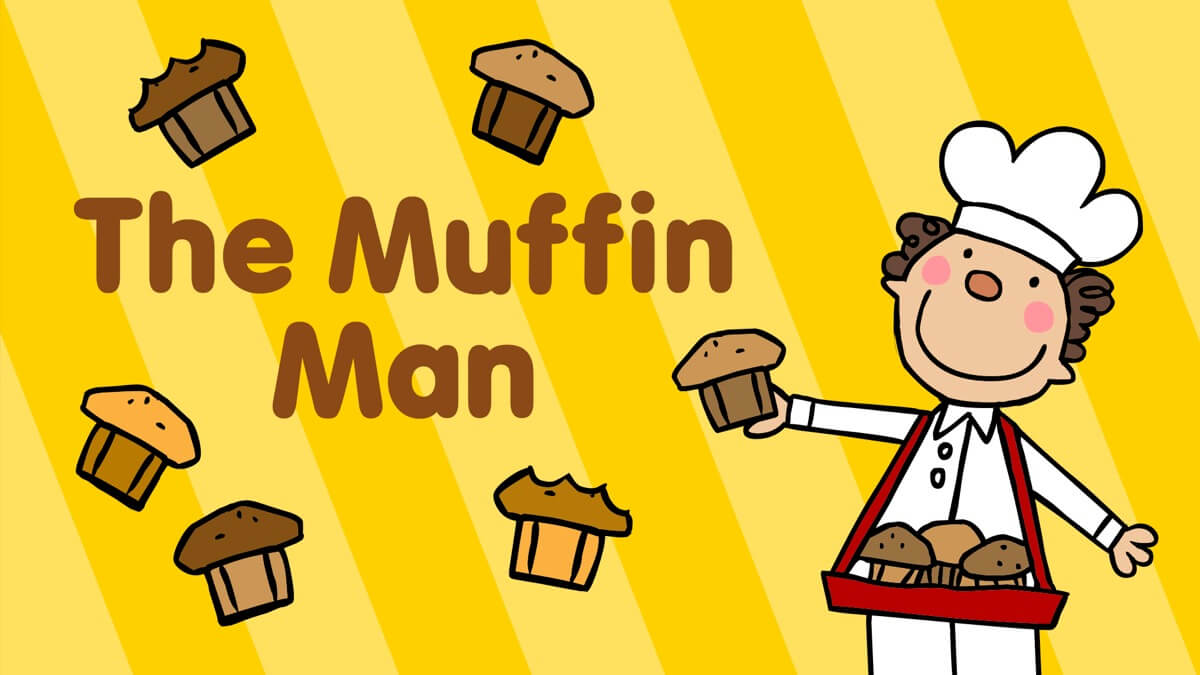
"Do you know the muffin man, The muffin man, the muffin man, Do you know the muffin man, Who lives on Drury Lane?"
Then, the response:
"Yes, I know the muffin man, The muffin man, the muffin man, Yes, I know the muffin man, Who lives on Drury Lane."
It sounds innocent. It sounds like a child’s song about a friendly baker. But if you look at the geography of Victorian London and the actual social conditions of the 19th century, the song takes on a much more practical—and slightly gritty—connotation.
The Victorian Reality of Drury Lane
Drury Lane isn't just a made-up place for a rhyme. It’s a real street in the West End of London. Today, it’s home to the Theatre Royal and high-end real estate, but back in the late 1700s and early 1800s, it was a very different scene. It was a hub of activity, sure, but it was also adjacent to some of the city's most notorious slums.
So, why a muffin man?
Back then, you didn't just hop in the car and drive to a supermarket for a pack of English muffins. Households relied on street vendors. The "muffin man" was a specific type of itinerant seller. They would walk through the streets, often at dawn or dusk, carrying a heavy tray of muffins and crumpets on their heads. To let people know they were coming, they rang a large handbell.
Imagine the noise. A hundred different vendors, all ringing bells, all shouting their wares.
The lyrics were basically a 19th-century "find my location" ping. Since most people lived in cramped quarters and didn't have their own ovens, the arrival of the muffin man was the highlight of the morning. The question "Do you know the muffin man?" wasn't an inquiry into his personal life; it was a way of asking if you knew the guy who provided the neighborhood's breakfast.
Debunking the Dark Urban Legend of James Holiver
If you’ve spent five minutes on the internet lately, you’ve probably seen the TikTok or Reddit theories claiming the song is about a serial killer. The legend goes that there was a man named James Holiver who lived on Drury Lane and used muffins to lure children into his "trap."
Let’s be clear: This is fake.
There is absolutely no historical record of a serial killer named James Holiver in Victorian London. No court documents, no police reports, no contemporary newspaper accounts from the Times. It's a classic example of modern internet folklore—taking something sweet and innocent and trying to find a "dark" origin story to make it go viral.
The real history is much more "business-casual." The song was first officially recorded in a manuscript around 1820, which is currently held in the Bodleian Library at Oxford University. The tone of the era's literature suggests the song was a simple game of "forfeits," where kids would ask each other questions in a circle. If you didn't know the answer or messed up the rhythm, you were "out."
Why the Song Stuck Around
It’s the meter. The trochaic rhythm. It’s catchy as hell.
The song survived because it’s a "call and response" format. This is one of the oldest forms of human communication. One person asks, another answers. It builds community. It teaches kids the structure of conversation.
We see this same pattern in other rhymes like "London Bridge is Falling Down" or "The Wheels on the Bus." But do you know the muffin man song lyrics have a specific repetitive quality that makes it easy for toddlers to memorize before they can even read.
Variations Through the Years
While Drury Lane is the "canonical" location, the song has mutated.
- The Dorset Version: Some early 20th-century recordings replace Drury Lane with local street names to make it more relevant to the kids singing it.
- The American Influence: In the U.S., the "muffin" in question shifted in the public imagination from the flat, yeast-leavened English muffin to the cake-like blueberry muffins we see in coffee shops today.
- Pop Culture: We can’t talk about this song without mentioning Shrek. The "Do you know the muffin man?" scene between Lord Farquaad and the Gingerbread Man turned a nearly forgotten nursery rhyme into a global meme. It shifted the song from "childhood education" to "ironic comedy."
The Economic Side of the Muffin Trade
Being a muffin man was actually a regulated profession. By the mid-1840s, there were approximately 3,000 muffin men in London. It was a tough gig. You had to buy your muffins from a wholesale baker early in the morning, then walk miles and miles in the London fog, hoping to sell your stock before it went cold.
The bell ringing actually became a legal issue. In 1840, the British Parliament passed the "Muffin Bell Act" because people were getting annoyed by the constant noise.
The police were given the power to fine vendors who rang bells. Did it stop them? Not really. The public loved their muffins too much, and the "muffin man" remained a staple of London life until the early 20th century when home grocery delivery and better kitchen tech made the street vendor obsolete.
How to Teach the Song Today
If you're using the lyrics to teach a child, you can actually add a bit of "history lite" to the experience.
Instead of just singing it, try the traditional game:
- The Circle: Have everyone sit in a ring.
- The Question: One person starts by singing the first verse to the person on their right.
- The Response: That person answers with the "Yes, I know" verse.
- The Shift: Both people then sing "Then two of us know the muffin man" together.
- The Expansion: The game continues until the entire circle is singing "All of us know the muffin man."
It teaches coordination. It teaches social cues. And frankly, it’s a great way to kill ten minutes when you're stuck in a waiting room.
Final Takeaway on the Muffin Man
The do you know the muffin man song lyrics aren't a secret code for a killer, and they aren't just nonsense words. They are a verbal photograph of a time when the "gig economy" happened on foot with a bell and a tray of bread. It’s a tiny piece of London history that survived through the sheer power of being catchy.
Next time you hear it, don't think of horror stories. Think of a cold, foggy morning on Drury Lane in 1820, where the sound of a bell meant breakfast was finally here.
What to do next
- Check the map: Look up Drury Lane on Google Maps. You'll see just how close it was to the heart of the old city.
- Listen to the rhythm: Try clapping to the beat. It’s a perfect 4/4 time signature, which is why it’s so easy to walk to.
- Avoid the myths: If someone tells you the James Holiver story, you now have the facts to politely tell them they've been spending too much time on the weird side of YouTube.