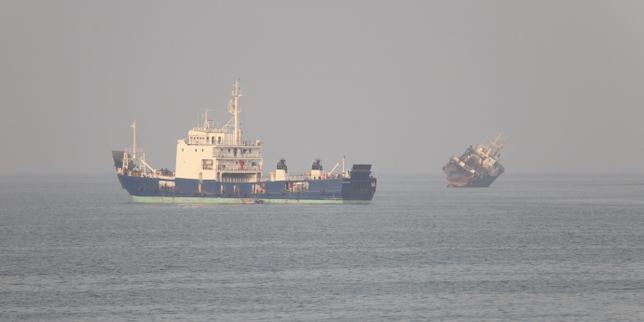
The fragile truce in the Middle East has completely shattered. Donald Trump is once again threatening to strike Iran very hard, signaling that Washington's patience with Tehran has run out. If you've been watching global oil markets or tracking regional security, you already know the stakes couldn't be higher.
Diplomacy hit a brick wall. Now, military escalation looks inevitable.
Why the June Truce Fell Apart So Fast
Let's be honest. The memorandum of understanding signed back in June was always built on shaky ground. Both sides interpreted the reopening of the Strait of Hormuz differently. Tehran wanted total control over shipping lanes and attempted to levy fees on passing commercial vessels. Washington viewed this as a direct violation of international maritime laws and an attempt to choke off vital energy transit.
Things escalated quickly from there.
- Iranian ballistic missiles targeted US bases in Jordan.
- Drones hit targets in Kuwait and commercial tankers near key ports.
- The US and Saudi Arabia launched joint retaliatory strikes against militant groups in Iraq.
Trump made his stance clear during a cabinet meeting at Camp David. He told reporters that the US wants to win decisively and hinted that upcoming operations could target core infrastructure. When leadership in Tehran realizes they can't absorb the punishment anymore, they'll be forced back to the negotiating table. Or so the White House calculates.
The Domestic and Global Fallout
You can't separate these military moves from their economic impact. International benchmark Brent crude spiked past $90 a barrel following the renewed threats and active skirmishes. Everyday consumers are feeling the pinch at the pump, which creates a massive political headache for the administration heading into upcoming midterms.
Congress is sharply divided, too. The US Senate recently rejected a war powers resolution in a tight 49-50 vote. Lawmakers opposing the conflict argue that prolonged military engagement strains federal budgets and risks entangling American troops in a wider regional quagmire. On the flip side, supporters argue that backing down now projects weakness and invites further aggression from proxy networks.
What Happens Next on the Ground
Intelligence reports point toward potential joint operations involving US and allied forces targeting energy refineries and power grids directly. Tehran's state media vows that resistance will persist, meaning neither side is backing down easily.
Keep a close eye on the Strait of Hormuz. That narrow stretch of water remains the ultimate choke point for the global economy. Until a verifiable enforcement mechanism takes shape, expect heightened volatility, scrambled shipping routes, and a continuous cycle of retaliation.
President Trump threatens Iran with a 'beating' as Saudi Arabia joins US strikes
This video provides an overview of the joint US-Saudi military responses and the geopolitical context behind Trump's recent warnings to Iran.
http://googleusercontent.com/youtube_content/1