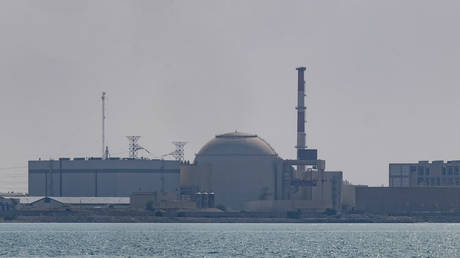
Donald Trump isn't buying the latest attempt to put Iran’s nuclear program on ice. The former president just threw a massive wrench into the diplomatic gears by trashing the idea of a twenty-year moratorium on uranium enrichment. He’s making it clear that a two-decade pause doesn’t actually solve the problem. It just kicks the can down the road while giving Tehran a massive paycheck.
If you’ve been following the nuclear standoff, you know the stakes. Iran has been steadily ramping up its enrichment levels, creeping closer to the 90% purity needed for a weapon. Diplomats are scrambling. They want a "freeze" to prevent a full-scale war or a nuclear arms race in the Middle East. But Trump’s take is blunt. A twenty-year limit is a death sentence for long-term security. He’s arguing that anything short of a permanent, verifiable end to enrichment is a waste of time.
The problem with temporary fixes
Wait periods don't work if the infrastructure stays in the ground. That’s the core of the argument here. Trump’s skepticism stems from the belief that Iran uses these "pauses" to stabilize their economy, rake in sanctions relief, and keep their scientists busy behind closed doors. When the clock runs out, they’re richer, stronger, and still just a few turns of a centrifuge away from a bomb.
Think about it this way. If you tell a squatter they can stay in your house for twenty years but then they have to leave, are they actually going to pack their bags? Or are they going to spend those two decades making sure you can’t kick them out? Trump sees a moratorium as a legal shield for a regime that he believes has no intention of ever giving up its nuclear ambitions. He wants a deal that lasts forever. No sunset clauses. No expiration dates.
The 2015 Joint Comprehensive Plan of Action (JCPOA) had these sunset provisions. Trump hated them then, and he hates them now. He pulled the U.S. out of that deal in 2018 for this exact reason. To him, a twenty-year moratorium is just JCPOA 2.0 with a slightly longer fuse. It’s a band-aid on a gunshot wound.
Why enrichment levels actually matter
You’ve probably heard the numbers. 3.67%. 20%. 60%. These aren't just random digits. They represent how hard the centrifuges are spinning and how close the material is to being usable in a warhead.
Iran has already hit the 60% mark. That’s a massive red line. Once you get to 60%, the jump to 90% is technically very easy. It’s a "sprint" distance. Trump’s point is that allowing Iran to keep any enrichment capacity—even if they promise to keep it low for twenty years—is a gamble the world shouldn't take. If the centrifuges are still there, the threat is still there.
Critics of Trump’s "maximum pressure" campaign say his approach led us here. They argue that by killing the old deal, he forced Iran to accelerate their program. But Trump’s camp would tell you the old deal was a lie. They’d say it allowed Iran to build a massive conventional missile program while waiting for the nuclear restrictions to expire. It’s a classic case of two different worldviews. One side wants a "containment" strategy. Trump wants "elimination."
The leverage game and sanctions relief
Money is the biggest factor in this entire drama. Every time a moratorium is discussed, it comes with a price tag. Usually, that price is the lifting of oil sanctions and the unfreezing of billions of dollars in overseas assets.
Trump’s stance is that we’re paying Iran to behave. He thinks that’s a sucker’s bet. When the U.S. provides sanctions relief, that money flows into the Iranian Revolutionary Guard Corps (IRGC). It funds proxies in Lebanon, Yemen, and Iraq. So, in Trump’s view, the U.S. would be paying Iran to fund a shadow war against its own allies, all for a "promise" that they won't build a bomb for twenty years.
He wants a "Grand Bargain." This would involve:
- A total and permanent ban on all uranium enrichment.
- Dismantling of all heavy water reactors.
- Unrestricted, "anywhere, anytime" inspections by the IAEA.
- An end to Iran’s ballistic missile development.
- A halt to funding regional proxy groups.
Is that realistic? Most diplomats say no. They say it’s asking for a total surrender that Tehran would never accept. But Trump’s style has always been about starting with an impossible demand and squeezing until the other side cracks. He thinks the current administration is being too soft. He thinks they’re desperate for a win and Iran knows it.
What happens if the deal fails
The alternative to a deal is grim. If no moratorium is reached, and Iran hits that 90% mark, the military option moves to the front of the line. Israel has stated repeatedly that it won't allow a nuclear Iran. Not now. Not ever.
We’ve seen what happens when these tensions boil over. Cyberattacks on enrichment facilities like Natanz. Assassinations of nuclear scientists. Seizures of oil tankers in the Strait of Hormuz. It’s a "gray zone" war that could turn hot at any moment.
Trump’s rhetoric adds a layer of unpredictability. By coming out against the twenty-year moratorium, he’s signaling to America’s allies—and its enemies—that if he’s back in power, any deal signed now is as good as dead. That makes it very hard for the current State Department to negotiate. Why would Iran sign a deal with Biden if they think Trump will just tear it up in a year?
The regional arms race nobody wants
There’s another side to this. If Iran gets a deal that Trump deems "weak," other countries in the neighborhood won't just sit still. Saudi Arabia has hinted that if Iran goes nuclear, they’ll do the same. Turkey and Egypt might not be far behind.
The goal of a moratorium is to stop this domino effect. But if the deal doesn't feel permanent, it won't stop the neighbors from building their own secret programs "just in case." Trump’s argument is that a weak deal is actually more dangerous than no deal because it provides a false sense of security while the underlying threat grows.
He’s basically saying the West is being played. He’s calling out the "experts" who think twenty years is a long time. In the history of a nation, twenty years is a blink of an eye.
Moving beyond the freeze
So, what’s the move? If a moratorium isn't enough, we’re looking at a return to total isolation.
The strategy Trump advocates for isn't about finding a middle ground. It’s about making the cost of keeping the nuclear program higher than the cost of giving it up. That means more sanctions. It means secondary sanctions on any country that buys Iranian oil. It means a complete economic blockade.
It’s a high-stakes game of chicken. The risk is that Iran decides they have nothing left to lose and rushes for the bomb anyway. The reward is a potential collapse of the program or a change in the regime’s behavior.
Don't expect Trump to change his tune. He’s built his political identity on being the guy who makes "better deals." To him, twenty years is a coupon for a disaster. He wants the whole store or nothing at all.
Keep an eye on the IAEA reports over the next few months. If the enrichment levels keep climbing, the pressure for a "quick fix" moratorium will grow. But as long as Trump is a factor in American politics, any deal will be under a microscope. He’s already set the benchmark. Anything less than a permanent end to enrichment is a failure in his eyes.
If you want to understand where U.S. foreign policy is headed, look at the gap between a "freeze" and a "finish." That’s where the real fight is happening. One side wants to pause the clock. The other wants to break the clock entirely.
Watch the oil markets. Watch the rhetoric coming out of Tehran. And definitely watch how other Republican leaders align with Trump’s "not enough" stance. This isn't just a debate about centrifuges. It’s a debate about how America uses its power.
You should expect more volatility. Diplomatic "breakthroughs" might turn out to be nothing more than temporary truces. If you’re looking for a stable solution, a twenty-year moratorium probably isn't it. Trump made sure everyone knows where he stands. Now, the rest of the world has to decide if they’re willing to take the risk without him.