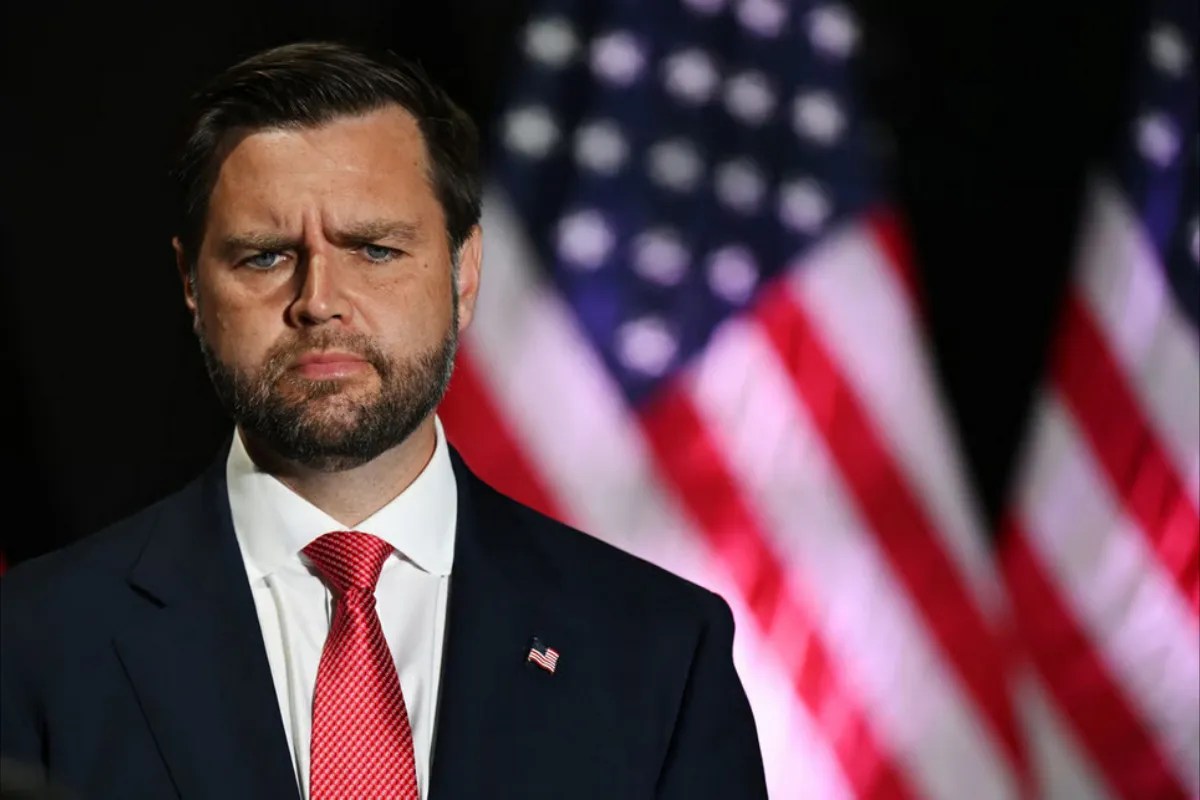
The television glare in a Washington briefing room doesn't just illuminate a politician’s face. It barks. It exposes the fragile tightrope where geopolitical strategy collides head-on with raw, human emotion. For decades, the elite chess players of foreign policy have treated nations like abstract entities on a map. They move billions of dollars in aid, broker backroom deals, and shake hands with regimes that make everyday citizens shudder.
But when those macro-level calculations filter down to the voter base, the math changes. The numbers turn into faces. The strategies transform into questions of betrayal and loyalty.
The Friction of Alliance
Consider the position of a modern political leader navigating the fallout of history. On one hand, a superpower must maintain ties with flawed partners to keep global networks stable. On the other hand, the public remembers every scar.
When American leadership faces intense domestic scrutiny over its stance on nations like Pakistan—long scrutinized for its complex history with global terrorism, including the harboring of Osama bin Laden—the argument is never purely financial. It is cultural. It is personal.
The core of the debate rests on a fundamental disconnect. Foreign policy architects view relationships through the lens of necessity. They see a nuclear-armed state sitting at a critical geographic crossroads. They see intelligence sharing, however flawed. They see a buffer against greater chaos.
The citizen, however, sees something entirely different. They remember the smoke rising from the Pentagon and the collapse of the Twin Towers. They see a nation that pocketed billions in aid while allegedly providing safe haven to the world's most hunted man.
To the voter, continuing this relationship doesn't look like sophisticated diplomacy. It looks like a compromise of core values.
The Quiet Conflict on the Campaign Trail
Step inside a town hall meeting in Ohio or Pennsylvania. The air is thick with the scent of stale coffee and damp winter coats. A worker who spent thirty years in a manufacturing plant doesn't care about the nuances of South Asian regional stability. They care about accountability.
When a figure like Vice President JD Vance navigates these waters, the pressure builds from both sides. To appeal to a populist base, the rhetoric must be fierce. It must demand that American dollars only support absolute allies. The language of America First leaves very little room for the gray areas of traditional statecraft.
Yet, the realities of governance have a habit of softening even the sharpest campaign promises. The moment a leader steps into the Situation Room, the world stops being black and white.
Imagine a hypothetical junior diplomat sitting in an embassy basement in Islamabad. Let's call him David. David doesn't have the luxury of grandstanding on television. His daily reality consists of tense meetings over water rights, counter-terrorism cooperation, and keeping regional communication lines open so a localized skirmish doesn't escalate into a nuclear confrontation.
If the politicians back home cut ties completely to satisfy a domestic crowd, David’s job becomes impossible. The thin thread holding a volatile region together snaps.
This is the hidden cost of public diplomacy. The demands of the voter run completely counter to the requirements of global stability.
The Wealth of Nations and the Price of Peace
This friction isn't unique to one administration or one political party. It is an inherent flaw in the design of modern democracy.
To understand why these alliances persist despite overwhelming public pushback, one must look at the global economic grid. Stability is the ultimate currency. When a major regional player slips into financial collapse or political anarchy, the shockwaves travel fast. They ripple through oil markets, disrupt supply chains, and create power vacuums that are quickly filled by even more dangerous actors.
- Global trade routes rely on predictable state actors to police local shipping lanes.
- Nuclear non-proliferation efforts require direct, ongoing engagement, even with hostile leadership teams.
- Humanitarian crises caused by economic collapse inevitably lead to mass migration waves that strain neighboring continents.
So the aid continues to flow. The diplomatic immunity remains intact. The high-level summits are still scheduled, even as the headlines scream of betrayal.
The true problem lies elsewhere. It is found in the failure of leadership to bridge the gap between global strategy and domestic empathy. Leaders often choose the easy path: they give fiery speeches to appease the crowd, while quietly signing off on the very policies they just condemned.
This creates a profound cynicism within the electorate. Trust erodes. When citizens realize that the moral clarity promised on the campaign trail is systematically traded for geopolitical convenience behind closed doors, they don't just lose faith in the candidate. They lose faith in the system.
The Long Shadow of Abbottabad
The ghost of 2011 still haunts every diplomatic cable sent between Washington and Islamabad. For a generation of Americans, the discovery of bin Laden living comfortably in a military town just miles outside Pakistan's capital was the ultimate confirmation of double-dealing. It was a moment of profound clarity that no amount of diplomatic spin could erase.
Years later, that event remains the ultimate rhetorical weapon. Any politician advocating for continued engagement, trade agreements, or security assistance faces the immediate, devastating counter-question: how can you defend a nation that hid our greatest enemy?
Answering that question requires a level of political honesty that is rare in modern public life. It requires admitting that in the harsh reality of global politics, you often have to deal with the world as it is, not as you wish it to be. It means acknowledging that sometimes, the only thing worse than a problematic ally is a completely isolated, desperate adversary with a nuclear arsenal.
But that explanation doesn't fit neatly onto a bumper sticker. It doesn't win a debate segment on cable news. It offers no emotional satisfaction to a public that wants justice to be simple and absolute.
The tension remains unresolved. The politicians will continue to dance along the edge of the blade, trying to satisfy the righteous anger of the voters while quietly managing the messy, compromised realities of global power. The microphones will stay on, the cameras will keep rolling, and the quiet, uncomfortable truth of international relations will remain hidden in plain sight, buried beneath the noise of the next news cycle.


