Drones aren't just gadgets or support tools anymore. They're the literal backbone of modern survival on the front lines. Today’s announcement that the Netherlands is pumping €248 million (roughly $265 million) into drone production for Ukraine isn't just another aid package. It’s a calculated, strategic move that signals a massive shift in how European powers view the future of warfare.
If you’ve been following the numbers, you know the Netherlands has been a heavy hitter for a while. But this specific investment, announced by Defense Minister Dilan Yeşilgöz-Zegerius at the Ukraine Defense Contact Group, is different. It’s not just about buying off-the-shelf tech and shipping it East. It’s about building a sustainable, joint industrial engine that benefits both Kyiv and The Hague.
Breaking down the 248 million euro package
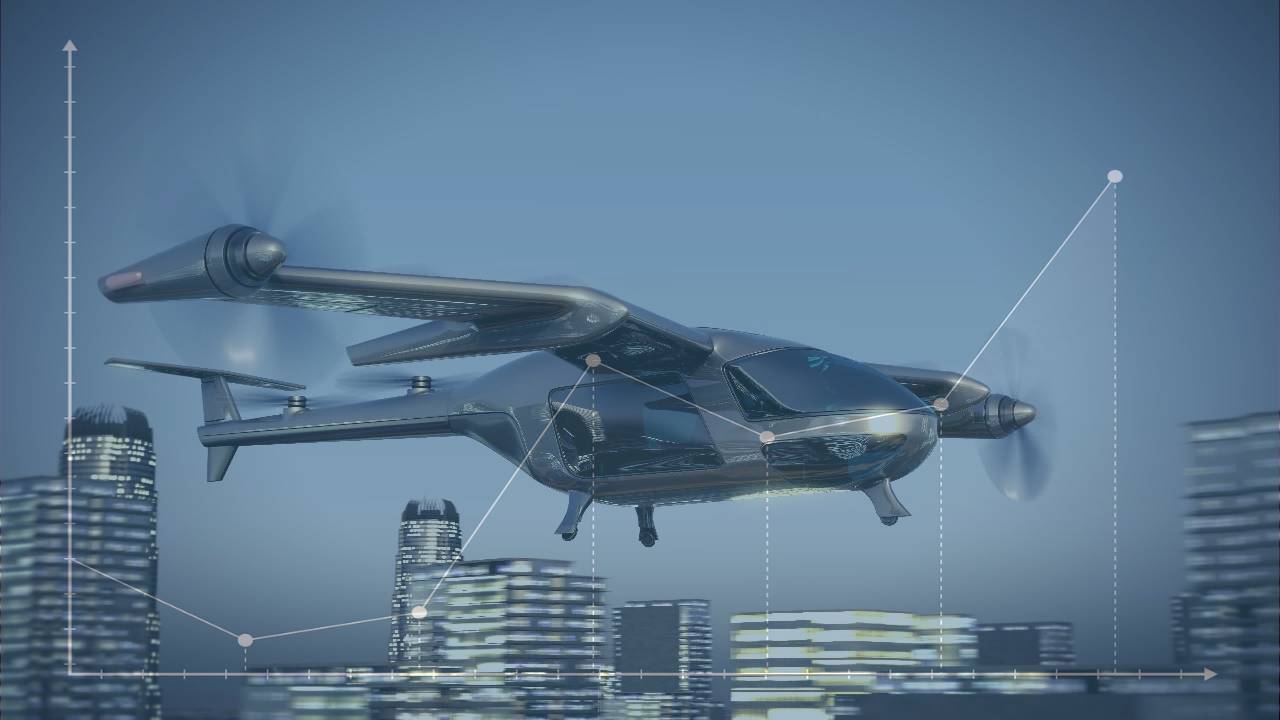
The money isn't disappearing into a black hole of vague "military support." It's targeted. This funding primarily scales up the Drone Line initiative, a project that’s already proven its worth by putting hundreds of thousands of units into the hands of Ukrainian soldiers.
We’re talking about a massive variety of tech:
- FPV (First Person View) Drones: These are the "suicide" drones that have become the primary tank-killers of the war.
- ISR (Intelligence, Surveillance, and Reconnaissance): Eyes in the sky that work 24/7.
- Joint Production: This is the kicker. A significant portion of these drones will be manufactured through partnerships between Dutch and Ukrainian companies.
This "Build with Ukraine" approach is smart. It bypasses the slow, bureaucratic procurement cycles of Western defense giants. Instead, it taps into Ukraine’s rapid battle-tested innovation and marries it with Dutch manufacturing precision.
The win-win for Dutch industry
Let’s be honest: this isn't pure charity. It’s an investment in Dutch sovereignty and economic future. Minister Yeşilgöz-Zegerius was pretty blunt about it: "Close cooperation with Ukraine creates a direct win-win situation for both countries."
By funding these projects, the Dutch are essentially paying for a real-world R&D lab. The lessons learned on the Ukrainian battlefield—how to beat electronic warfare, how to fly in jammed environments, how to maximize battery life—flow directly back to Dutch engineers. While other NATO countries are still arguing about specs in air-conditioned boardrooms, the Dutch are getting data from the mud.
It’s already changing their own military structure. The Royal Netherlands Army is currently recruiting over 1,000 personnel for brand-new drone and counter-drone units. They aren't centralizing these units; they’re embedding them into every single combat formation. They’re the first NATO nation to do this at scale, and they’re doing it because they’ve seen what works in Donbas.
Why the Drone Line matters more than missiles
You might wonder why we’re talking so much about drones when Ukraine needs long-range missiles and F-16s. It’s simple math. In the first two months of 2026, drone crews were responsible for neutralizing one out of every three Russian servicemen on the front.
In some sectors, the casualty rate for advancing forces reached 170 soldiers per square kilometer. That kind of lethality doesn't come from expensive, singular platforms like a multi-million dollar tank. It comes from thousands of €500 drones hitting targets with pinpoint accuracy.
The Dutch realize that the "PURL" (Prioritized Ukraine Requirements List) needs volume. By focusing on the Drone Line, they’re helping Ukraine reach a goal of inflicting up to 50,000 losses per month. It’s a grim reality, but it’s the strategy Ukraine has laid out to force a conclusion to the conflict.
The bigger picture of Dutch leadership
This latest €248 million is just a piece of a much larger puzzle. The Netherlands has already committed to spending over €3 billion in military assistance for the 2027–2029 period. They were the first to jump in on the F-16 program and the first to fund the production of nearly a million FPV drones through earlier initiatives.
While the world’s attention often drifts to the Middle East or domestic politics, the Dutch government is staying focused on the fact that European security is tied directly to the outcome in Ukraine. They aren't just sending "stuff"; they're building an ecosystem.
What happens next
If you're looking for the next steps in this partnership, keep an eye on these three areas:
- Naval Drones: Expect more funding for sea-based systems to keep the Black Sea corridors open.
- AI Integration: The Dutch have already earmarked $352 million for AI in defense. Expect this to show up in "swarming" drone tech soon.
- Local Maintenance: Moving from "shipping drones" to "building factories" inside or near Ukraine to reduce logistical lag.
The era of the "unmanned" battlefield isn't coming—it's here. The Netherlands just happens to be the one writing the check to make sure they're on the winning side of that evolution.
Check the official Dutch Ministry of Defence updates for the next procurement cycle details. If you're a tech developer in the ISR space, now's the time to look at the "Build with Ukraine" initiative for partnership opportunities.