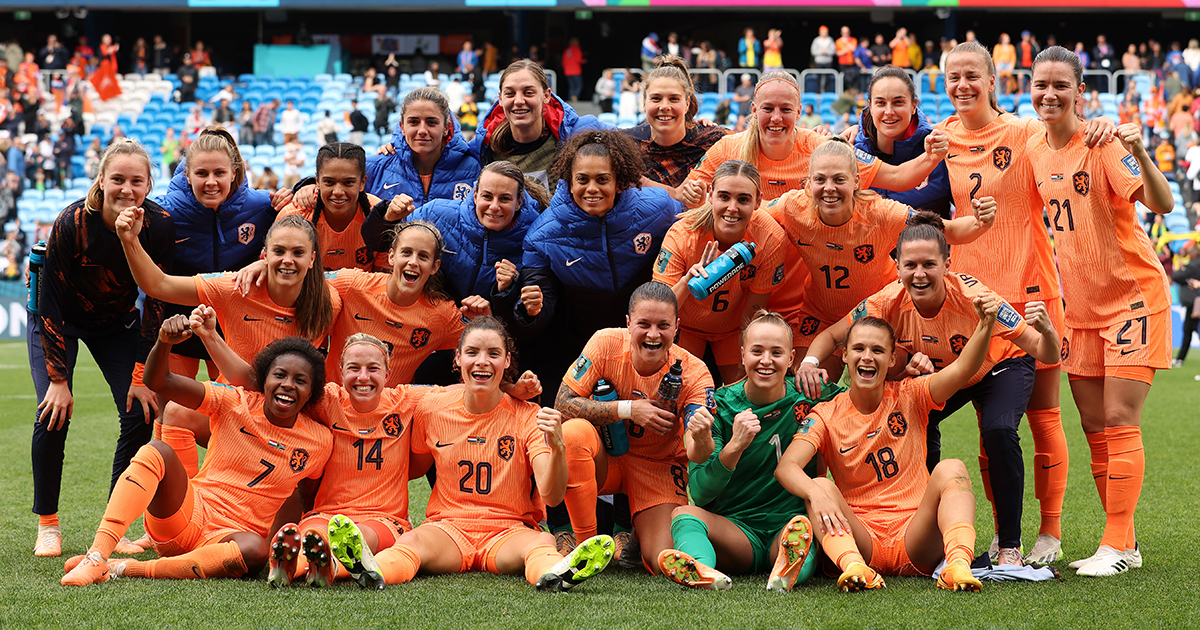
Honestly, if you're looking at the dutch soccer team roster right now, you’re seeing a weird, beautiful mix of "old guard" legends and kids who weren't even born when Ruud van Nistelrooy was terrorizing Premier League defenses. It's an interesting time. Ronald Koeman is back in the hot seat, and the vibe around the KNVB is basically: "Can we finally win the big one?"
The 2026 World Cup in North America is the goal. And the roster being shaped today isn't just about the biggest names. It's about finding out if a guy like Micky van de Ven can actually replace a titan like Virgil van Dijk, or if Xavi Simons is finally ready to be the "main man" rather than just a high-potential talent.
The Backbone: Defenders Who Won't Quit
Most teams struggle to find one world-class center-back. The Netherlands? They have about five. It’s almost unfair. When you look at the dutch soccer team roster, the defensive depth is actually what keeps Koeman up at night—but in a good way.
Virgil van Dijk is still the captain. He's 34 now, which in "soccer years" for a defender is basically being a wise old wizard. He doesn't run as much; he just knows where the ball is going to be before the striker does. Beside him, you've got Nathan Aké, who is basically the Swiss Army knife of Manchester City and Oranje.
Then there's the speed. Micky van de Ven is probably the fastest human being ever to wear a Dutch kit. Watching him track back is like watching a gazelle with a mean streak.
- Virgil van Dijk: The leader. Still the first name on the sheet.
- Nathan Aké: Reliable, versatile, and currently at the peak of his powers.
- Micky van de Ven: The future. His recovery pace is a literal cheat code.
- Matthijs de Ligt: Sometimes he's a brick wall, sometimes he makes a mistake that's hard to explain, but you can't leave him out.
- Lutsharel Geertruida: The guy who can play anywhere in the back four.
The right-back spot is a literal drag race between Denzel Dumfries and Jeremie Frimpong. Dumfries is a powerhouse who somehow scores more goals than some strikers. Frimpong? He’s basically a winger who happens to start in the back. Koeman loves both, which usually means one of them ends up playing further forward.
Midfield Control and the Frenkie Factor
Everything in the Dutch midfield goes through Frenkie de Jong. If he’s fit, the team hums. If he’s out, it sort of feels like a car trying to drive with a clogged fuel line. He’s 28 now. This should be his tournament.
But look at the guys around him. Tijjani Reijnders has become a massive favorite at AC Milan and has brought that "box-to-box" energy to the national team. He’s got this weird ability to arrive in the penalty area at exactly the right time.
And then there's Ryan Gravenberch. After a bit of a quiet spell, he’s found his feet again. He’s tall, technically gifted, and sort of glides across the grass.
The "wildcard" is Quinten Timber. He’s been showing out for Feyenoord and has that grit that the Dutch midfield sometimes lacks. You've also got Joey Veerman and Jerdy Schouten, who are basically there to make sure the ball never gets lost. It’s a very "tidy" midfield. Not a lot of flash, but a whole lot of possession.
Who’s Actually Scoring the Goals?
This is where things get a bit heated among fans. Memphis Depay is the all-time leading scorer. People love to criticize his fashion or his music, but the guy puts the ball in the net for his country. He’s 31 and playing in Brazil for Corinthians now, which some thought would be the end of his international career. Nope. He’s still here.
But the real excitement is Cody Gakpo. Every time he puts on the orange shirt, he looks like a superstar. He was the bright spot in the last few tournaments, and he’s essentially the focal point of the attack now.
The Striker Dilemma
- Memphis Depay: The veteran. He needs one more big tournament to cement his legacy.
- Cody Gakpo: The most dangerous player on the pitch. Whether he’s on the left or in the middle, things happen.
- Wout Weghorst: The "Plan B." If it’s the 80th minute and we need a goal, you throw Wout in there. He’s chaos personified.
- Noa Lang: The "bad boy" of Dutch soccer. He’s got the talent to beat anyone 1-on-1, but you never know which version of him you're getting.
There’s also Brian Brobbey. He’s had some ups and downs at Ajax lately, and Koeman has been a bit tough on his finishing. But physically? Nobody wants to wrestle with him.
The Coaching Staff: A Manchester United Legend Returns
One of the coolest updates to the dutch soccer team roster environment isn't a player—it's an assistant. Ruud van Nistelrooy is joining the staff in February 2026.
Think about that. If you're a young striker like Brian Brobbey or Joshua Zirkzee, having one of the greatest finishers in history telling you where to stand is a massive deal. Ronald Koeman is still the boss, but Ruud adds a layer of "winning mentality" that is honestly priceless.
Koeman’s philosophy has always been a bit pragmatic. He was a defender, after all. But he's also Dutch, so he knows the fans demand "Totaalvoetbal." It’s a balancing act. He’s trying to keep the defense solid while letting Xavi Simons and Gakpo have the freedom to create.
Young Stars to Watch (The "Next Gen")
The Dutch academy system—the Jeugdopleiding—just keeps producing gems. Xavi Simons is technically a "star" already, but at 22, he’s still got another level to hit. His market value is through the roof, and for good reason. He can play as a 10, on the wing, or even as a false 9.
Then you have guys like Jorrel Hato. He’s only 19 and already playing with the poise of a 30-year-old. He’s likely to be the next big defensive export from Ajax.
Keep an eye on Justin Kluivert too. He’s 26, which isn't "young" by soccer standards, but he’s finally finding the consistency at Bournemouth that people expected from him years ago. He brings a directness that the Dutch team often misses when they get too caught up in sideways passing.
Why This Roster is Different This Time
In the past, the Dutch team was known for two things: incredible talent and incredible infighting. The 2026 version feels... calmer?
There isn't one massive ego overshadowing everyone else. Virgil van Dijk is a very "stable" captain. Frenkie is quiet. Gakpo is professional. This team actually seems to like each other. That matters more than people think when you’re stuck in a hotel for six weeks during a World Cup.
The big question mark is the goalkeeper. Bart Verbruggen seems to have secured the #1 spot, and he’s only 23. That’s incredibly young for a keeper. He’s good with his feet, which Koeman loves, but he needs to prove he can handle the pressure of a penalty shootout in a quarter-final.
What to Watch For Next
If you're following the dutch soccer team roster heading into the summer, watch the Nations League and the final qualifiers. That’s where the "bubble players" like Jan Paul van Hecke or Mats Wieffer will have to prove they deserve a seat on the plane to America.
Actionable Insights for Fans:
- Follow the injuries: The Dutch squad's biggest weakness is depth in creative midfield. If Frenkie de Jong or Xavi Simons goes down, the style of play changes completely.
- Watch the fullbacks: Koeman often switches between a back four and a back five. If he starts both Dumfries and Frimpong, expect a very aggressive, attacking game.
- The "Ruud Effect": Look at the striking efficiency. If the forwards start clinical finishing more often, give some credit to Van Nistelrooy’s influence on the training ground.
The Oranje have always been the "best team to never win a World Cup." With this current mix of veteran stability and youthful speed, the 2026 roster might just be the one that finally changes that narrative. Or, at the very least, they’re going to be a lot of fun to watch.